Water Heater Not Producing Enough Hot Water in Fresno
Running out of hot water quickly in Fresno? Discover common causes, sediment fixes, costs, and expert plumbing solutions from Plumber in Fresno.

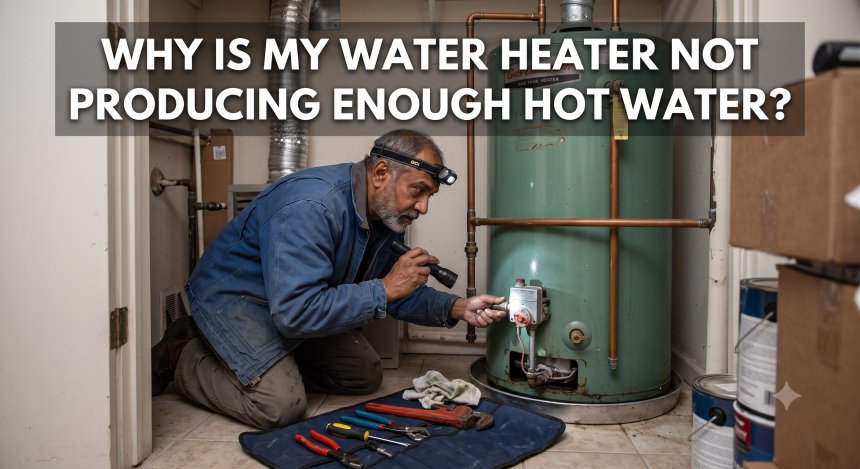
Why Is My Water Heater Not Producing Enough Hot Water in Fresno?
Stepping into what should be a steaming shower only to be met with lukewarm water after three minutes is a frustrating experience for any homeowner. If you find yourself asking, "Why is my water heater not producing enough hot water in Fresno?", you are certainly not alone.
Across Fresno County—from historic properties in the Tower District and Woodward Park to newer developments in Clovis and Sunnyside—lukewarm showers and short-lived hot water are among the most common plumbing service calls we receive.
Water heaters rarely fail without warning. When your unit struggles to maintain the set temperature or runs out of hot water twice as fast as it used to, specific internal components are wearing out or environmental factors like local water quality are taking a toll. Addressing these issues early protects your appliance, lowers your monthly utility bills, and prevents sudden household floods.
What Does "Not Enough Hot Water" Actually Mean?
When a water heater is functioning properly, a standard 40- to 50-gallon tank should provide enough hot water for two consecutive showers or allow you to run the dishwasher while washing a load of laundry.
A system that is underperforming generally presents in one of three ways:
-
Short-Duration Hot Water: The water starts hot at the tap, but turns lukewarm or completely cold within 2 to 5 minutes.
-
Tepid/Lukewarm Maximum Temperature: The water gets warm, but never reaches a comfortable or sanitary hand-washing and bathing temperature (typically 120°F).
-
Extended Recovery Times: After one person showers, the tank takes several hours to reheat instead of the standard 30 to 60 minutes.
Understanding how your water heater produces and delivers hot water helps identify what is going wrong inside the tank or heat exchanger.
Why Is Your Water Heater Underperforming in Fresno?
Several mechanical, environmental, and behavioral factors explain why a water heater stops producing sufficient hot water.
1. Severe Mineral and Sediment Buildup (The Central Valley Factor)
Fresno draws a substantial portion of its municipal water supply from deep underground aquifers. Central Valley groundwater contains elevated levels of dissolved calcium and magnesium.
Over time, as water heats up, these minerals precipitate out of the liquid and settle at the bottom of the tank. This layer of hard scale acts as an insulating barrier between the gas burner (or lower electric element) and the water above it.
-
In gas water heaters, heat cannot penetrate the thick sediment layer, causing the burner to run constantly while barely warming the water.
-
In electric units, sediment buries the lower heating element, causing it to overheat and burn out prematurely.
-
Sediment also displaces volume inside the tank. A 50-gallon tank buried under 15 gallons of hardened scale only holds 35 gallons of usable hot water.
2. Broken or Deteriorated Dip Tube
Cold water enters your water heater through a plastic pipe called a dip tube, which routes incoming cold water straight to the bottom of the tank to be heated.
If the dip tube cracks, breaks, or disintegrates over time, incoming cold water mixes directly with the hot water sitting at the top of the tank. When you open a hot tap, you receive a diluted mix of hot and cold water.
       [ Cold Water In ]          [ Hot Water Out ]
               │                         │
               ▼                         ▲
         ┌─────┼─────────────────────────┼─────┐
         │     │ (Dip Tube)              │     │
         │     │                         │     │
         │     │ Incoming cold water     │     │
         │     │ travels to bottom       │     │
         │     │                         │     │
         │     ▼                         │     │
         │   [=== SEDIMENT LAYER ===]    │     │
         │   (Insulates & reduces tank   │     │
         │    capacity over time)        │     │
         └─────────────────────────────────────┘
3. Burned-Out Electric Heating Elements
Electric water heaters use two separate heating elements: an upper element and a lower element.
-
The upper element provides the initial heating cycle when cold water fills the tank.
-
The lower element maintains the water temperature as hot water is drawn off the top.
When the lower element burns out, the top third of the tank remains hot, but the bottom two-thirds stay cold. This results in water that feels hot for only a couple of minutes before suddenly turning freezing cold.
4. Faulty Thermostats
Water heaters rely on internal thermostats to monitor and regulate water temperature. Electric systems have an upper and a lower thermostat. If a thermostat loses calibration, trips its high-limit reset switch, or fails mechanically, it will shut off the heating elements before the tank reaches 120°F.
5. Undersized System for Household Demand
If your family has grown, you recently installed a high-flow multi-head shower, or you run multiple hot-water appliances simultaneously, your demand may simply exceed the First Hour Rating (FHR) of your water heater.
6. Aging Equipment
The standard lifespan of a traditional tank water heater is 8 to 12 years. As internal components corrode and heat exchangers lose efficiency, older units struggle to maintain consistent temperatures.
Critical Warning Signs You Should Never Ignore
A decline in hot water capacity is frequently accompanied by other symptoms. Recognizing these warning signs early helps you avoid unexpected system failure or water damage.
| Warning Sign | What It Indicates | Risk Level |
| Popping, Rumbles, or Sizzling Sounds | Water trapped beneath dense sediment scale is boiling violently. | Moderate – Accelerates tank bottom wear |
| Discolored or Rusty Water | Sacrificial anode rod has depleted; the steel tank interior is corroding. | High – Tank failure imminent |
| Moisture Around the Base | Fitting leak, temperature & pressure (T&P) valve discharge, or internal tank fracture. | Critical – Risk of structural flooding |
| Foul "Rotten Egg" Odor | Bacterial reaction with the magnesium anode rod inside the tank. | Low to Moderate – Water quality issue |
| Spike in Electric or Gas Bills | System is running continuously to overcome heavy scale buildup. | Moderate – Financial waste |
| Low Hot Water Pressure (Cold is Fine) | Severe mineral scale restriction inside output nipples or hot water lines. | Moderate – Restricts delivery |
Step-by-Step Professional Diagnostic and Repair Process
When you schedule a professional service call with a licensed technician from Plumber in Fresno, here is the structured protocol used to restore your hot water safely:
[1. Safety Isolation] ──► [2. Diagnostic Testing] ──► [3. Transparent Estimate]
                                                              │
                                                              ▼
[6. Maintenance Advice] ◄── [5. Quality Testing] ◄── [4. Precision Repair]
-
Safety Isolation: The technician shuts off the dedicated electrical breaker or sets the gas control valve to "Pilot" and isolates the cold water shutoff valve.
-
Diagnostic Testing:
-
Electrical: Multimeter checks measure voltage, resistance (ohms), and continuity across upper/lower thermostats and heating elements.
-
Gas: Visual inspection of the burner assembly, thermocouple/thermopile voltage output, gas supply pressure, and exhaust draft.
-
Hydraulic: Testing static incoming pressure and checking the Temperature and Pressure (T&P) relief valve.
-
-
Transparent Estimate: The technician reviews the exact failure point, explains repair versus replacement feasibility, and provides an upfront, written quote.
-
Precision Repair: Worn components (elements, thermostats, dip tubes, gas control valves, or anode rods) are replaced using commercial-grade parts. If sediment is the primary culprit, a powered chemical or mechanical flush clears the tank basin.
-
System Recommissioning & Quality Testing: The tank is refilled, bled of air pockets, and brought back up to operating temperature while checking for electrical shorts, gas leaks, or fitting drips.
-
Preventative Maintenance Advice: The technician reviews anode condition, tests your expansion tank, and recommends a maintenance interval tailored to your neighborhood's water hardness.
Safe DIY Checks vs. When to Call a Pro
Before calling a professional, there are a few basic, safe troubleshooting steps you can perform yourself:
What Homeowners Can Safely Check
-
Check the Thermostat Setting: Ensure the dial on your gas control valve or behind the access panels on your electric tank is set to 120°F (or "Normal"). Avoid setting it above 125°F to prevent accidental scalding.
-
Inspect the Circuit Breaker: Electric water heaters pull dedicated 240V power on a double-pole breaker. If one pole trips, the unit may receive partial power and produce only lukewarm water. Reset the breaker fully if tripped.
-
Check the Gas Pilot Light: For older standing-pilot gas water heaters, look through the sight glass at the base of the unit to ensure the small blue pilot flame is lit. If out, follow the manufacturer relighting instructions on the tank jacket.
-
Look for Plumbing Cross-Connections: A bad cartridge inside a single-handle shower valve can allow cold water to bypass into the hot water lines throughout the home. Check if the issue occurs at all faucets or only one shower.
When DIY Becomes Dangerous
-
Never attempt to service high-voltage (240V) internal wiring without proper electrical isolation equipment.
-
Never adjust, cap off, or modify a leaking Temperature and Pressure (T&P) relief valve. Doing so can turn a water heater into an unregulated pressure vessel.
-
Never service gas valves, burner orifices, or vent flues without calibrated combustion and gas leak detection instruments.
Specialized Tools Used by Licensed Plumbers
Professional plumbers rely on specialized trade tools to diagnose water heaters accurately without guessing:
-
Digital Multimeters: Used to measure exact resistance across electric elements (a healthy 4500W element reads between 12 and 13 ohms).
-
Thermal Imaging Cameras: Identify cold zones, dip tube bypasses, and exact sediment levels through the exterior steel jacket.
-
Flue Gas Combustion Analyzers: Measure carbon monoxide output, draft levels, and burner efficiency on gas installations.
-
Gas Sniffers & Manometers: Detect minor natural gas leaks and measure incoming manifold fuel pressure in inches of water column (W.C.).
-
Heavy-Duty Powered Flush Pumps: Circulate descaling solutions through tankless heat exchangers or clear heavy sediment crusts from tank bottoms.
Repair Timelines and Cost Factors
How Long Does a Water Heater Repair Take?
-
Diagnostic Inspection: 30 to 45 minutes.
-
Heating Element / Thermostat Replacement: 1 to 2 hours (including draining and refilling).
-
Dip Tube Replacement: 1 to 2 hours.
-
Complete Tank Sediment Flush: 1 to 1.5 hours.
-
Full Water Heater Replacement: 3 to 5 hours for a standard tank; 6 to 8 hours for a complex tankless conversion.
Understanding Cost Factors
Plumbing repair costs vary depending on the severity of the problem, accessibility, materials required, emergency service, property type, and local labor rates.
Key variables affecting your overall investment include:
-
System Type: Gas vs. electric, atmospheric vent vs. power vent, traditional tank vs. on-demand tankless.
-
Component Complexity: Replacing an electric heating element requires fewer specialty parts than replacing an electronic gas control valve.
-
Accessibility: Units located in accessible garages or ground-floor closets require less labor than units installed in tight attic spaces, mobile homes, or crawlspaces.
-
Code Upgrades: If an older unit must be replaced, current California and Fresno plumbing codes may require thermal expansion tanks, seismic earthquake strapping, drip pans routed to daylight, and sediment traps on gas lines.
Hidden Plumbing Realities Every Homeowner Should Know
-
Small Leaks Create Big Structural Damage: A slow drip from a tank fitting or T&P drain line can rot floor joists and cause toxic mold growth long before it is noticed.
-
Hard Water Degrades Efficiency Rapidly: Even 1/8 inch of mineral scale beneath your water heater's tank bottom can increase the energy needed to heat water by up to 25%.
-
The Anode Rod Is a Sacrificial Component: Water heaters contain a magnesium or aluminum rod designed to corrode away so the steel tank doesn't. Once this rod is fully depleted (usually within 3 to 5 years), the tank itself begins corroding.
-
Insurance Companies Often Deny Neglect Claims: If a 15-year-old water heater ruptures and floods your home, standard homeowner insurance policies may deny the water damage claim if routine maintenance was neglected.
-
Temporary Quick Fixes Can Mask Catastrophic Weaknesses: Cranking your thermostat up to 140°F to squeeze out more hot water accelerates mineral scaling, increases scalding hazards, and hastens structural tank fatigue.
15 Common Mistakes Homeowners Make
-
Ignoring Early Rumbling Noises: Assuming tank pops are normal sounds rather than damaging sediment buildup.
-
Setting the Temperature Too High: Increasing the thermostat past 125°F, creating a severe scalding risk for children and seniors.
-
Skipping Annual Tank Flushes: Allowing Central Valley minerals to harden into an impenetrable solid rock layer.
-
Never Inspecting the Sacrificial Anode Rod: Forgetting to replace the $50 component that prevents a $2,000 tank rupture.
-
Hiring Unlicensed Handymen: Risking improper flue venting (carbon monoxide hazards) or unstrapped units during seismic events.
-
Blocking the Water Heater Closet: Storing paint, chemicals, boxes, or laundry right against gas burners, restricting combustion air.
-
Ignoring Damp Drywall or Subflooring: Dismissing small puddles around the base until the bottom completely blows out.
-
Using Chemical Drain Cleaners Near Plumbing Outlets: Pouring caustic chemicals down drains connected to shared utility systems.
-
Never Testing the T&P Safety Valve: Neglecting to manually lift the test lever once a year to ensure the safety release has not seized shut.
-
DIY Gas Line Adjustments: Modifying gas flex lines without pipe thread sealant rated for fuel gases.
-
Over-Tightening Dielectric Unions and Fittings: Cracking internal tank linings by applying excessive torque with pipe wrenches.
-
Neglecting Expansion Tanks: Ignoring a failed expansion tank bladder, which leads to chronic high-pressure spikes that damage all fixtures.
-
Waiting for Total System Failure: Delaying replacement on a 12-year-old rusty unit until it bursts on a holiday weekend.
-
Using the Wrong Pipe Materials: Connecting galvanized pipe directly to copper without dielectric isolation, causing rapid galvanic corrosion.
-
Overlooking Single-Handle Shower Faucet Cartridges: Blaming the water heater for lukewarm water when a worn shower mixing valve is crossing cold water into hot lines.
15 Practical Water Heater Maintenance Tips
-
Flush your water heater tank fully once every 12 months to clear sediment.
-
Test the Temperature and Pressure (T&P) relief valve annually by lifting the trip lever briefly.
-
Keep the thermostat set to a safe, energy-efficient 120°F.
-
Check the condition of the sacrificial anode rod every 3 years (replace if down to the bare steel wire core).
-
Insulate exposed hot water supply lines in unconditioned garages to minimize heat loss during cooler winter months.
-
Maintain at least 18 inches of clear space around the perimeter of gas water heaters for proper airflow.
-
Periodically vacuum dust and lint away from the bottom flame arrestor screen on gas units.
-
Install a whole-home water softener or whole-house scale inhibitor to protect all plumbing fixtures from hard water.
-
Install a dedicated thermal expansion tank to absorb water expansion during heating cycles.
-
Ensure your water heater is securely secured with two code-compliant seismic straps anchored directly into wall studs.
-
Place an automatic water shutoff sensor and catch pan under your water heater to cut supply lines if a leak begins.
-
If you leave your home for more than a week, switch the gas control valve to "Vacation" mode to save energy.
-
Replace standard plastic drain valves with full-port brass drain valves for easier and faster sediment flushing.
-
Inspect the exterior draft hood and exhaust chimney piping for rust, disconnects, or backdrafting.
-
Schedule a professional multi-point plumbing inspection with Plumber in Fresno once every two years.
When Should You Call an Emergency Plumber?
Not every water heater issue requires immediate dispatch, but certain scenarios demand rapid intervention:
-
Active Flooding or Continuous Spraying: Water pooling rapidly around the base of the tank that cannot be stopped with the isolation valve.
-
Smell of Natural Gas: A distinct rotten-egg odor near the water heater unit (evacuate immediately and call your utility company and an emergency plumber).
-
High-Pitched Screaming / Whistling Sounds: The tank is severely over-pressurized, and the safety valve is failing to vent.
-
Scorching, Charring, or Smoke: Visible soot or heat marks around the lower burner access opening or along the draft hood.
-
Complete Loss of Water to the Property: An internal component failure or ruptured main line cutting off clean water access.
Frequently Asked Questions
Why is my water heater running out of hot water so fast?
The most frequent causes are a heavy layer of mineral sediment in the bottom of the tank, a broken dip tube diluting hot water with cold supply water, or a failed lower heating element in electric models.
How do I know if my water heater dip tube is broken?
If you have hot water that turns cold within 2 to 3 minutes, or if you notice small pieces of white or yellowish plastic clogging your faucet aerators and showerheads, your dip tube has likely disintegrated.
Can Fresno’s hard water ruin my water heater?
Yes. Fresno’s hard groundwater leaves calcium and magnesium scale on heating elements and tank floors. Without regular maintenance, this scale shortens the unit's lifespan, causes overheating, and reduces hot water capacity by up to 40%.
How long should a residential water heater last?
Traditional tank-style water heaters generally last 8 to 12 years. Tankless (on-demand) water heaters typically last 15 to 20+ years when properly descaled and maintained annually.
Is it better to repair or replace my water heater?
If your water heater is under 8 years old and the repair cost is less than half the price of a replacement, repairing it makes sense. If the unit is over 10 years old, has an actively leaking tank body, or requires repeated repairs, replacement is the more cost-effective choice.
Why does my water heater make popping or knocking sounds?
This sound is caused by steam bubbles forcing their way up through a dense bed of mineral sediment at the bottom of the tank. It is a clear sign that your water heater needs a thorough professional flush.
What temperature should my water heater thermostat be set to?
The EPA and major plumbing manufacturers recommend 120°F. This provides ample heat for domestic cleaning and bathing while preventing scalding injuries and minimizing mineral scaling rates.
Why is my shower only warm while the sink gets hot?
This is usually caused by a worn pressure-balancing cartridge inside that specific shower valve rather than a water heater failure. The cartridge is allowing excess cold water to mix with the hot water supply.
How often should I flush my water heater in Fresno?
Because of local water hardness levels, water heaters in the Fresno and Clovis area should be flushed at least once a year, and every 6 months for homes without a water softener.
Can a faulty water heater increase my energy bills?
Yes. When heating elements or tank bottoms are coated in hard scale, the appliance must burn significantly more gas or draw more electricity for longer periods to heat the same volume of water.