Emergency Toilet Supply Line Snapping: What to Do
Learn how to handle a snapped toilet supply line in Fresno. Discover immediate emergency shutoff steps, water damage control, and when to call a plumber.

When a Toilet Supply Line Fails Unexpectedly
When a toilet supply line snaps, water under household pressure can discharge at a rate of several gallons per minute, quickly flooding a bathroom and potentially seeping into subfloors, baseboards, and adjoining rooms. Whether it is a braided stainless steel line, a flexible plastic tube, or an older copper connector that suddenly gives way, immediate action is required to minimize property damage.
Understanding where your water shutoff controls are located and how to operate them safely before an emergency occurs can prevent thousands of dollars in water damage to your Fresno home, whether you live in a historic Fig Garden property with older plumbing or a newer construction build in Woodward Park.
Immediate Emergency Shutoff Steps
When a supply line ruptures, every second counts. Do not waste time trying to grab towels or figure out why the hose broke while water is actively spraying or gushing onto the floor.
- Locate the Toilet Shutoff Valve: Look directly behind the base of the toilet against the wall or floor. Turn the small oval or multi-turn handle clockwise as far as it will go. If the valve is functioning properly, this will halt the water flow instantly.
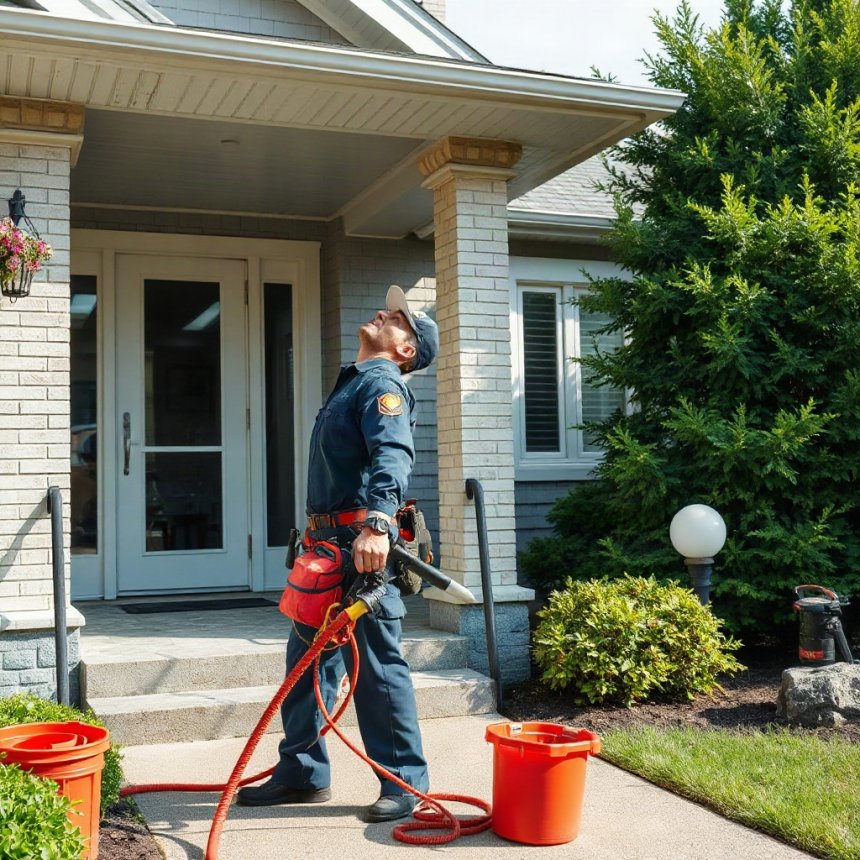
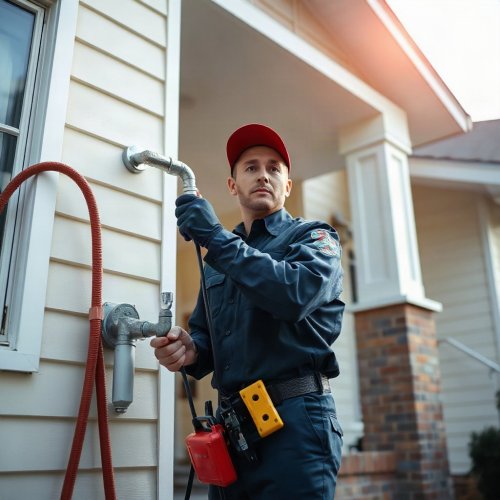
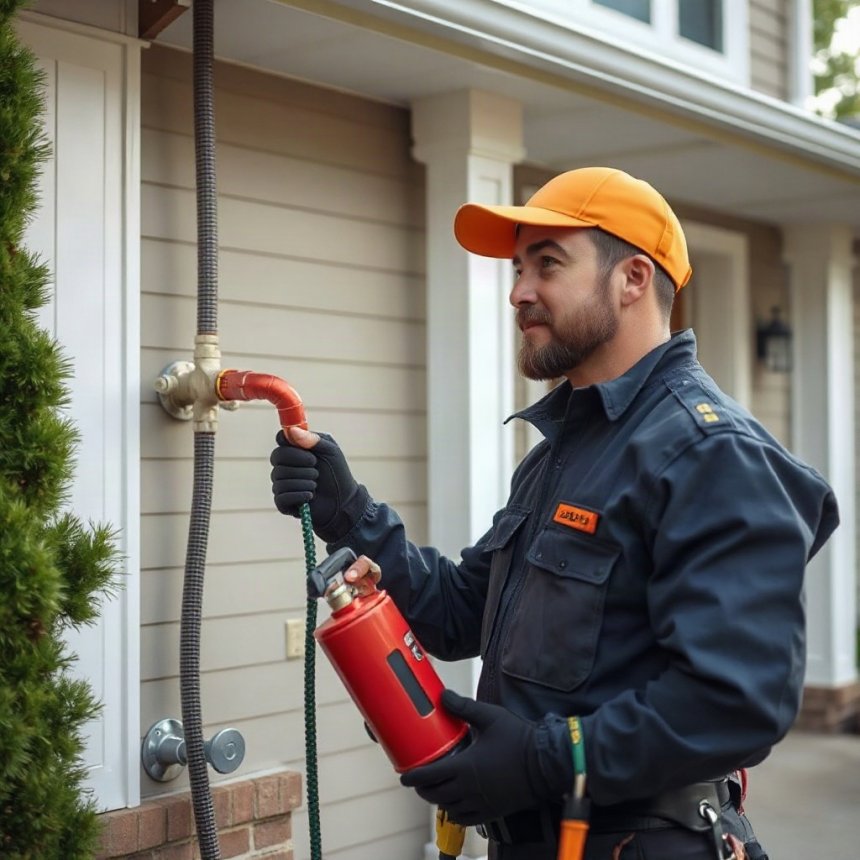
- Use the Main Water Shutoff if Necessary: If the local toilet valve is stripped, stuck, completely rusted open, or if the connection broke right at the valve body itself, turning the individual valve will be impossible. In this scenario, you must shut off the water to the entire house immediately. In many Fresno residences, the main water shutoff is located near the front perimeter of the property inside an underground utility box (often near the sidewalk or property line) or where the main water line enters the garage or exterior wall.
- Protect Electrical Safety: Water and electricity are a dangerous combination. If water is pooling around bathroom floor outlets, baseboard heaters, or power cords, do not step into standing water or touch electrical devices until the power source has been safely disconnected at the main breaker panel if it is safe to do so.
- Drain the Remaining Water: Once the supply is stopped, flush the toilet to drain the remaining water out of the tank and bowl, then use towels or a wet-dry shop vacuum to clear standing water off the floor before structural absorption begins.
Assessing the Damage and Identifying the Cause
Once the water is safely turned off, you can inspect the failure point to determine what went wrong and what parts require replacement. Supply lines typically fail due to age, material fatigue, excessive water pressure, or physical damage from items stored in bathroom cabinets.
Braided Steel Lines: While generally durable, the inner rubber tubing can degrade over time, or the metal crimp fittings at the ends can snap due to corrosion or twisting stress during installation.
Plastic or Vinyl Tubing: Older flexible plastic lines become brittle with age and chemical exposure from household cleaning agents stored nearby, making them prone to sudden splitting.
Rigid Copper Connectors: Rigid lines can crack if the toilet shifts slightly or if the home experiences pressure surges.
If the shutoff valve itself broke off or stripped out during the emergency shutdown, the entire valve assembly will need to be replaced along with the supply line.
Fresno Water Conditions and Material Wear
While Fresno's municipal water supply is strictly monitored, mineral content can vary across different neighborhoods. Over years of exposure, mineral accumulation can stiffen rubber gaskets inside supply valves and connectors, reducing their flexibility and increasing vulnerability to sudden pressure spikes, commonly known as water hammer. Inspecting flexible connectors every few years and replacing them proactively before they reach the end of their operational lifespan is an effective preventive measure.
Frequently Asked Questions
Can I reuse a stainless steel supply line after turning the water back on?
No. Once a supply line has snapped, stretched, or experienced a major internal failure, it must be replaced. Reusing a compromised hose invites a repeat rupture.
What should I do if the toilet shutoff valve won't turn?
Do not force an old, stuck valve with excessive leverage, as this can snap the supply pipe inside the wall or floor, creating a catastrophic flood. If the local valve is stuck, shut off the main water supply to the home immediately.
How tight should a new toilet supply line be installed?
Connections should be hand-tightened and then snugged gently with a wrench—usually about a quarter-turn past hand-tight. Over-tightening can crush the rubber washer inside the coupling nut, leading to a slow, hidden leak.
Is it normal for a supply line to make a banging noise before failing?
Banging or vibrating pipes, known as water hammer, indicate high pressure or unsecured pipes. Over time, this constant shock can fatigue supply lines and fittings, increasing the risk of an unexpected rupture.
When should I call a professional plumber for a broken supply line?
You should call a qualified professional if the shutoff valve attached to the wall or floor is broken, if the pipe leading up to the valve is damaged, or if water has leaked into structural framing, subfloors, or electrical systems.