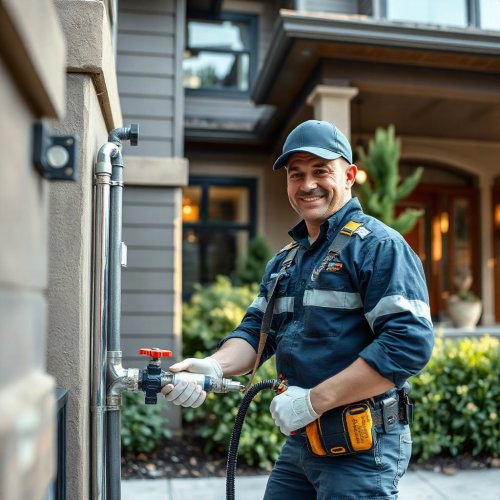
Drain Cleaning Plumber in Fresno, CA: Complete Homeowner & Commercial Pipe Clearing Guide
A slow-draining sink or a bubbling toilet might seem like a minor annoyance, but drainage troubles rarely stay small. When wastewater stops moving freely through your plumbing system, everyday routines come to an abrupt halt. Property owners across the Central Valley regularly deal with everything from minor kitchen blockages to severe sewer main obstructions caused by invasive tree roots and hard water sediment.
When you need a reliable Drain Cleaning Plumber in Fresno, CA, understanding how your plumbing system works—and what causes it to fail—helps you make informed decisions before costly property damage occurs. For prompt, honest, and professional drain support across Fresno County, reach out to the dedicated team at Plumber in Fresno by visiting

What Is Professional Drain Cleaning?
Professional drain cleaning is the specialized process of diagnosing, clearing, and restoring proper wastewater flow through indoor and outdoor pipe networks using mechanical, motorized, and hydro-dynamic equipment.
Unlike simply running hot water or pouring retail solvents into a fixture, a professional drain cleaning plumber in Fresno, CA targets the actual obstruction while cleaning the internal diameter of the pipe.
Common Situations That Require Drain Service
-
Single Fixture Backups: Water pooling around ankles in the shower or standing water in a kitchen sink basin.
-
Secondary Fixture Gurgling: Running the washing machine causes the adjacent laundry sink or toilet to bubble and gurgle.
-
Mainline Blockages: Wastewater backing up into bathtubs or shower pans whenever any toilet is flushed on the property.
-
Outdoor Cleanout Overflow: Sewage or wastewater escaping from the ground cleanout cap in your front yard or driveway.
Why Do Drains Clog in Fresno Homes and Businesses?
Drain clogs develop through a combination of daily usage habits, regional environmental factors, and pipe aging.
+---------------------+      +---------------------+      +---------------------+
|   Daily Buildup     |  ->  | Fresno Hard Water   |  ->  | Invasive Tree Roots |
| Fats, Hair, Soap    |      | Mineral Calcification|     | Fractured Pipe Walls |
+---------------------+      +---------------------+      +---------------------+
                                        |
                                        v
                       +---------------------------------+
                       | Severe Drain & Sewer Main Clogs |
                       +---------------------------------+
1. Hard Water & Mineral Calcification
Fresno’s municipal and well water supplies carry elevated levels of dissolved minerals, specifically calcium and magnesium. Over decades, these minerals settle along the inner lining of drainpipes, creating a rough, chalky scale that acts like sandpaper, snagging hair, lint, and food debris.
2. Invasive Tree Roots
In the semi-arid climate of the San Joaquin Valley, thirsty root systems of mature trees (such as eucalyptus, mulberry, and oak) seek out moisture and nutrients. They enter tiny cracks or joint imperfections in clay, cast iron, or old PVC lines, expanding into massive root balls that completely plug sewer lines.
3. Grease and Fat Solidification (FOG)
Cooking oils, butter, and animal fats poured down kitchen sinks enter the drain as liquids but congeal into a waxy, sticky mass as they cool. This sticky layer catches coffee grounds, vegetable fibers, and dish soap residue.
4. Cast Iron Pipe Corrosion & Scaling
Many established neighborhoods throughout Central Fresno, the Tower District, and Fig Garden feature original cast iron drain lines. Over time, internal oxidation creates "scale" and flakes that catch toilet paper and waste solids.
5. Foreign Objects and "Flushable" Wipes
Wipes advertised as "flushable" do not break down like standard toilet paper. They remain intact within municipal lines, binding with fats to form dense obstructions.
Signs of a Clogged Drain You Should Never Ignore
-
Slow Draining Fixtures: Water takes minutes to drain from sinks, tubs, or laundry trays.
-
Foul Sewage Odors: Rotten egg or sour organic smells emerging from drain openings indicate trapped debris decaying inside the trap or a dry vent stack.
-
Gurgling and Bubbling Sounds: Trapped air bubbles escaping through the water seal indicate restricted airflow and improper venting.
-
Water Backing Up into Alternate Fixtures: Water appearing in a shower pan when a nearby toilet is flushed signals a main branch obstruction.
-
Mysterious Soggy Patches in the Yard: Unexplained wet spots or unusually lush patches of grass above your sewer lateral suggest an underground line fracture or root choke point.
-
Fruit Flies and Drain Gnats: Pests breeding in stagnant grease layers inside uncleaned waste lines.
Common Plumbing Problems Related to Drain Blockages
Ignoring a simple clog often leads to secondary system failures throughout your property:
| Associated Problem | Underlying Cause | Consequence |
| P-Trap Deterioration | Harsh chemical interaction or standing acidic sludge | Leaks inside sink base cabinets |
| Sewer Line Backups | Main sewer line blockages from roots or scale | Hazardous biological waste inside living spaces |
| Structural Slab Leaks | Chronic backpressure on older, degraded branch pipes | Moisture migration through concrete foundations |
| Water Damage to Subfloors | Overflowing toilets and unvented slow drains | Dry rot, warped hardwood, and drywall moisture |
| Mold & Mildew Growth | Undetected moisture pooling in crawlspaces or walls | Compromised indoor air quality |
Step-by-Step Professional Repair Process
When an experienced drain cleaning plumber in Fresno, CA visits your property, the process follows a rigorous protocol to ensure long-term reliability:
[1. HD Camera Inspection]
          ↓
[2. Precise Problem Diagnosis]
          ↓
[3. Transparent, Upfront Estimate]
          ↓
[4. Mechanical Snaking or Hydro Jetting]
          ↓
[5. Camera Re-Inspection & Flow Verification]
          ↓
[6. Workspace Cleanup & Preventative Guidance]
-
High-Definition Video Camera Inspection: A specialized, waterproof camera is fed through the pipe to pinpoint the exact location, depth, and nature of the blockage.
-
Diagnosis & Method Selection: The technician determines whether mechanical cabling, root-cutting blades, or high-pressure hydro jetting is the safest solution for the pipe material.
-
Upfront Estimate: A transparent scope of work is presented before any physical clearing begins.
-
Targeted Drain Clearing: High-torque rooter machines or hydro jetters scour the internal walls, breaking up clogs, cutting out roots, and flushing away calcified grease.
-
Flow Testing and Verification: The line is camera-inspected a second time and stress-tested under full water volume to confirm unobstructed flow.
-
Sanitary Workspace Cleanup: The workspace is thoroughly cleaned and sanitized.
-
Maintenance & Prevention Advice: Practical recommendations tailored to your home's layout and tree proximity are provided to prevent repeat clogs.
Can You Fix It Yourself? (Safe DIY vs. Professional Intervention)
Safe DIY Techniques for Homeowners
-
Standard Cup Plunger: Effective for sink basins and shower pans. Ensure a tight seal over the drain opening and block overflow vents with a damp cloth to maximize suction.
-
Flange Plunger: Designed specifically with an extended rubber sleeve to clear straightforward toilet bowl blockages.
-
Manual Wire Hair Snare: Inexpensive plastic or wire hooks (18–24 inches long) safely pull hair and soap scum out of bathroom pop-up stoppers and tub traps.
-
Baking Soda & White Vinegar: A non-corrosive mixture (1 cup baking soda followed by 1 cup distilled white vinegar) creates foaming effervescence to loosen light organic film. Flush with hot tap water after 15 minutes.
When DIY Becomes Dangerous
-
Chemical Liquid Drain Cleaners: Caustic lye and sulfuric acid generate heat that softens PVC joints, corrodes aging cast iron, cracks ceramic toilet bowls, and creates chemical splash hazards for plumbers.
-
Over-Forcing Hand Snakes: Cheap hardware-store hand augers can puncture brittle cast iron pipes, scratch toilet porcelain, or become permanently wedged inside intricate bends.
-
Disassembling Trap Assemblies Without Proper Tools: Stripping slip-joint nuts or cross-threading thin brass tubes often turns a simple clog into an active cabinet leak.
Professional Drain Cleaning Equipment
+-------------------------------------------------------------------------+
|                    PROFESSIONAL DRAIN TOOLKIT                          |
+------------------------------------+------------------------------------+
| High-Definition Sewer Cameras      | High-Pressure Hydro Jetting Rigs   |
| Real-time footage of root breaches | 3,000-4,000 PSI hot/cold scour     |
+------------------------------------+------------------------------------+
| Motorized Rooter Cable Machines    | Digital Pipe Locators & Sondes     |
| Heavy-duty blades cut tree roots   | Pinpoints subterranean line depth  |
+------------------------------------+------------------------------------+
-
High-Definition Sewer Inspection Cameras: Self-leveling color cameras equipped with distance counters reveal offset joints, belly sags, scale buildup, and tree root intrusions.
-
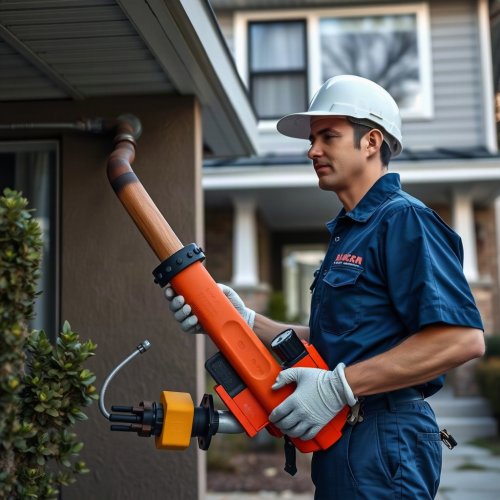
Commercial Hydro Jetting Rigs: Industrial equipment that pressurizes water up to 3,000–4,000 PSI through specialized nozzles, cutting through roots and stripping grease, mineral scale, and sludge from pipe walls.
-
Motorized Cable Augers (Rooter Machines): Heavy-duty dual-directional cables equipped with C-cutters, spade heads, and side-cutting blades to slice through solid blockages.
-
Electromagnetic Pipe Locators: Sonde transmitters inside camera heads send wireless signals through soil or concrete, allowing technicians to mark the exact depth and location of subterranean pipe damage.
Estimated Repair Timelines
The time required to clean a drain depends directly on accessibility, pipe condition, and the nature of the blockage:
-
Simple Sink or Shower Clog: 45 to 90 minutes.
-
Mainline Root Clearing via Cleanout: 1.5 to 3 hours.
-
Comprehensive Whole-House Hydro Jetting: 2 to 4 hours.
-
Complex Underground Repair or Trenchless Relining: 1 to 2 days.
What Determines the Cost of Drain Cleaning?
Plumbing repair costs vary depending on the severity of the problem, accessibility, materials required, emergency service, property type, and local labor rates.
Key variables affecting final costs include:
-
Location of the Blockage: Fixture traps are faster to access than underground sewer lines buried beneath slabs or landscaping.
-
Existence of an Accessible Cleanout: Homes lacking an exterior ground cleanout may require pulling a toilet or climbing onto the roof to access vent stacks, adding labor time.
-
Method of Clearing: Standard mechanical cabling differs in labor and equipment demands compared to heavy-duty hydro jetting or structural trenchless pipelining.
-
Pipe Condition: Brittle, corroded cast iron requires careful, low-impact clearing to prevent structural collapse.
-
Time of Service: Emergency visits requested late at night, on weekends, or during major holidays involve after-hours rates.
Hidden Plumbing Realities Every Property Owner Should Know
-
Small Slow Drains Become Expensive Emergencies: A drain that empties slowly is telling you it is 80% obstructed. Ignoring it leads to sudden backups during high-usage moments like family gatherings.
-
Chemical Cleaners Create Pipe Brittleness: Over-the-counter chemical cleaners sit inside stagnant water traps, generating exothermic reactions that weaken PVC joints and degrade metal pipes.
-
Insurance Rarely Covers Deferred Maintenance: Standard homeowner insurance policies generally exclude damage caused by ongoing, unaddressed drain leaks, sewer backups without an endorsement rider, or long-term root damage.
-
Tree Roots Return Without Structural Line Sealing: Cutting tree roots with a mechanical snake clears water flow temporarily, but roots will regrow through the open pipe fracture within 6 to 18 months unless sealed or replaced.
-
Hard Water Quietly Narrows Pipe Capacity: Fresno's mineral-rich water slowly reduces the internal diameter of drain pipes, making them prone to recurring clogs.
15 Common Drain Mistakes to Avoid
-
Treating Kitchen Drains Like Trash Cans: Disposing of fibrous items (celery, potato peels, corn husks) down the garbage disposal.
-
Flushing Wet Wipes: Even "flushable" wipes do not disintegrate rapidly and bind together inside sewer laterals.
-
Pouring Warm Cooking Grease Down Sinks: Fats solidify upon contact with cold subterranean pipes.
-
Using Chemical Drain Openers: Acidic and caustic solvents degrade plumbing pipes and fixtures.
-
Ignoring Gurgling Sounds: Dismissing bubbling fixture noises before a total backup occurs.
-
Operating Heavy Appliances During a Backup: Running washing machines or dishwashers when branch drains are sluggish causes immediate overflows.
-
Flushing Feminine Hygiene Products and Cotton Swabs: Synthetic fibers expand in water and do not dissolve.
-
Neglecting Exterior Cleanouts: Allowing grass and soil to cover your yard sewer cleanout caps makes emergency access difficult.
-
Installing Mismatched DIY Fittings: Using unapproved adapters or improper slope pitch when replacing sink traps.
-
Using Excessive Toilet Paper: Flushing massive amounts of ultra-thick, quilted toilet paper in low-flow toilets.
-
Relying on Hand Augers Without Training: Scratching porcelain bowls or damaging thin-wall tubular brass.
-
Planting Water-Hungry Trees Over Sewer Lines: Planting willow, eucalyptus, or ficus near your sewer lateral.
-
Skipping Routine Inspections: Never having older cast iron or clay sewer lines camera-inspected.
-
Hiring Unlicensed Handymen for Complex Clogs: Risking uninsured property damage or cracked underground pipes.
-
Delaying Service Due to Inconvenience: Waiting until biological sewage damages subflooring and drywall.
Practical Preventative Maintenance Tips
+-------------------------------------------------------------------------+
|                  YEAR-ROUND DRAIN MAINTENANCE GUIDE                     |
+------------------------------------+------------------------------------+
| Monthly Hot Water & Enzyme Flushes | Drain Catchers on All Tubs & Sinks |
| Breaks down biological film        | Stops hair at the fixture surface  |
+------------------------------------+------------------------------------+
| Seasonal Pre-Rain Line Clearouts   | Annual HD Camera Sewer Inspections |
| Prevents municipal surge backups   | Catches root growth early          |
+------------------------------------+------------------------------------+
-
Install Mesh Strainers: Place stainless steel mesh strainers over every shower, tub, and laundry drain to catch hair and lint before they enter the waste line.
-
Run Cold Water with Garbage Disposals: Always run a steady stream of cold water before, during, and for 20 seconds after using the disposal to ensure food particles travel down the vertical stack.
-
Perform Monthly Hot Water Flushes: Pour a gallon of very hot tap water slowly down kitchen drains once a month to wash away early grease buildup.
-
Use Enzymatic Drain Maintainers: Apply non-caustic, enzyme-based biological cleaners monthly to digest organic slime without degrading pipe walls.
-
Never Wash Paint or Drywall Mud in Sinks: Heavy construction sediments settle in P-traps and harden into solid plugs.
-
Clear Outdoor Area Drains Before Fall Rains: Clear leaves, silt, and landscape mulch away from patio and driveway catch basins before winter storms hit Fresno.
-
Schedule Annual Sewer Camera Inspections: Have older homes (built before 1990) checked annually to detect tree roots before they cause a full backup.
When to Call an Emergency Drain Plumber
[EMERGENCY CALL REQUIRED]
  ├── Multi-fixture sewage backup inside living spaces
  ├── Water overflowing from ground-level cleanout caps
  ├── Uncontrollable fixture overflows threatening electrical systems
  └── Persistent sewer gas odors inside bedrooms or living areas
-
Multiple Fixtures Backing Up Simultaneously: Toilets, tubs, and sinks backing up together indicates a blocked main sewer lateral.
-
Sewage Overflowing into Showers or Tubs: Waste entering the lowest drainage points in your home poses an immediate biohazard.
-
Uncontrollable Toilet Overflows: Water continuing to rise and spill over the bowl rim despite releasing the handle.
-
Widespread Flooding Threatening Electrical Systems: Wastewater pooling near electrical baseboards, appliances, or outlets.
-
Strong, Persistent Sewer Gas Odors Indoors: Sewer gas contains methane and hydrogen sulfide, which can be dangerous when concentrated indoors.
Frequently Asked Questions
Can a clogged drain damage my pipes?
Yes. Chronic clogs generate localized pressure, trap corrosive biological acids, and encourage leaks around pipe slip-joints and rubber gaskets.
Is hydro jetting safe for older pipes?
When performed by a licensed professional who has verified pipe integrity via a camera inspection, hydro jetting is safe. The water pressure is carefully calibrated to match the pipe material and condition.
How do I know if my sewer line is broken or just clogged?
A simple clog clears with cabling and stays clear. A broken, collapsed, or offset pipe will repeatedly back up within days or weeks, show persistent soil in the line during camera checks, or cause sinkholes in the yard.
How often should my drains be professionally cleaned?
Most single-family residences benefit from professional drain cleaning every 18 to 24 months. Homes with mature trees or large families may require annual preventive service.
Why does my sink drain make a gurgling sound?
Gurgling indicates that air is struggling to pass through your plumbing vent pipes due to an obstruction or an unvented, partially blocked drainline.
Will chemical drain cleaners dissolve tree roots?
No. Chemical drain cleaners cannot dissolve dense woody root systems. They merely pass through the water channel, leaving the structural root mass intact while damaging your pipes.
What is a sewer cleanout, and where is it located?
A sewer cleanout is a capped pipe fitting that provides direct access to your main sewer line. In Fresno properties, it is usually located outside near the foundation, along the front lawn, or in the garage.
Why does my kitchen sink smell like rotten eggs?
This odor usually stems from decaying food waste, decomposing grease inside the drain trap, or bacteria growing on the underside of the garbage disposal baffle.
What should I do if my toilet overflows?
Quickly remove the toilet tank lid and push the rubber flapper valve down to stop water from filling the bowl, then turn the shut-off valve clockwise at the wall.
Why do roots keep getting into my sewer line?
Pipes expand and contract with temperature fluctuations, leading to hairline cracks at joints. Roots detect moisture and nutrients escaping from these points and grow directly into the line.
Why Choose Plumber in Fresno?
-
Experienced, Licensed Plumbers: Highly trained professionals who understand Central Valley plumbing systems and regional soil dynamics.
-
Upfront, Transparent Estimates: Clear pricing with detailed explanations of repair options before any work begins.
-
Modern Diagnostic Technology: High-definition inspection cameras, precision hydro jetting rigs, and digital line locators.
-
Fast Response Times: Rapid service across Fresno and neighboring communities to handle backups before property damage spreads.
-
Focus on Long-Term Solutions: We focus on fixing the root cause of drain failures rather than applying temporary patches.
-
Local Expertise: Extensive experience servicing historic Tower District homes, mid-century properties, modern developments in North Fresno, and commercial buildings.
Local Service Areas Across Fresno County
We provide complete drain cleaning and plumbing services throughout Fresno, CA, and surrounding Central Valley communities, including:
-
Fresno: Tower District, Woodward Park, Fig Garden, Sunnyside, Hoover, Bullard, West Fresno, and Downtown.
-
Clovis: Old Town Clovis, Buchanan, Harlan Ranch, and surrounding neighborhoods.
-
Surrounding Communities: Sanger, Selma, Madera, Fowler, Kerman, Kingsburg, and Reedley.