Emergency Sewer Backup Repair in Fresno, CA: Fast, 24/7 Solutions
A main sewer line backup is one of the most hazardous and destructive emergencies a property owner can face. When wastewater cannot escape through your municipal connection or private lateral, it reverses direction, forcing contaminated blackwater up through low-lying drains, bathtubs, showers, and toilets.
In Fresno and the greater Central Valley, sewer lines face extreme operational stresses—from shifting clay soils and severe tree root intrusion during dry summer months to aging municipal connections in historic neighborhoods.
Raw sewage carries dangerous pathogens, viruses, and parasites that create an immediate biohazard inside your home or commercial building. If you are experiencing foul odors, gurgling drains, or active sewage overflow, you need an immediate response from a licensed specialist in Emergency Sewer Backup Repair in Fresno, CA

.
EMERGENCY SAFETY PROTOCOL:
1. Stop running all water immediately (taps, laundry, dishwashers, showers).
2. Do not flush any toilets on the property.
3. Keep children and pets away from contaminated areas.
4. Call Plumber in Fresno at 844-833-2093 for rapid dispatch.
What Is an Emergency Sewer Backup?
An emergency sewer backup occurs when the primary sewer lateral—the large pipe connecting your internal plumbing system to the City of Fresno municipal main or your septic tank—becomes completely obstructed, offset, or structurally compromised.
Unlike a localized clog in a single sink or toilet P-trap, a main sewer line blockage affects the entire structure. Every drop of water introduced into any upper or lower fixture has nowhere to drain, accumulating in the lowest fixtures of the property.
How a Sewer Backup Manifests:
┌─────────────────────────────────────────────────────────────┐
│  Home Fixtures (Sinks, Washing Machine, Upper-Floor Tubs)   │
└──────────────────────────────┬──────────────────────────────┘
                               │ (Water drains down)
                               ▼
┌─────────────────────────────────────────────────────────────┐
│  Main Sewer Lateral Blockage (Roots, Grease, Pipe Collapse) │
└──────────────────────────────┬──────────────────────────────┘
                               │ (Flow is completely blocked)
                               ▼
┌─────────────────────────────────────────────────────────────┐
│  Wastewater Reverses Flow into Lowest Drains (Tubs/Toilets) │
└─────────────────────────────────────────────────────────────┘
Common Causes of Sewer Line Failures in Fresno
Sewer lines in Fresno County operate under specific environmental and mechanical challenges:
-
Aggressive Tree Root Infiltration: During Fresno’s long, hot, rainless periods, mature trees (such as eucalyptus, mulberry, and oak) seek underground moisture. Hairline root tendrils penetrate microscopic gaps in clay or cast-iron joints, expanding inside the pipe until they form a dense root ball that catches toilet paper and solid waste.
-
Expansive Clay Soils & Ground Shifting: The Central Valley's soil expands during winter rain cycles and contracts during scorching summers. This cyclic movement causes buried sewer pipes to crack, form low sagging sections (known as "bellies"), or shear entirely.
-
Aging Pipe Materials (Vitrified Clay & Cast Iron): Historic properties across the Tower District, Downtown Fresno, and Old Fig Garden often rely on vitrified clay or cast-iron sewer laterals installed decades ago. Over time, cast iron corrodes internally, creating rough surfaces that snag debris, while clay lines become brittle and shatter under ground pressure.
-
FOG Accumulation (Fats, Oils, and Grease): Pouring warm grease or cooking fat down kitchen sinks creates a thick, rubbery coating along the pipe walls. Over months, this buildup hardens and traps food debris, progressively choking off the flow until the line backs up completely.
-
Flushing Inappropriate Items: Wipes labeled as "flushable," paper towels, feminine hygiene products, and dental floss do not break down in water. Instead, they catch on internal pipe imperfections, creating massive mechanical blockages.
Critical Warning Signs of a Developing Sewer Backup
Main sewer line blockages rarely occur without warning. Catching these early symptoms allows for proactive clearing before dirty water floods your bathroom floors:
| Early Warning Sign | Why It Is Happening | Risk If Left Unaddressed |
| Multiple Fixtures Clogged | Blockage is in the shared main lateral, not individual drain branches. | Full structural sewage backup across all ground-floor drains. |
| Gurgling Sounds from Drains/Toilets | Trapped sewer air is forced back through water seals as water struggles to pass a clog. | Imminent overflow the next time an appliance drains. |
| Water Backing Up When Other Fixtures Run | Running a washing machine or dishwasher pushes water into the blocked main, forcing it up the tub. | Unattended flooding from automated appliance cycles. |
| Foul Sewer Odors Indoors or in Yard | Sewer gas escaping through broken vent lines, dried traps, or damaged exterior cleanouts. | Exposure to airborne sewer pathogens and toxic hydrogen sulfide gas. |
| Unusually Green, Soggy Patches in Yard | Buried sewer line is fractured, leaking sewage directly into the surrounding soil. | Pipe collapse, sinkholes, and costly foundation damage. |
The Professional Emergency Sewer Repair Process
Clearing a dangerous sewer backup requires specialized industrial equipment and structured diagnostic testing. Our emergency team follows a multi-phase restoration protocol:
Step 1: Emergency Assessment & Water Flow Isolation
   │
Step 2: High-Resolution HD Video Camera Pipe Inspection
   │
Step 3: Rapid Line Clearing (Hydro Jetting or Heavy-Duty Mechanical Snaking)
   │
Step 4: Post-Clearing Structural Diagnostic Camera Pass
   │
Step 5: Permanent Repair / Trenchless Lining (If Pipe Is Damaged/Broken)
   │
Step 6: Flow Verification & Complete Site Sanitization
-
Immediate Access via Exterior Cleanout: Technicians access the main sewer cleanout outside the home to relieve hydrostatic head pressure, preventing further sewage from entering your interior living spaces.
-
High-Definition Sewer Camera Inspection: A waterproof, fiber-optic camera is fed down the lateral line to determine the exact nature and location of the obstruction—whether it is a solid grease clog, dense root intrusion, or structural pipe collapse.
-
Hydro Jetting / Mechanical Clearing:
-
Hydro Jetting: Uses high-pressure water streams (up to 4,000 PSI) with specialized spinning nozzles to scour pipe walls clean, slice through root bundles, and wash away grease deposits.
-
Heavy-Duty Snaking: Employs high-torque rotating steel blades to cut through stubborn blockages and restore basic flow.
-
-
Secondary Camera Verification: Once the line is cleared, a second camera inspection assesses the structural integrity of the pipe walls to confirm if permanent repairs (such as spot repairs or trenchless pipe lining) are required.
-
Sanitization and Safety Walkthrough: The technician ensures that water flows freely through the entire system and provides guidance on sanitizing any affected living areas.
Professional Equipment Used for Sewer Repairs
Standard household tools and hand-crank snakes cannot clear main sewer laterals. Our fully equipped mobile response units carry advanced utility equipment:
-
Color Pan-and-Tilt Sewer Cameras: Fiber-optic camera heads with built-in radio sondes that allow technicians to locate the exact depth and position of underground blockages from above ground.
-
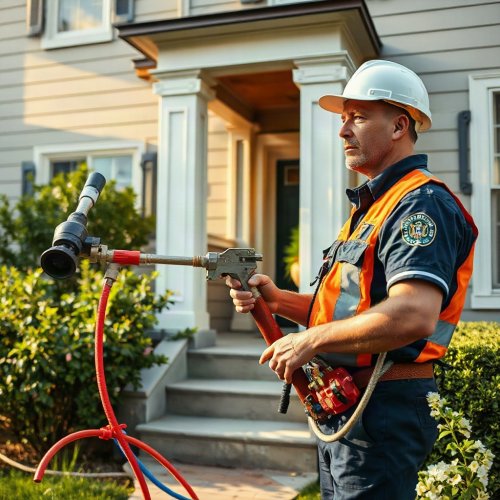
Commercial Hydro Jetters: High-pressure water jet systems that clear grease, sediment, and biological buildup from the entire diameter of the pipe.
-
Root-Cutting Mechanical Augers: Heavy-duty motorized drain machines equipped with C-cutters and expanding blade assemblies designed to shear thick tree roots inside 3-inch to 6-inch sewer pipes.
-
Trenchless Pipe Relining (CIPP): Cured-in-place pipe lining equipment that restores broken or cracked sewer pipes from the inside without requiring destructive yard excavation.
Repair vs. Replacement: What Factors Dictate the Cost?
Sewer backup resolution costs vary based on the underlying cause and the extent of line damage.
Cost Consideration: Plumbing repair costs vary depending on the severity of the problem, accessibility of the sewer cleanout, materials required, emergency dispatch timing, and whether structural pipe repairs are needed.
Cost & Complexity Comparison:
┌──────────────────────────────────────┬──────────────────────────────────────┐
│        Standard Mainline Clearing    │      Structural Pipe Repair/Replace   │
├──────────────────────────────────────┼──────────────────────────────────────┤
│ • Root or grease blockages           │ • Collapsed, sheared, or bellied pipe│
│ • Clear via Hydro Jetting or Auger   │ • Requires CIPP lining or excavation │
│ • 1 to 3 hours total repair time     │ • 1 to 2 days total project time     │
│ • Lower overall cost                 │ • Higher material & engineering cost │
└──────────────────────────────────────┴──────────────────────────────────────┘
-
Accessibility: An easily accessible outdoor ground cleanout allows for faster diagnostic setup than an inaccessible line that requires pulling indoor toilets or getting on the roof to run equipment through vents.
-
Extent of Structural Damage: A standard soft clog clearing costs significantly less than repairing an underground pipe crushed by root growth or ground shifting.
-
Repair Method Selected: Trenchless epoxy lining (no-dig method) often saves property owners thousands of dollars in secondary concrete, asphalt, and landscape restoration costs compared to traditional open-trench excavation.
Hidden Truths About Sewer Line Maintenance
-
Chemical Cleaners Make Sewer Emergencies Worse: Dumping bottles of caustic chemical drain cleaner into a backed-up sewer line will not dissolve heavy tree roots or dense grease plugs. It only fills your tubs with a toxic, acidic chemical solution that endangers emergency technicians and corrodes older plumbing.
-
Municipalities Rarely Cover Private Laterals: The homeowner is solely responsible for the upper sewer lateral extending from the home all the way to the municipal main connection point, even if part of that pipe runs underneath the street or sidewalk.
-
Root Intrusions Always Return Without Structural Repair: Cutting roots out with a mechanical blade provides immediate emergency relief, but tree roots will regrow through the same unsealed pipe joints within 6 to 12 months unless the pipe is permanently relined or replaced.
-
Sewer Gas Is Flammable and Toxic: Hydrogen sulfide gas produced by decomposing matter inside backed-up sewer lines can cause headaches, nausea, eye irritation, and respiratory problems.
15 Preventive Tips to Stop Future Sewer Backups
-
Never Flush Sanitary Wipes: Dispose of all baby wipes, cleaning wipes, and cosmetic pads in the waste bin, even if labeled "flushable."
-
Dispose of Kitchen Fats in the Trash: Allow cooking oils, lard, and bacon grease to cool in a container before throwing them away.
-
Install a Backwater Prevention Valve: A backwater valve allows sewage to flow outward toward the city main but closes automatically if the city sewer surges backward toward your home.
-
Schedule Annual Camera Inspections: Have your sewer lateral inspected with an HD camera once a year to catch root growth or pipe sagging early.
-
Keep Your Cleanout Accessible: Never bury your exterior sewer cleanout box under sod, concrete, decorative rocks, or heavy mulch.
-
Replace Aging Clay Pipes with Seamless PVC or HDPE: If you live in an older home, transition aging vitrified clay sections to modern, joint-free piping.
-
Use Hair Traps on All Fixture Drains: Keep long hair and foreign debris out of the drain system to reduce snag points inside the main line.
-
Avoid Planting Large Trees Over Sewer Lines: Consult utility maps before planting deep-rooted trees or large shrubs near your sewer lateral easement.
-
Periodically Flush Lines with Hot Water: Running hot water through kitchen drains helps dissolve minor lingering grease films before they solidify.
-
Do Not Overuse Garbage Disposals: Scrape large food scraps into the compost or trash rather than washing them down the disposal.
-
Install an Outdoor Sewer Cleanout Cap: Ensure the cap on your exterior sewer cleanout is threaded tight and free from cracks.
-
Inspect Sump Pumps and Ejector Systems: Test residential sewage ejector pumps every six months to confirm float switches operate correctly.
-
Avoid Flushing Dental Floss and String: Strands of dental floss catch inside rough pipes, forming nets that collect debris and paper.
-
Perform Regular Hydro Jetting for Commercial Kitchens: Restaurants and commercial food facilities should hydro jet their lines quarterly to manage grease buildup.
-
Address Slow Drains Immediately: Never ignore drains that clear slowly or gurgle when other appliances are in use.
Frequently Asked Questions
What is the difference between a main sewer clog and a regular drain clog?
A regular clog affects only one fixture (such as a single bathroom sink) while other fixtures in the home drain normally. A main sewer clog blocks the shared lateral line, causing water backed up in one drain to appear in other low-lying fixtures across the house.
Is raw sewage backup covered by standard homeowners insurance?
Standard homeowners insurance policies often exclude sewer backups unless you have added a specific "Water and Sewer Line Backup Endorsement" to your policy. Check your policy documents or contact your insurance agent to verify your coverage.
What should I do if raw sewage floods my bathroom floor?
Evacuate the area immediately. Turn off your home's main water supply, turn off electricity to the flooded room at the breaker box if it is safe to do so, and call a professional emergency plumber. Avoid touching contaminated water or surfaces without personal protective equipment.
How quickly can a technician clear a sewer line backup?
Most straightforward main line obstructions caused by roots or soft blockages can be cleared within 1 to 3 hours using mechanical augers or high-pressure hydro jetting equipment.
What is trenchless sewer repair?
Trenchless sewer repair (such as Cured-In-Place-Pipe lining) is a modern restoration method where an epoxy-saturated felt tube is pulled into your existing broken pipe and cured in place. This creates a smooth, jointless pipe-within-a-pipe without digging large trenches across your yard or driveway.
Why do my toilets bubble when the washing machine drains?
The washing machine discharges a large volume of water under pressure. If the main sewer line is partially restricted, that water displaces air inside the pipe, which pushes backward through the toilet trap and causes visible bubbling and gurgling.
Can chemical root killers permanently eliminate tree roots in my sewer?
Chemical root treatments slow down root growth, but they cannot fix the cracks or open joints through which the roots entered. Permanent elimination requires structural pipe lining or physical pipe replacement.
Can I run my water if the cleanout is overflowing outside?
No. Running any water inside the house will add to the volume escaping from the cleanout or force wastewater back into indoor fixtures.
How do plumbers locate where the sewer line is broken underground?
Technicians push a camera equipped with an electronic radio sonde transmitter through the pipe. A hand-held receiver above ground detects the signal, showing the exact depth, location, and path of the broken pipe section.
What are the health hazards associated with a sewer backup?
Raw sewage contains harmful bacteria (such as E. coli and Salmonella), viruses (such as Hepatitis A), and parasites. Exposure through direct contact, contaminated surfaces, or inhaling airborne sewer gas can cause serious illness.
Why Choose Plumber in Fresno for Sewer Emergencies?
When sewage threatens your home or business, you need experienced, fully licensed professionals who can resolve the issue quickly and safely. Plumber in Fresno provides 24/7 emergency response for critical sewer and drain emergencies across Fresno County.
-
24/7 Rapid Response: On-call emergency teams are dispatched immediately to minimize property damage and restore sanitation.
-
Advanced Diagnostic Technology: High-definition video inspection cameras and electronic locators accurately identify the problem without unnecessary digging.
-
Complete Sewer Solutions: From heavy-duty hydro jetting and root removal to trenchless pipe relining and full replacements.
-
Upfront, Honest Pricing: Clear diagnostics and transparent estimates before work begins—no surprise fees.
-
Local Central Valley Expertise: Decades of combined experience handling Fresno's unique soil, root, and plumbing infrastructure conditions.