How to Fix a Running Toilet in Fresno
Learn how to fix a running toilet in Fresno. Step-by-step troubleshooting, root causes, and expert tips to stop water waste and high bills.

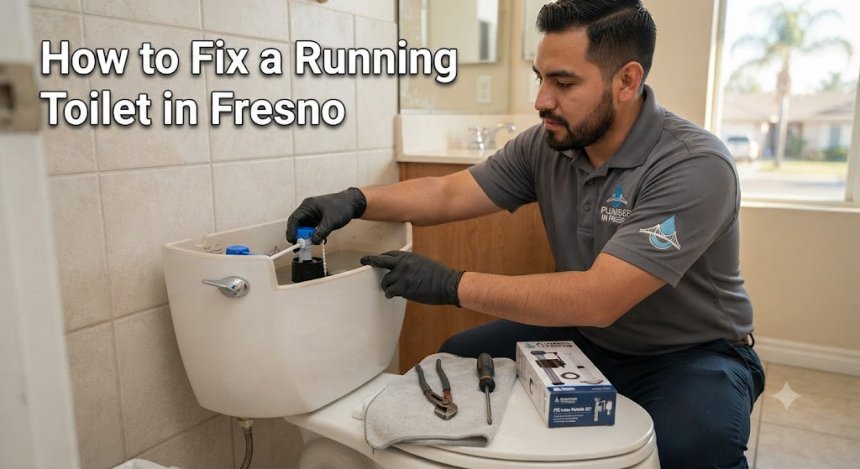
Few household nuisances test your patience—and inflate your water bill—quite like the constant, phantom sound of a toilet perpetually refilling in the dead of night. When a bathroom fixture malfunctions like this, it quietly drains hundreds of gallons of treated water down the drain before you even realize the scale of the waste. Learning how to fix a running toilet is an invaluable skill for any property owner looking to avoid shocking utility bills. In Fresno’s arid Central Valley climate, where municipal water conservation is a constant priority and mineral-heavy groundwater strains plumbing components, addressing a running toilet immediately stops preventable resource waste and protects your home from sudden efficiency failures.
What Is a Running Toilet? Decoding the Mechanism
A running toilet occurs when water continuously flows from the tank into the bowl long after the flush cycle has completed, preventing the tank water level from reaching its proper shut-off line. Standard gravity-fed toilets rely on a simple balance of physics: a fill valve replenishes the tank, a flapper or canister seal plugs the flush valve opening at the bottom, and a connected chain links the flapper to the flush handle.
When the flapper degrades, warps, or gets obstructed by mineral buildup, water continuously slips past the seal into the bowl. Consider a typical home in Fresno's Old Fig Garden neighborhood: decades-old porcelain tanks combined with aggressive local well or municipal water chemistry cause rubber flappers to turn gummy or brittle within just a few years, creating a permanent, silent leak.
Root Causes: Why This Problem Occurs in Fresno Homes
Plumbing fixtures in the San Joaquin Valley face unique environmental stressors that accelerate wear and tear on delicate internal tank components.
-
Hard Water Mineral Scaling: Fresno's water supply carries high concentrations of dissolved minerals that crystallize around the flush valve seat, preventing rubber flappers from forming a watertight seal.
-
Aggressive Chlorine Degradation: High levels of municipal disinfectants used in local water treatment chemically break down rubber and plastic components inside the tank prematurely.
-
Thermal Expansion: Intense Central Valley summer heat spikes ambient indoor temperatures, causing plastic fill valves and rubber gaskets to warp and lose structural elasticity.
-
Chain and Lever Misalignment: Improper slack in the trip lever chain causes the flapper to sit crookedly across the drain opening every time the handle is released.
-
Aged Tank Hardware: Decades of corrosion on brass or plastic shank nuts, flush handles, and overflow tubes undermine the integrity of the entire assembly.
Critical Warning Signs: When Your Home is Sounding the Alarm
Toilets rarely fail without giving subtle sensory indicators before a minor trickle turns into a major plumbing headache.
-
Auditory Clues: A faint hissing or trickling sound minutes after a flush, a sporadic "ghost flushing" sound as the fill valve automatically kicks on to replenish dropped water levels, or water hammering when the valve shuts.
-
Visual Indicators: Ripple movements on the surface of the water inside the bowl, unexplained spikes on your monthly municipal water utility statement, or rust stains running vertically down the inside porcelain of the bowl.
-
Tactile Changes: A flush handle that feels loose, requires jiggling to stop running, or has excessive play before engaging the flush mechanism.
Ignoring these warnings risks permanent damage to the flush valve seat, excessive wear on your fill valve diaphragm, and unnecessarily high monthly utility expenses.
Professional Diagnostic & Repair Workflow
When a running toilet defies simple flapper replacements or involves hidden tank fractures, a licensed plumbing professional follows a rigorous, step-by-step diagnostic workflow.
-
Step 1: Non-Invasive Triage & Supply Isolation: Technicians turn off the dedicated angle stop valve beneath the toilet, drain the tank completely, and inspect the immediate supply connections for structural integrity.
-
Step 2: Precision Tank & Component Inspection: Examining the condition of the flush valve seat, overflow tube height, fill valve assembly, and tank-to-bowl bolts for hairline cracks or severe scaling.
-
Step 3: Transparent, Upfront Options: Providing clear, flat-rate pricing to either rebuild the internal mechanisms or replace the entire fill and flush assembly, ensuring complete transparency before work begins.
-
Step 4: Code-Compliant Part Replacement: Removing worn components, thoroughly cleaning the porcelain seating surfaces, and installing high-grade, chemical-resistant silicone flappers and modern fill valves.
-
Step 5: Calibration, Testing, & Clean Up: Adjusting the water level to the proper fill line marked on the tank, conducting multiple test flushes to verify proper shut-off, and sanitizing the work area.
Advanced Diagnostics: The Professional Tool Arsenal
While homeowners can handle basic flapper swaps, professional technicians rely on specialized diagnostic gear to uncover hidden system failures across the entire bathroom network.
-
Electronic Water Pressure Manometers: Digital gauges utilized to verify whether high incoming municipal water pressure is overpowering older fill valve diaphragms.
-
Thermal Imaging Cameras: Non-invasive infrared tools used to detect slow subfloor leaks or condensation rings around the toilet base, identifying hidden wax ring failures.
-
Acoustic Leak Detectors: High-frequency listening devices that pinpoint hidden supply line leaks behind walls or beneath concrete slab foundations connected to bathroom fixtures.
-
Precision Torque Wrenches: Calibrated tools used to tighten tank-to-bowl bolts evenly, preventing hairline porcelain fractures during hardware replacements.
DIY Reality Check: What You Can Safely Fix vs. When to Step Back
Tackling basic plumbing maintenance can be empowering, but knowing your limits prevents minor mishaps from escalating into costly water damage.
-
Safe DIY Tasks: Adjusting the float height on a modern fill valve, replacing a worn rubber flapper, untangling or clipping excess slack from the trip lever chain, and wiping away mineral deposits from the seal seat.
-
The Danger Zone: Forcing a rusted or corroded angle stop shut-off valve that risks snapping inside the wall, or over-tightening plastic tank bolts until the porcelain bowl fractures.
-
When to Call a Pro: If turning off the supply valve doesn't stop the flow of water, if the toilet body rocks due to a compromised floor flange, or if you notice continuous leakage seeping through the base onto your flooring.
Financial Breakdown: Cost Factors & Investment Realities
Understanding the financial variables associated with toilet repairs helps you budget accurately for parts, professional labor, and system upgrades.
-
Service Call & Dispatch Fees: Standard diagnostic fees required to dispatch a licensed plumber to your property and evaluate system conditions.
-
Component Quality Tier: Standard retail replacement kits versus commercial-grade, heavy-duty brass and silicone components designed to withstand harsh mineral content.
-
Accessibility and Complexity: Additional labor required when working on antique, custom, or low-profile one-piece toilets that feature proprietary internal flushing mechanisms.
-
Associated Sub-Component Replacements: The potential necessity of replacing rotted tank-to-bowl gaskets, rusted floor bolts, or failing angle stop supply valves during the repair process.
Unique Expert Insights: Hard Truths Homeowners Learn Too Late
Years of hands-on field experience reveal several common misconceptions and mistakes that property owners make when dealing with malfunctioning toilets.
-
The Drop-In Bleach Tablet Trap: Dropping concentrated chlorine bleach or chemical sanitizing tablets directly into the tank rapidly corrodes rubber flappers, gaskets, and plastic valve mechanisms from the inside out.
-
Over-Tightening Hardware: Forcing plastic or brass nuts with excessive leverage strips delicate threads and frequently cracks fragile porcelain tanks, turning a simple fix into a total fixture replacement.
-
Ignoring the Ghost Flush: Letting a toilet ghost-flush intermittently for months places constant, unnecessary strain on the fill valve, drastically shortening its operational lifespan.
-
Masking Structural Leaks: Assuming minor dampness around the base of the toilet is just surface condensation rather than a failing wax ring leads to severe subfloor rot and termite attraction.
Comprehensive Home Plumbing Maintenance Framework
Keeping your home's bathroom fixtures operating efficiently requires consistent seasonal attention and smart daily habits.
-
Spring Maintenance: Inspect all bathroom supply lines for signs of bulging or calcification, and test the shut-off valves for smooth operation.
-
Summer Care: Clean mineral scale off fill valve screens and check tank water levels during peak temperature months when evaporation and usage peak.
-
Fall Preparation: Verify that bathroom exhaust fans are venting correctly to manage humidity levels and prevent mold growth around fixtures.
-
Winter Checks: Monitor fill rates and ensure indoor plumbing remains properly insulated against rare Central Valley morning frosts.
-
Year-Round Habits: Avoid flushing non-flushable wipes, paper towels, or feminine hygiene products down the toilet, and never use corrosive chemical drop-in tank cleaners.
Emergency Protocol: When Immediate Dispatch is Non-Negotiable
While a running toilet is primarily an efficiency and cost issue, certain bathroom plumbing failures require immediate, 24/7 professional intervention.
-
Catastrophic Supply Line Rupture: If an under-toilet supply hose completely bursts and sprays high-pressure water across your bathroom floor, immediately turn off the local angle stop or main house shut-off valve.
-
Unresponsive Shut-Off Valves: When an old angle stop valve fails to close completely during an emergency repair, professional freezing or main-line isolation tools are required.
-
Severe Overflowing Combined with Backups: If a running toilet coincides with a main sewer line blockage causing wastewater to spill over living areas, professional extraction and hydro-jetting are immediately mandatory.
Frequently Asked Questions (FAQs)
Why is my toilet running intermittently without anyone flushing it?
This is commonly known as a "ghost flush." It happens when water slowly leaks past a degraded flapper from the tank into the bowl, causing the water level to drop until the fill valve automatically turns on to refill it.
How do I know if I need to replace my flapper or the entire fill valve?
If the water level in the tank drops below the top of the overflow tube or the flapper is warped and brittle, replacing the flapper is usually enough. If the tank fails to stop filling even when the float reaches the top, the fill valve assembly needs replacement.
Can a running toilet really increase my water bill significantly?
Yes. A continuously running toilet can waste up to 200 gallons of water or more per day, which translates to hundreds of gallons of wasted water and a surprisingly high monthly municipal utility bill.
How long do toilet flappers typically last in Fresno?
Due to local hard water mineral content and water treatment chemicals, standard rubber flappers in the area typically last between 3 to 5 years before requiring replacement.
Is it difficult to adjust the water level in a toilet tank?
Modern fill valves feature an adjustable clip or adjustment screw on the shaft. Turning the screw or sliding the clip lowers or raises the float cup to set the water level roughly one inch below the top of the overflow tube.
What should I do if my toilet angle stop valve won't turn off?
Do not force the handle with excessive leverage, as older brass stems can snap off inside the wall. Instead, shut off the main water supply to your home and call a licensed professional to replace the valve.
Why does my new flapper still leak water into the bowl?
Mineral buildup or calcification on the rim of the flush valve seat often prevents new rubber flappers from forming a complete seal. Cleaning the seat thoroughly with a non-scratch pad usually resolves the issue.
How long does a professional toilet repair or rebuild take?
An experienced, licensed plumber can typically diagnose, replace internal tank mechanisms, and calibrate a running toilet within 30 to 45 minutes.