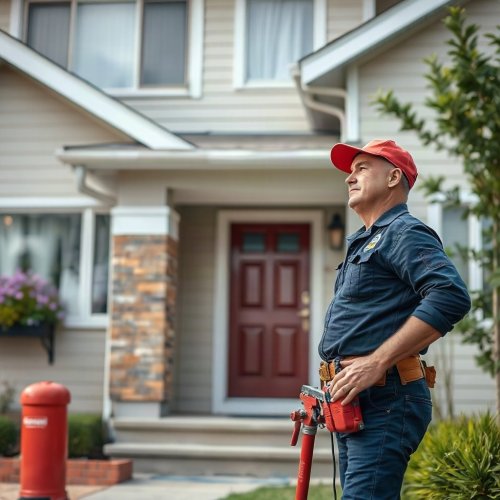
Water Line Replacement in Fresno, CA: Complete Homeowner & Property Guide
Your main water service line is the single most critical pipe on your property. Running underground from the city water meter or private well directly into your foundation, it delivers every drop of clean, pressurized water your household relies on daily.
When this subterranean line develops pinhole leaks, cracks from shifting Central Valley soil, or collapses due to age, the disruption affects your entire property. Homeowners and commercial building managers in Fresno County frequently encounter low water pressure, soggy spots on lawns during hot summer months, or sudden spikes on their City of Fresno utility statements.
Understanding the mechanics of your water line, recognizing early failure signs, and knowing the difference between spot repairs and full replacements will save you thousands of dollars in property damage. This guide breaks down everything you need to know about professional Water Line Replacement in Fresno, CA, helping you make an informed decision before hiring a licensed contractor.

What Is a Main Water Line Replacement?
A main water service line replacement involves removing, abandoning, or rehabilitating the primary underground pipe that transports potable water from the municipal water main (or private well system) into your home or commercial building.
In Fresno, residential water lines typically measure between 3/4 inch to 1 inch in diameter, while commercial lines range from 1.5 inches to several inches. Depending on the era your home was built—whether a mid-century home in the Tower District, a 1970s ranch in Central Fresno, or newer construction in Woodward Park and Clovis—the line may consist of galvanized iron, copper, polybutylene, or modern PEX and HDPE (High-Density Polyethylene).
A full replacement replaces the compromised underground run with durable, code-approved piping designed to handle Fresno's municipal water pressure (typically 45 to 75 PSI) and resist corrosive ground conditions for 50+ years.
Why Do Main Water Lines Fail in Fresno?
Underground pipes operate under continuous mechanical pressure from the inside and physical stress from the surrounding soil. Several factors accelerate water line deterioration across the San Joaquin Valley:
-
Aging and Material Degradation: Many older homes in Fresno still utilize galvanized steel pipes. Over decades, the protective zinc coating dissolves, leading to severe interior rust, calcification, and eventual wall failure.
-
Central Valley Soil Composition: Fresno sits on expansive, sandy-loam and clay-heavy soils. During wet winter storms followed by blistering, dry summer heat exceeding 100°F, the soil expands and contracts significantly. This constant earth movement creates shear stress on rigid pipe joints.
-
Mineral Content and Hard Water: Central California water carries moderate to high mineral concentrations (calcium and magnesium carbonate). Over time, mineral buildup creates localized friction and accelerates interior pitting, especially in aging copper lines.
-
Tree Root Intrusion: Fast-growing root systems from mature landscape trees—such as eucalyptus, oak, and redwoods common in older Fresno neighborhoods—naturally seek out the moisture surrounding underground condensation and microscopic pipe fissures. Roots wrap around or penetrate pipe joints, causing structural collapses.
-
High Water Pressure & Pressure Surges: Water main fluctuations or failed pressure-reducing valves (PRVs) subject residential lines to surges above 80 PSI, causing fatigue along older pipe joints and weak seams.
-
Ground Settlement & Seismic Activity: Regional seismic settling and nearby heavy construction can shift underground soil beds, creating bellies or stress fractures along rigid water service piping.
Signs of Main Water Line Damage You Should Never Ignore
Underground water leaks rarely announce themselves with an obvious geyser. Instead, they produce subtle, persistent symptoms that worsen over time:
-
Unexplained Drops in Water Pressure: If multiple plumbing fixtures exhibit low volume simultaneously—especially when two taps run at once—your main line is likely losing volume underground.
-
Puzzling Spikes in Your Water Bill: A continuous underground leak wastes hundreds of gallons daily without visible indoor flooding, reflected immediately on your municipal utility bill.
-
Soggy Spots or Unusually Green Grass: In the middle of a hot Fresno summer, a specific patch of lush, saturated grass or pooling water along your front lawn or driveway apron points to a leaking subterranean pipe.
-
Discolored, Rusty, or Gritty Water: Brownish, yellowish, or sediment-laden water appearing across all household taps indicates interior pipe corrosion or dirt entering through a cracked pipe wall.
-
Hissing or Running Water Sounds: When all indoor fixtures, appliances, and irrigation systems are turned off, a faint sound of flowing water near your foundation or meter box signals an active leak.
-
Cracks in Driveways, Walkways, or Foundation Slabs: Water escaping underground erodes the stabilizing soil beneath concrete, leading to structural sinkage, foundation cracks, or sunken pavers.
-
Dampness or Mold Growth Near Baseboards: Water following the exterior of the pipe can track through foundation penetrations, causing damp drywall, musty odors, and flooring damage near the entry point.
Water Line Replacement vs. Spot Repair: Comparison
| Attribute | Spot Repair | Full Water Line Replacement |
| Best Used For | Isolated physical damage (e.g., single tree root or fence post puncture) | Widespread corrosion, galvanized piping, brittle polybutylene, recurring leaks |
| Expected Lifespan | 2 to 5 years (surrounding old pipe remains vulnerable) | 50+ years with modern HDPE, PEX, or Type K Copper |
| Property Disruption | Minimal, localized excavation | Low to moderate (using Trenchless methods) |
| Long-Term Cost | Lower upfront cost, higher risk of repeated repair bills | Higher upfront investment, eliminates future water main repair costs |
| Permit & Inspection | Typically basic municipal plumbing repair permit | City of Fresno plumbing permit & mandatory pressure inspection |
Modern Methods for Main Water Line Replacement
Licensed plumbing contractors use both traditional and minimally invasive trenchless techniques to replace residential water mains:
1. Trenchless Pipe Pulling / Pipe Bursting
A heavy-duty steel cable is threaded through the failing water line. Connected to a hardened splitting head and a continuous roll of seamless HDPE (High-Density Polyethylene) pipe, a hydraulic puller draws the new pipe through the old line. The old pipe is split underground while the new pipe is set in place simultaneously.
-
Key Advantage: Preserves landscaping, mature trees, concrete sidewalks, and asphalt driveways with only two small access pits.
2. Directional Boring / Horizontal Drilling
Specialized drilling equipment creates a subterranean path beneath your yard from the city meter to your home's foundation without disturbing the surface. The new service pipe is then pulled through the newly drilled tunnel.
-
Key Advantage: Ideal when lines run directly underneath patios, established masonry, or structural obstacles.
3. Open Trench Excavation
A dedicated trench is excavated along the entire length of the water line path using mini-excavators and hand tools. The old line is removed, bedding sand is laid, new piping is installed, and the trench is backfilled and compacted to grade.
-
Key Advantage: Required when severe soil collapses prevent trenchless pulling, or when the pipe path must be significantly rerouted.
Step-by-Step Professional Replacement Process
When you hire a licensed plumbing team for a Water Line Replacement in Fresno, CA, the job follows a standardized engineering and safety protocol:
-
Step 1: Site Assessment & Utility Locating (811): Underground utilities (gas, electrical, telecommunications, sewer) are marked before any digging begins to prevent utility strikes.
-
Step 2: Diagnostic Verification & Leak Locating: Technicians use acoustic sensors, pressure gauges, and ground-penetrating locators to trace the exact depth and path of your water line.
-
Step 3: Permitting: A plumbing permit is secured through the City of Fresno Planning & Development Department or Fresno County Building Division to ensure all work meets the California Plumbing Code (CPC).
-
Step 4: Excavation of Access Points: Small, clean entry and exit pits are dug at the meter connection and the house foundation inlet.
-
Step 5: Pipe Installation: Using trenchless pipe bursting, horizontal boring, or open trenching, modern code-approved piping (such as 200+ PSI rated HDPE or Type K copper) is installed.
-
Step 6: Connection & Shut-Off Valve Upgrade: New quarter-turn brass ball valves, backflow prevention assemblies, and pressure regulators are installed at the house transition.
-
Step 7: Pressure Testing & City Inspection: The newly installed line is pressurized above municipal operating standards and inspected by the local municipal building inspector.
-
Step 8: Disinfection, Flushing, & Site Restoration: The line is disinfected, thoroughly flushed to remove air and particulates, and access pits are backfilled and compacted.
Understanding the Factors That Influence Project Costs
No two underground plumbing projects are identical. A reputable plumbing contractor provides an upfront, on-site assessment based on the following variables:
-
Total Run Length: The distance from the municipal meter at the street or alleyway to the home's water inlet directly affects material and labor requirements.
-
Installation Method: Trenchless pipe bursting often saves money on surface restoration (driveways, lawns, concrete) compared to extensive open-trench excavation.
-
Depth and Soil Obstacles: Rocky soil, hardpan layers, extensive root networks, or deep utility crossings require specialized excavation equipment.
-
Surface Restoration Needs: Concrete cutting, asphalt patching, or landscaping remediation add to the scope of work if trenchless access is not feasible.
-
Permitting & Municipal Inspection Fees: Local municipality fees for plan reviews, permits, and street-cut bonds (if working within the public right-of-way).
-
Valve and Pressure Regulator Upgrades: Replacing old gate valves with modern full-port brass ball valves and installing a new Pressure Reducing Valve (PRV) to protect indoor fixtures.
Plumbing replacement costs vary depending on the severity of the problem, depth and accessibility of the line, materials required, emergency response timing, property type, and local municipal requirements.
Hidden Realities of Underground Plumbing
-
Small subterranean leaks compound quickly: A pinhole leak losing just 2 gallons per minute wastes over 86,000 gallons of water in a single month, saturating foundation sub-bases.
-
Quick fixes and patch clamps fail: Applying a rubber sleeve or clamp to a corroded pipe creates a temporary seal, but the continuous corrosion simply shifts pressure to the next weakest point inches away.
-
Standard homeowners insurance rarely covers wear and tear: Most policies exclude gradual deterioration, rust, and root intrusion unless you have a specific buried utility line rider.
-
High water pressure destroys modern appliances: Water pressure running over 80 PSI strains internal valves in washing machines, dishwashers, and water heaters, voiding equipment warranties.
-
Annual visual and pressure checks save thousands: Checking your static water pressure at an exterior hose bib with an inexpensive gauge identifies PRV failure before pipe seams rupture.
15 Common Mistakes Homeowners Make
-
Ignoring minor drops in water pressure: Assuming municipal supply issues instead of checking for property-side leaks.
-
Postponing replacement of known galvanized pipes: Waiting for a full collapse rather than replacing brittle lines proactively.
-
Planting invasive trees near water lines: Placing high-water-demand trees directly above service corridors.
-
Attempting DIY excavation without calling 811: Risking fatal gas line punctures or expensive electrical strikes by digging without utility markings.
-
Using incorrect replacement pipe materials: Installing non-rated thin-wall PVC instead of heavy-duty schedule 40/80, PEX-a, or HDPE.
-
Failing to install a Pressure Reducing Valve: Leaving a new service line exposed to high city main surges.
-
Hiring unlicensed, uninsured handymen: Risking sub-code work, voided warranties, and potential liability for property damage.
-
Over-tightening mechanical fittings: Cracking brass or composite fittings during DIY connection attempts.
-
Neglecting soil compaction during backfill: Leaving loose dirt trenches that settle into hazardous sinkholes after the first rain.
-
Skipping municipal permits and inspections: Creating disclosure complications and title issues when selling the property.
-
Connecting dissimilar metals without dielectric unions: Inducing galvanic corrosion by connecting copper directly to galvanized iron.
-
Leaving main shut-off valves unexercised: Allowing old gate valves to seize in the open position, preventing emergency shut-off.
-
Ignoring soggy patches in the front yard: Assuming irrigation runoff rather than testing for continuous meter movement.
-
Failing to flush household lines after service: Letting dislodged pipe scale ruin faucet aerators and toilet fill valves.
-
Shopping purely on the cheapest estimate: Selecting contractors who cut corners on pipe wall thickness, depth standards, or backfill quality.
Preventative Maintenance Checklist for Your Water System
-
Test your home's static water pressure twice a year using a pressure gauge attached to a direct hose bib.
-
Ensure your main water shut-off valve is clearly labeled, accessible, and turns smoothly without sticking.
-
Keep large trees and deep-rooting shrubbery at least 10 feet away from the water service line corridor.
-
Perform a "meter sweep" every 6 months: turn off all indoor water fixtures and verify the low-flow indicator dial on your meter is completely stationary.
-
Inspect the area around your exterior water pressure regulator for corrosion or weeping seals.
-
Insulate any exposed above-ground pipe transitions entering the foundation against occasional Central Valley winter freeze events.
-
Flush your water heater annually to eliminate sediment that enters from degrading municipal or service piping.
-
Replace aging outdoor hose bibs with quarter-turn frost-free models featuring integrated vacuum breakers.
When Is Emergency Plumbing Service Required?
Contact an emergency plumbing professional immediately if you experience:
-
A sudden, complete loss of running water across the entire building.
-
Water bubbling up through foundation slabs, concrete driveways, or sidewalk seams.
-
Noticeable sinkholes or soft ground depressions forming near the foundation.
-
Hissing water sounds paired with rapidly spinning water meter dials while all indoor taps remain closed.
-
Significant water intrusion entering basements, crawlspaces, or living areas from the main service entrance.
Frequently Asked Questions
How long does a main water line replacement typically take?
Most residential trenchless replacements (pipe bursting or horizontal boring) take 1 to 2 days to complete, with water service restored by the end of the first day in the majority of cases. Open-trench excavations on long or complex runs may take 2 to 3 days, including municipal inspections and site backfilling.
How do I know if the leak is my responsibility or the City of Fresno's?
The property owner is responsible for the water service line running from the city water meter box (usually located near the sidewalk or curb) all the way into the home. The municipal utility is responsible for the main distribution line in the street and the meter assembly itself.
Can tree roots crack a main water line?
Yes. Roots naturally seek out moisture and temperature gradients. They wrap around underground pipes, exerting massive mechanical pressure that can crush brittle pipes, or penetrate microscopic gaps in pipe joints, expanding until the pipe splits.
Will trenchless pipe replacement damage my lawn or driveway?
Trenchless pipe bursting requires only small access pits at either end of the pipe run. This method keeps driveways, decorative walkways, patios, and landscaping intact, minimizing post-installation restoration costs.
What is the best pipe material for main water line replacement?
High-Density Polyethylene (HDPE) and Type K copper are the industry standards. Seamless HDPE is flexible, corrosion-proof, resists seismic ground shifts, and has no joint connections underground, making it the preferred choice for trenchless installations.
How do I locate my home's main water shut-off valve?
The main emergency shut-off valve is typically located on an exterior wall near the front hose bib where the water line enters the house, or inside the garage. There is also a master shut-off on the city side inside your meter box.
Why is my water pressure low throughout the entire house?
A sudden, whole-house pressure drop is commonly caused by a major underground water line leak, a failing Pressure Reducing Valve (PRV), or severe mineral and rust constriction inside older galvanized pipes.
Do I need a permit for water line replacement in Fresno?
Yes. The City of Fresno and Fresno County require plumbing permits for full water service replacements to verify proper pipe sizing, burial depth, material standards, backflow prevention, and pressure ratings according to the California Plumbing Code.
How can I verify if I have an underground water leak right now?
Turn off every water fixture, appliance, and automatic irrigation system on your property. Open your water meter box and look at the meter dial. If the small low-flow indicator (often a small red, blue, or silver triangle/gear) is spinning, water is escaping somewhere on your property.
How long will a new water service line last?
Modern continuous HDPE or Type K copper water lines have an expected operational lifespan of 50 to 100 years when properly installed and protected from excessive pressure surges.
Why Choose Plumber in Fresno
When replacing your home's most vital water infrastructure, you need an experienced, licensed team equipped with modern diagnostic and trenchless replacement technology.
-
Experienced Licensed Plumbers: Decades of collective field experience handling Central Valley plumbing challenges and expansive soils.
-
Advanced Trenchless Capabilities: Minimally invasive pipe bursting and boring equipment to preserve your landscaping, concrete, and hardscapes.
-
Transparent Upfront Estimates: Detailed project scopes and clear pricing options before any excavation begins.
-
Full Code Compliance & Permitting: We manage municipal permits and coordinate city inspections from start to finish.
-
Prompt Local Service: Serving Fresno, Clovis, Madera, Sanger, Selma, and surrounding Central Valley communities.