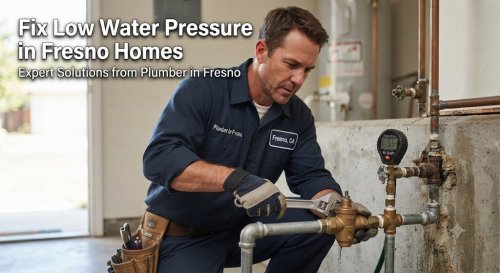
Water Heater Repair in Fresno, CA: Troubleshooting, Costs, and Expert Solutions
Waking up to a freezing cold shower on a brisk Central Valley morning is a frustrating disruption. For homeowners and commercial property managers across Fresno County, hot water is an essential daily necessity for bathing, cooking, dishwashing, and sanitation. When your unit starts rumbling, leaking, or delivering lukewarm water, fast and dependable Water Heater Repair in Fresno, CA becomes an urgent priority.
Plumbing fixtures face specific regional challenges in Fresno, Clovis, and surrounding communities. Heavy mineral deposits from San Joaquin Valley groundwater place extra strain on traditional storage tank systems and modern tankless models alike. Understanding how your unit functions, recognizing early warning signs, and knowing when to call a professional can help you avoid major structural water damage and costly emergency replacements.

What Is Water Heater Repair?
Water heater repair involves diagnosing, servicing, and restoring a residential or commercial water heating appliance that is underperforming, malfunctioning, or posing a safety hazard.
Water heaters generally fall into two categories:
-
Storage Tank Water Heaters: These units store anywhere from 30 to 80 gallons of water in an insulated steel vessel. The water is continuously kept at a set temperature using natural gas burners or electric resistance elements.
-
Tankless (On-Demand) Water Heaters: These systems flash-heat water on demand as it flows through high-output heat exchangers, firing up only when a hot water tap is opened.
A malfunction occurs when mechanical components, electrical circuits, gas valves, or structural seals fail. Repair focuses on replacing worn parts, clearing sediment blockages, and recalibrating system settings to restore safe, efficient operation.
Why Water Heater Problems Happen in Fresno
Water heating systems endure substantial thermal and mechanical stress. In Fresno and the surrounding Central Valley, specific factors accelerate system wear:
-
Hard Water and Mineral Buildup: Fresno’s municipal and well water contains elevated levels of dissolved calcium and magnesium. When water is heated, these minerals precipitate out of solution and settle as a dense layer of scale at the bottom of the tank or inside tankless heat exchanger fins. This sediment insulates the water from the heat source, causing hotspots that weaken the steel tank bottom and burn out heating elements.
-
Sacrificial Anode Rod Depletion: Storage tanks use an internal magnesium or aluminum anode rod designed to corrode before the steel tank does. Once this rod is completely depleted (often within 2 to 4 years in hard water conditions), rust attacks the tank walls directly.
-
Excessive Thermal Expansion and Water Pressure: Water expands by volume when heated. In closed plumbing systems without an expansion tank or with a failing pressure-reducing valve (PRV), spikes over 80 PSI place continuous stress on tank fittings and internal glass linings.
-
Corroded Heating Elements and Gas Assemblies: Electric elements short out when coated in scale. Gas burners can develop soot, clogged pilot orifices, or corroded thermocouple probes due to dusty Central Valley air and moisture.
-
Aging and Material Fatigue: Standard residential tank units have a design life of 8 to 12 years. Over time, recurring heating and cooling cycles fatigue the structural seams until pinhole leaks emerge.
Warning Signs You Should Never Ignore
+---------------------+-----------------------------------+----------------------------------------+
| Warning Sign        | Underlying Cause                  | Risk of Ignoring                       |
+---------------------+-----------------------------------+----------------------------------------+
| Lukewarm/Cold Water | Burned element or failed burner   | Complete loss of hot water             |
| Rumbling/Popping    | Heavy sediment boiling in base    | Tank overheating and premature rupture |
| Rusty/Brown Water   | Corroding tank interior or rod    | Irreparable tank leak and rust stains  |
| Water Around Base   | Leaking fitting or cracked vessel | Major structural rot and mold growth   |
| Rotten Egg Smell    | Bacterial reaction with anode rod | Unsanitary water and odor spread       |
| Dripping T&P Valve  | Excessive pressure or temperature | Dangerous pressure vessel failure      |
+---------------------+-----------------------------------+----------------------------------------+
-
Popping, Banging, or Rumbling Sounds: Trapped water underneath a thick layer of calcified sediment boils into steam bubbles, rattling the tank floor.
-
Rusty or Discolored Water: Water coming out orange, reddish, or cloudy from hot taps only indicates internal tank rust or active galvanic corrosion.
-
Moisture or Pooling Water: Water around the base or fittings requires immediate attention. Even small drips can quickly escalate into full tank ruptures.
-
Rotten Egg (Sulfur) Odors: Anaesthetic bacteria inside the tank react with magnesium anode rods to generate hydrogen sulfide gas.
-
Dripping Temperature & Pressure (T&P) Relief Valve: This critical safety valve relieves excessive heat or pressure. Frequent dripping indicates dangerous internal conditions or valve failure.
Common Related Plumbing Problems
Water heater malfunctions rarely occur in isolation. They often trigger or stem from broader plumbing complications:
-
Whole-House Low Water Pressure: Heavy sediment scale can break loose, traveling into copper or PEX lines and clogging aerators, shower cartridges, and supply valves.
-
Corroded Supply Lines and Dielectric Nipples: Dissimilar metals (such as copper pipes joined directly to galvanized fittings) cause rapid galvanic corrosion, creating leaks directly above the unit.
-
Slab and Subfloor Leaks: Pressurized hot water lines routed through concrete foundations can develop pinhole leaks due to thermal friction or aggressive water chemistry.
-
Main Line Backups and Drain Blockages: When water heater tanks are drained improperly into nearby floor drains, settled sediment can clog household waste lines.
Step-by-Step Professional Repair Process
When you book Water Heater Repair in Fresno, CA with a licensed plumbing technician, the repair follows a clear, systematic process:
[1. Safety Shutdown] ──> [2. Diagnostic Check] ──> [3. Clear Estimate]
                                                            │
[6. Flush & Cleanup] <── [5. Pressure/Fire Test] <── [4. Precision Repair]
-
Safety Isolation: The technician shuts off the dedicated fuel source (gas shutoff cock or electrical breaker) and closes the cold water supply valve.
-
Comprehensive Diagnostic Inspection: Using multimeters, manometers, and thermal sensors, the technician tests electrical continuity, gas line pressure, thermocouple voltage, pilot assemblies, and valve seals.
-
Written Upfront Estimate: The homeowner receives a clear explanation of the failed component, repair options, and upfront pricing before work begins.
-
Targeted Part Replacement: The plumber replaces the failed components using commercial-grade parts (e.g., heavy-duty low-watt-density elements, OEM gas control valves, brass drain valves, or replacement anode rods).
-
Operational and Safety Testing: The system is repressurized and refired. The plumber checks for gas leaks using bubble solution or electronic sniffers, verifies proper venting/drafting, and tests T&P valve operation.
-
Flush and Site Cleanup: The work area is cleaned, sediment deposits are drained if applicable, and temperature guidelines (recommended at 120°F to prevent scalding) are set.
Can You Fix It Yourself?
Understanding the boundary between simple homeowner maintenance and hazardous work is essential for safety:
Safe DIY Tasks
-
Relighting the Pilot Light: Following the manufacturer-printed instructions on the access panel.
-
Adjusting the Thermostat: Turning the temperature dial down to 120°F to lower energy costs and reduce scale buildup.
-
Checking the Circuit Breaker: Resetting a tripped dual-pole breaker for an electric unit once.
Dangerous DIY Hazards
-
Gas Line or Valve Disassembly: Improper adjustments risk dangerous natural gas leaks and carbon monoxide accumulation.
-
Replacing 240V Elements Live: High-voltage electrical work carries severe shock and fire risks.
-
Capping a Leaking T&P Valve: Never plug or cap a leaking relief valve. This removes the safety release, turning the unit into a potential pressure hazard.
-
Working on Cracked Tank Shells: Structural tank leaks cannot be patched with epoxy, solder, or sealants.
Professional Diagnostic Equipment
Modern plumbing technicians use specialized equipment to deliver precise, non-destructive diagnostics:
-
Digital Multimeters: Measure exact electrical resistance (ohms) across elements and verify input voltage.
-
Gas Pressure Manometers: Measure natural gas pressure in inches of water column to ensure safe burner operation.
-
Thermal Imaging Cameras: Identify hidden sediment levels inside tanks and trace hot water slab leaks behind finished walls.
-
Flue Gas & Carbon Monoxide Analyzers: Verify that draft hoods and direct-vent conduits safely exhaust combustion gases outside the home.
-
Hydrostatic Pressure Gauges: Test dynamic and static municipal water pressure entering the property.
Repair Timelines
+--------------------+---------------------------------------+------------------+
| Repair Complexity  | Typical Work Involved                 | Average Time     |
+--------------------+---------------------------------------+------------------+
| Minor Repair       | Thermocouple, T&P valve, tune-up      | 1 to 2 Hours     |
| Moderate Repair    | Dual elements, thermostats, gas valve | 2 to 3 Hours     |
| Major System Overhaul| Heat exchanger descaling, re-piping | 3 to 5 Hours     |
| Complete Replacement| Removal, code upgrades, installation  | 4 to 6 Hours     |
+--------------------+---------------------------------------+------------------+
Emergency repairs involving active flooding or damaged gas lines require immediate isolation, with full component repairs completed once the site is safe.
Repair and Replacement Cost Factors
Plumbing repair costs vary depending on the severity of the problem, accessibility, materials required, emergency service, property type, and local labor rates.
Key variables affecting final costs include:
-
Component Complexity: Replacing a standard thermocouple or brass drain valve requires fewer parts than installing an electronic gas control valve or tankless circuit board.
-
Location and Access: Units in tight attics, narrow crawlspaces, or mobile home enclosures require additional labor to service safely compared to open garage setups.
-
Local Code Upgrades: If an older installation lacks thermal expansion tanks, code-compliant sediment traps (drip legs), or seismic strapping required in California, these must often be brought up to standard during major repairs.
-
Age vs. Investment (Repair vs. Replace): If a repair costs more than 50% of the price of a new unit and the system is over 8–10 years old, replacement is generally the more cost-effective long-term path.
Practical Insights for Homeowners
-
Small Drips Cause Expensive Repairs: A slow drip from a top inlet nipple can corrode the steel jacket, destroy electrical panels, and rot wall framing long before the leak is noticed.
-
Sediment Drastically Shortens Lifespan: A half-inch layer of mineral scale forces the burner to run much longer to heat the same volume of water, speeding up tank fatigue.
-
Standard Home Insurance Excludes Gradual Wear: Most property policies cover sudden water damage from a burst tank, but they routinely deny claims for slow leaks, rust, and deferred maintenance.
-
Pressure Regulators Protect Fixtures: If city main pressure exceeds 80 PSI, your water heater, washing machine hoses, and faucets remain under constant, damaging stress.
-
Annual Servicing Saves Money: Replacing a $40 anode rod every few years can add 5 to 7 years of operational life to a standard storage tank.
15 Common Mistakes Homeowners Make
-
Setting the temperature above 120°F–125°F, accelerating scale buildup and increasing scalding risks.
-
Storing flammable paints, fuels, or boxes near gas burners.
-
Ignoring popping or knocking sounds coming from the tank.
-
Over-tightening plumbing connections, stripping threads or cracking fittings.
-
Skipping annual tank draining and descaling.
-
Forgetting to inspect and replace the sacrificial anode rod.
-
Disabling or capping a dripping T&P safety valve.
-
Hiring unlicensed or uninsured handymen for gas or 240V repairs.
-
Using chemical drain cleaners near relief discharge lines.
-
Failing to test the manual T&P valve lever periodically.
-
Running heating elements while the tank is empty ("dry firing"), which destroys them instantly.
-
Omitting seismic earthquake straps, which are required by California plumbing code.
-
Ignoring small damp spots around the water heater base.
-
Mixing bare copper and galvanized pipe without dielectric unions.
-
Waiting for the system to burst completely before planning a replacement.
Proactive Maintenance Guide
Follow this seasonal checklist to maximize energy efficiency and extend your system's service life:
[Spring: Test T&P Valve] ──> [Summer: Anode Rod Check] ──> [Fall: Full Sediment Flush] ──> [Winter: Insulate & Set 120°F]
-
Annual Sediment Flush: Connect a garden hose to the lower drain valve, open the drain, and flush out calcified mineral flakes until the water runs clear.
-
Descaling Tankless Units: Circulate food-grade white vinegar through tankless heat exchangers using a submersible pump for 45–60 minutes annually.
-
Inspect the Anode Rod Every 2–3 Years: Remove the hex-head rod from the top of the tank; replace it if the core wire is exposed across more than 6 inches.
-
Check the Pilot and Burner Flame: Ensure the gas flame burns a steady, crisp blue. A lazy yellow or orange flame indicates dirty burners or poor airflow.
-
Inspect Vent Piping: Verify that metal b-vent or PVC exhaust pipes are securely connected and free of rust or gaps.
-
Insulate Exposed Pipes: Add foam insulation sleeves to exposed hot and cold water copper lines to reduce standby heat loss.
-
Test the T&P Relief Valve: Lift the test lever briefly to ensure water discharges freely and snaps tightly shut without continuous dripping.
-
Clear the Perimeter: Maintain at least 24 inches of clear space around the unit for proper airflow and safe servicing access.
When to Call an Emergency Plumber
Some water heater situations cannot wait for standard business hours. Contact an emergency plumbing professional immediately if you experience:
-
Active Tank Ruptures: Water flooding across floors, drywalls, or into living spaces from a burst vessel.
-
Strong Gas Smells (Mercaptan): If you smell rotten eggs around the water heater, evacuate the premises immediately, avoid flipping electrical switches, call PG&E or your local gas utility, and call an emergency plumber.
-
Electrical Scorching or Smoke: Burnt wire smells, melted plastic, or scorched access panels on electric units.
-
Continuous, Heavy T&P Discharge: Steaming water dumping continuously from the relief pipe, indicating severe overheating.
-
Complete Loss of Hot Water for Commercial Facilities: Restaurants, care facilities, and multi-family buildings requiring immediate code compliance.
Frequently Asked Questions
How long do residential water heaters typically last?
Traditional storage tank water heaters last an average of 8 to 12 years. Tankless water heaters, when regularly descaled and maintained, often run reliably for 15 to 20 years.
Why is my water heater making a loud popping noise?
Popping sounds are caused by hard water minerals settling at the bottom of the tank. Water trapped beneath this sediment layer overheats, turning to steam and bubbling noisily through the scale.
How often should I flush my water heater in Fresno?
Because Fresno has hard water with high mineral counts, storage tanks and tankless systems should be thoroughly flushed and descaled at least once a year.
What is the recommended temperature setting for a residential water heater?
The standard recommendation is 120°F (49°C). This level provides sufficient hot water for daily use, prevents scalding, and reduces mineral scale buildup.
Why does my water smell like rotten eggs when I run hot taps?
This odor occurs when sulfur bacteria in the water react with the magnesium sacrificial anode rod inside your tank, producing hydrogen sulfide gas. Replacing the rod with an aluminum-zinc alloy version typically resolves the problem.
Can a leaking water heater be repaired, or does it have to be replaced?
If the leak comes from a drain valve, heating element gasket, plumbing nipple, or T&P valve, it can usually be repaired. If the inner steel tank shell itself has rusted through, the unit must be replaced.
Is it safe to leave my water heater on if it is leaking?
No. You should shut off the fuel supply (gas or electricity) and close the cold water inlet valve immediately to prevent electrical shorts, gas issues, or extensive water damage.
Why does my hot water run out much faster than it used to?
In electric water heaters, this typically points to a failed lower heating element. In gas units, a broken internal dip tube can allow incoming cold water to mix directly with outgoing hot water at the top of the tank.
What is an expansion tank, and do I need one?
An expansion tank absorbs excess water volume created during the heating cycle. If your plumbing system features a backflow preventer or pressure-reducing valve, California plumbing code requires an expansion tank to prevent overpressurization.
How do I know if my water heater's anode rod needs replacement?
If the rod is coated in heavy calcium scale, thinned down to its inner wire core, or pitted and split, it can no longer protect your tank and should be replaced.
Why Choose Plumber in Fresno
When your water heater is failing, you need experienced, honest, and reliable local professionals:
-
Licensed & Insured Technicians: Skilled in servicing all major tank and tankless brands (including Bradford White, Rheem, AO Smith, Rinnai, and Navien).
-
Upfront, Transparent Pricing: Clear written quotes before any work begins—no surprise fees.
-
Fast Local Response Across Fresno County: Prompt dispatch throughout Fresno, Clovis, Madera, Sanger, and surrounding neighborhoods.
-
Fully Stocked Service Vans: Most repairs are diagnosed and completed on the spot during the initial visit.
-
Safety & Code Compliance: Every repair and installation adheres strictly to California Uniform Plumbing Code requirements.