Multiple Drains Backing Up at Once
Multiple drains backing up at the same time in your home? Learn the causes, warning signs, DIY safety limits, and when to call a Fresno plumber.

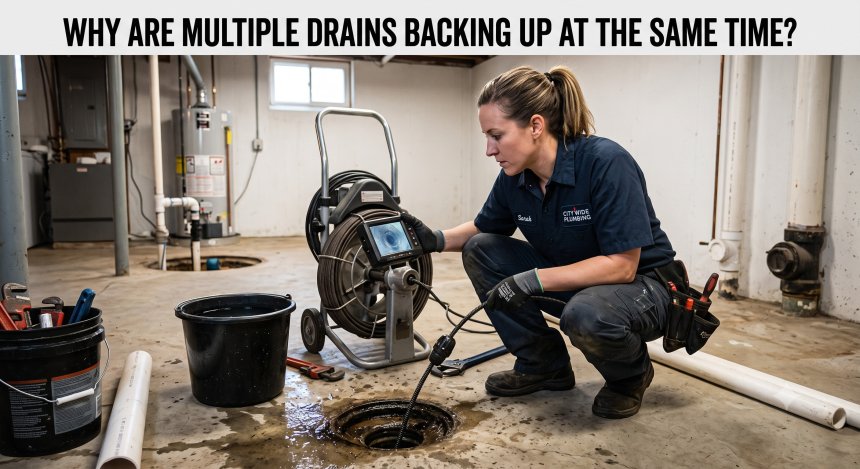
Multiple Drains Backing Up at the Same Time? Causes, Fixes, and What to Do Next
Few plumbing issues cause immediate panic quite like watching dirty water rise out of your shower drain while the washing machine empties, or hearing your toilet gurgle loudly when you run the bathroom sink. When a single sink is slow, it is an isolated nuisance. However, when multiple drains backing up at the same time occurs across your home, you are facing a systemic issue within your drainage network.
Whether you own a vintage bungalow in the Tower District, manage a commercial property near Downtown Fresno, or live in a newer build out in Clovis, shared drainage failures point toward one major issue: a blockage or structural failure in your main sewer line or primary drainage branch.
Understanding how your drainage system operates, recognizing the early warning signals, and taking prompt, correct action protects your home from hazardous bio-contaminants, structural rot, and expensive emergency repairs.
What Does It Mean When Multiple Drains Back Up Together?
Every fixture in your property—sinks, showers, bathtubs, toilets, floor drains, and washing machine standpipes—empties into smaller branch lines. These individual secondary pipes all converge into a single large drainage conduit known as the main sewer line (or building lateral). The main line carries all wastewater away from your home and empties it into the City of Fresno municipal sewer main under the street or out to a private septic system.
When that shared main line becomes restricted or completely blocked, waste has nowhere to go. Wastewater follows the path of least resistance. Instead of exiting your home, dirty water forces its way up through the lowest-lying plumbing fixtures on the property—most commonly ground-floor showers, bathtubs, and basement floor drains.
Common Scenarios Homeowners Experience:
-
The Laundry-Shower Crossover: You start the laundry, and during the high-volume spin-and-drain cycle, soapy, dirty water bubbles up through the master bathroom shower drain.
-
The Flushing Reaction: You flush a toilet, and water gurgles or rises up through the adjacent bathroom sink or tub drain.
-
The Kitchen-Disposal Backup: Running the kitchen garbage disposal causes wastewater to rise in a nearby utility sink or downstairs half-bath.
Why Are Multiple Drains Backing Up at the Same Time? Root Causes
When wastewater backs up across multiple points simultaneously, the issue is almost never localized to a single P-trap or pop-up assembly. It stems from one of several primary drainage system failures:
[ Kitchen Sink ] ──┐
[ Toilet       ] ──┼─> [ Branch Drain ] ──┐
[ Bathtub      ] ──┘                      │
                                          ▼
                               [ MAIN SEWER LINE ] ──► [ Municipal Sewer / Septic ]
                                       ▲
                                [ BLOCKAGE HERE ]
                        (Water forces backward to lowest drain)
1. Invasive Tree Roots
In Central California's arid climate, mature trees search aggressively for moisture and nutrients. Older clay, cast iron, or concrete sewer pipes develop tiny stress fractures or joint separations over time. Tree roots penetrate these micro-gaps, feeding on the continuous water source. Inside the pipe, they expand into dense, net-like root balls that catch toilet paper and solids, eventually creating an impenetrable dam.
2. Deep-Line Foreign Object Blockages and FOG Accumulation
Fats, Oils, and Grease (FOG) poured down kitchen drains coat the interior walls of drainage pipes. As grease cools, it congeals into a thick, sticky lining. When combined with "flushable" wipes, feminine hygiene products, heavy paper towels, and dental floss, it creates solid obstructions (fatbergs) that block the entire diameter of a 4-inch main sewer line.
3. Aging, Corroded, or Collapsed Pipes
Many older homes throughout Fresno County have original cast-iron or galvanized steel drain lines. Over decades, cast iron suffers from tuberculation—an internal buildup of rust mounds that narrows the pipe's internal diameter and creates rough surfaces that snag debris. Eventually, severe corrosion causes the bottom of the pipe to channel out or collapse entirely under the weight of the surrounding soil.
4. Soil Shifts and "Belly" in the Pipe
Ground settling, seismic micro-movements, and fluctuating water tables can shift the grade of your underground lateral. When a section of pipe loses its downward slope, it forms a low spot known as a pipe belly. Water and solid waste lose momentum in this dip, allowing sludge to settle, pool, and cause recurrent multi-fixture backups.
5. Blocked Plumbing Air Vents (VTR - Vent Through Roof)
Your plumbing system requires air to equalize pressure and allow wastewater to flow freely, much like puncturing a second hole in a can of liquid to pour smoothly. If roof vents become blocked by leaves, bird nests, debris, or rodent carcasses, a vacuum seal is created within the drain pipes. This air lock prevents wastewater from flowing, resulting in widespread slow drainage, bubbling, and simultaneous backups.
Signs You Should Never Ignore
Main sewer line blockages rarely develop overnight without early warning signs. Catching these indicators early saves thousands of dollars in water remediation:
-
Simultaneous Slow Drains: Sinks, showers, and tubs throughout different areas of the house take significantly longer than usual to empty.
-
Gurgling and Bubbling Fixtures: Hearing trapped air bubbling up through toilet bowls or sink drains when an appliance or another fixture discharges water.
-
Foul Sewer Gas Smells (Hydrogen Sulfide): Persistent rotten-egg or sulfuric odors emanating from drains or around outdoor cleanouts indicate that waste is stalling in the line.
-
Unexplained Water Stains near Baseboards: Water backing up beneath floor level can seep through drywall, damaging baseboards and subflooring around bathroom walls.
-
Lush, Unusually Green Patches in the Yard: If your sewer pipe is fractured underground, wastewater leaks outward, acting as unintended fertilizer and creating a soggy, sunken, or bright green patch on your lawn.
Common Secondary Problems Caused by Multiple Backups
| Primary Issue | Cascading Secondary Damage | Potential Property Risk |
| Main Line Sewage Backup | Contaminated wastewater overflow into living spaces | Category 3 ("Blackwater") biohazard; destroys drywall, carpets, and baseboards. |
| Air Lock / Vent Restriction | Siphoning of P-traps throughout home | Dry P-traps allow sewer gas (methane, hydrogen sulfide) to enter living areas. |
| Structural Pipe Collapse | Subsurface soil erosion under foundation | Slab settlement, sinkholes, and structural foundation cracking. |
| High Backpressure | Blown wax rings at toilet bases | Leaking around the toilet base, rotting bathroom subfloors, and ceiling damage on lower floors. |
Step-by-Step Professional Repair Process
When an experienced, licensed plumbing technician diagnoses a multi-drain backup, they follow a methodical, code-compliant sequence:
[1. Site Assessment] ──► [2. Cleanout Access] ──► [3. HD Camera Inspection]
                                                              │
[6. Flow Verification] ◄── [5. Hydro Jetting / Cleared] ◄──────┴──► [4. Defect Diagnosis]
-
Site Assessment & Shutoff Verification: The technician assesses the lowest plumbing fixtures in the structure to evaluate the risk of overflowing blackwater.
-
Locating the Main Cleanout: Access is established via the primary outdoor sewer cleanout (usually a 3- to 4-inch capped riser outside the foundation) or through an accessible roof vent / pulled toilet base.
-
High-Definition Sewer Camera Inspection: A specialized, self-leveling fiber-optic camera with a high-output LED array and radio sonde is fed down the entire lateral pipe run out to the city connection.
-
Pinpoint Diagnosis: The camera reveals the exact nature, depth, and footage of the blockage—distinguishing clearly between root intrusion, heavy grease, scale, broken clay joints, or a collapsed line.
-
Targeted Mechanical Clearing:
-
Heavy Roots/Obstructions: Addressed using a heavy-duty continuous cable machine equipped with hardened steel root-cutting blades.
-
Grease, Sludge, and Scale: Cleared thoroughly using High-Pressure Hydro Jetting (delivering up to 4,000 PSI of water scrub) to scour the inner walls of the pipe back to bare metal or PVC.
-
-
Secondary Post-Clearing Camera Run: The technician runs the camera a second time through the clean pipe to confirm complete removal of the obstruction and inspect the underlying structural integrity of the pipe walls.
-
Long-Term Solution Estimate & Maintenance Plan: If structural breaks, bellies, or heavy root shears are discovered, the plumber provides options ranging from localized excavation repair to Trenchless CIPP (Cured-In-Place Pipe) lining.
Can You Fix It Yourself? (Safe DIY vs. Professional Action)
Understanding your safe DIY limits is critical to avoid making a contaminated backup significantly worse.
What Homeowners Can Safely Do:
-
Stop Running All Water Immediately: Do not run washing machines, dishwashers, sinks, or showers. Turn off the main water shutoff valve if toilets continue to run or if fixtures continue backing up.
-
Open the Outside Cleanout Cap (With Caution): If water is actively rising inside your home's shower or bathtub, carefully loosening the cap on your exterior main line cleanout releases backpressure outside into a bucket or yard, diverting sewage away from indoor finished floors.
-
Plunge a Single Fixture: If you suspect a single toilet or sink is localized, using an accordion-style toilet plunger can clear simple trap clogs.
When DIY Becomes Dangerous:
-
NEVER Use Chemical Drain Openers: Pouring gallons of caustic, sulfuric acid- or lye-based chemicals into a main-line backup fills your pipes with burning, toxic liquids. When the chemical inevitably fails to clear a 4-inch sewer obstruction, it sits trapped in your pipes, creating a severe burn risk for the plumber who must service the line. These chemicals also generate intense heat that softens PVC or accelerates cast-iron corrosion.
-
Do Not Rent Small Drum Augers for Main Lines: Small 1/4-inch or 3/8-inch consumer snakes lack the torque and cable thickness to clear 4-inch sewer mains. They can snap, kink, bind inside root masses, or punch holes through brittle, aging pipes.
-
Handling Raw Sewage: Sewage (Category 3 blackwater) carries dangerous pathogens, viruses (such as Hepatitis), and harmful bacteria. Do not attempt to vacuum raw sewage with a standard household shop-vac.
Tools Professionals Use to Clear Multi-Drain Backups
Modern plumbing diagnostics eliminate guesswork and prevent unnecessary excavation:
-
Self-Leveling Fiber-Optic Drain Cameras: Real-time, color video feeds display pipe degradation, root invasion, joint separations, and pipe materials.
-
Electromagnetic Sonde Locators: Plumbers track the radio frequency emitted by the camera head above ground, pinpointing the exact depth and spot in your yard where a problem exists down to the inch.
-
High-Pressure Hydro Jetting Rigs: Specialized engine-driven pump systems paired with forward- and reverse-thrust nozzles that scrub away scale, FOG, and root fibers using clean, pressurized water.
-
Sectional and Continuous Drum Drain Machines: High-torque commercial snakes utilizing heavy, hardened steel blades to bore through dense physical obstructions.
-
Trenchless Epoxy Pipe Relining Equipment (CIPP): Creates a seamless, joint-free "pipe-within-a-pipe" inside an old damaged lateral without requiring extensive trench digging across lawns, driveways, or hardscapes.
How Long Do Repairs Usually Take?
-
Diagnostic Camera Inspection: 45 minutes to 1.5 hours.
-
Standard Cable Snaking / Root Clearing: 1 to 2 hours.
-
Complete Hydro Jetting Service: 2 to 4 hours (depending on line length and grease buildup).
-
Spot Pipe Excavation & Repair: 4 to 8 hours.
-
Full Trenchless Sewer Replacement / CIPP Lining: 1 to 2 days.
-
Traditional Open-Trench Sewer Line Replacement: 2 to 4 days (including utility marking, excavation, line installation, inspections, and backfill).
Cost Factors in Main Drain Repair
Plumbing repair costs vary depending on the severity of the problem, accessibility, materials required, emergency service, property type, and local labor rates.
Key variables affecting final costs include:
-
Point of Access: Working through an easily accessible ground-level cleanout is more straightforward than pulling indoor toilets or pulling equipment onto a steep roof.
-
Blockage Severity: A soft clog cleared with a mechanical snake requires less labor and equipment setup than heavily calcified roots requiring multi-stage hydro jetting.
-
Structural Condition of Pipes: Clearing an obstruction from an intact pipe is an isolated operational expense. If the camera reveals collapsed, sheared, or bellied pipe sections, permanent structural repairs or relining are necessary.
-
Permit Requirements & Inspections: Extensive sewer lateral replacements require municipal excavation permits, street-opening bonds, and city inspections.
-
After-Hours or Emergency Service: Late-night, weekend, or holiday dispatch rates account for rapid emergency mobilization to prevent property flooding.
Hidden Truths Homeowners Should Know
-
Small Warning Signs Become Expensive Catastrophes: A bathtub that gurgles occasionally is warning you of a developing obstruction. Waiting until multiple drains overflow results in costly water remediation expenses.
-
Cheap DIY Fixes Almost Always Fail on Main Lines: Chemical cleaners and small hand augers never clear a 4-inch main sewer pipe; they merely punch a temporary pencil-sized hole through the sludge that seals shut again within days.
-
Homeowners Insurance Rarely Covers Wear and Tear: Standard homeowner insurance policies typically exclude gradual drain deterioration, root intrusion, or neglect unless you have a specific "Water Backup and Sump Overflow" endorsement.
-
Tree Roots Grow Back Unless Structurally Sealed: Mechanical snaking cuts root intrusion back temporarily, but roots will return within 6–18 months through the same pipe crack unless the pipe is structurally relined or replaced.
-
Hard Water Leaves Mineral Scale in Drain Lines: Mineral-heavy water leaves calcified scale inside drain pipes, creating jagged surfaces that trap waste and hair.
-
Delaying Repairs Causes Deep Structural and Foundation Shifts: Water leaking underground from a cracked main sewer line erodes sub-base soil, causing concrete slab cracking and foundation settling.
-
Mold Develops Within 24 to 48 Hours: Standing sewage trapped under shower basins or behind baseboards creates toxic mold colonies rapidly in warm climates.
15 Common Mistakes Homeowners Make
-
Flushing "Flushable" Wipes: Wipes do not break down like toilet paper; they snag on imperfections in the sewer pipe and cause massive blockages.
-
Pouring Cooking Grease Down the Kitchen Sink: Liquid grease hardens inside sewer lines, trapping solid debris.
-
Using Caustic Chemical Cleaners: Chemicals damage older cast-iron and PVC pipes without removing the main obstruction.
-
Ignoring Early Gurgling Sounds: Dismissing fixture noises as normal plumbing quirks rather than early signs of venting or sewer blockages.
-
Planting Fast-Growing Trees Near Sewer Lines: Planting willow, ficus, or birch trees near underground sewer pipes leads to root intrusion.
-
Continuing to Use Water During a Backup: Running water while drains are backed up forces sewage out of the lowest fixtures.
-
Hiring Unlicensed or Uninsured Handymen: Unlicensed handymen often lack sewer cameras, proper torque machinery, and adequate liability coverage.
-
Skipping Annual Preventative Drain Maintenance: Failing to inspect and flush aging lines before major clogs develop.
-
Allowing Foreign Objects Down Toilets: Permitting toys, cotton swabs, feminine hygiene items, and facial tissues to be flushed.
-
Using Improper Mechanical Snakes: Snapping consumer cables inside deep lines, complicating professional extraction.
-
Covering Up Exterior Cleanout Caps: Burying cleanout caps under concrete, mulch, or permanent landscaping prevents emergency access.
-
Failing to Install a Backwater Valve: Homes situated below street sewer level risk municipal back-surges without a functioning backwater check valve.
-
Ignoring Hard Water Buildup: Allowing heavy mineral deposits to narrow drainage pathways unchecked.
-
Over-tightening Plumbing Joints during DIY Fixes: Cracking PVC fittings or stripping threads, causing concealed wall leaks.
-
Treating Sewer Smells as a Minor Air Freshener Issue: Masking sewer gas odors instead of addressing dried-out traps or cracked vent stacks.
Proactive Maintenance Tips for Trouble-Free Drains
-
Practice the "Three Ps" Only: Flush nothing down your toilets except Pee, Poop, and toilet Paper.
-
Collect Kitchen Grease in Jars: Let cooking oils, bacon grease, and butter cool in a container, then dispose of them in the trash.
-
Install Fine-Mesh Hair Strainers: Place stainless steel mesh strainers over every shower and bathtub drain to catch hair before it combines with soap scum.
-
Conduct Monthly Boiling Water Flushes: Pour a gallon of hot (not boiling on PVC) water down kitchen drains monthly to help melt away light grease accumulation.
-
Use Enzyme-Based Cleaners: Apply natural, non-caustic bacterial enzyme cleaners once a month to break down organic buildup safely.
-
Keep Your Cleanouts Accessible: Ensure exterior sewer cleanouts are clearly visible, properly capped, and free of dirt or ground cover.
-
Inspect Roof Vent Stacks Seasonally: Clear away leaves, twigs, and bird debris from roof plumbing vents every autumn.
-
Trim Root Systems Proactively: Schedule regular preventative root trimming if you have mature trees near your sewer run.
-
Schedule a Video Camera Inspection Every 2–3 Years: Keep an eye on older cast-iron or clay pipes before minor wear leads to collapse.
When Should You Call an Emergency Plumber?
Shut off your main water valve and call for emergency plumbing service immediately if:
-
Raw sewage is actively coming up through bathtubs, showers, or floor drains.
-
Toilets overflow and will not plunge clear while other drains are stalling.
-
You detect strong, persistent sewer gas odors throughout living spaces.
-
Water backflow is threatening electrical panels, water heaters, or finished living spaces.
-
Multiple fixtures back up simultaneously and you cannot locate an exterior cleanout relief point.
Frequently Asked Questions
Why does my bathtub fill with water when I use the washing machine?
Washing machines discharge large volumes of wastewater rapidly via their internal pump. If the main sewer line has a restriction, it cannot handle this high flow rate, forcing water up through the lowest nearby opening—which is typically the shower or bathtub drain.
Is hydro jetting safe for older pipes?
Yes, when performed by an experienced professional who evaluates the pipe with a sewer camera first. Hydro jetting uses water pressure calibrated to clear grease, scale, and roots without damaging intact cast-iron, clay, or PVC pipes.
Can a clogged vent pipe cause multiple drains to back up?
A blocked roof vent will cause slow drainage, water gurgling, and bad odors due to trapped air pressure. While it slows flow, actual dirty wastewater and solid waste backing up into tubs is usually caused by a physical obstruction in the main sewer lateral.
How do I know if my sewer line is broken versus just clogged?
A simple clog can be cleared with a cable or hydro jetter, restoring standard flow. If a camera inspection shows cracked pipe walls, separated joints, ground dirt inside the pipe, or an offset pipe belly, the line is broken and requires structural repair.
Why do my toilets bubble when the shower is running?
When wastewater moves down the drain, it pushes air ahead of it. If the sewer line or vent is blocked, that air gets trapped and escapes through the nearest water seal—which is the water sitting in your toilet bowl—creating a bubbling or gurgling effect.
Will chemical drain cleaners clear a main sewer line clog?
No. Chemical drain cleaners are designed for minor, localized clogs near the fixture trap. They become diluted and ineffective in a 4-inch main sewer line and can damage your plumbing pipes.
What is a sewer cleanout and where is it located?
A sewer cleanout is a capped pipe connected directly to your main sewer line, providing access for maintenance equipment. It is typically located outside near your home's foundation, in the front yard near the street, or inside a garage/utility room.
How much damage can a sewer backup cause?
Sewer backups introduce Category 3 blackwater containing harmful bacteria, viruses, and waste into your home. It can saturate carpets, subflooring, and drywall, leading to mold growth within 24 to 48 hours and requiring professional biohazard remediation.
Can tree roots be permanently removed from a sewer pipe?
Snaking or hydro jetting cuts and clears tree roots temporarily. However, because roots enter through existing cracks or loose joints, they will grow back unless the pipe is permanently repaired or relined using trenchless pipe lining (CIPP).
When should I replace my sewer line instead of repairing it?
If your sewer lateral has multiple collapsed sections, continuous root intrusions every few feet, extensive cast-iron corrosion (channeling), or severe grade problems (bellies), full replacement or trenchless relining is more cost-effective than continuous short-term cleanings.