24 Hour Plumber in Fresno, CA: Complete Emergency Plumbing Guide
Plumbing emergencies rarely wait for a convenient time. A water pipe can rupture behind a bathroom wall at 2:00 AM, or a main sewer line can back up into a ground-floor shower right before a holiday gathering. In Fresno County, where extreme summer heat strains municipal water delivery, agricultural soils shift, and older neighborhoods feature aging pipe infrastructure, plumbing systems face unique environmental stresses.
When clean water is flooding your hallway or raw sewage is rising through floor drains, waiting until standard business hours is not an option. Water causes immediate, compounding structural damage, weakens drywall, ruins subflooring, and creates toxic mold colonies within 24 to 48 hours.
Finding an experienced 24 hour plumber in Fresno, CA provides immediate stabilization, accurate diagnostic troubleshooting, and long-term repairs that protect your property and family.

What Is 24-Hour Emergency Plumbing?
Emergency plumbing is a dedicated, round-the-clock service designed to handle catastrophic or high-risk plumbing failures outside of standard business hours. While routine plumbing covers scheduled faucet upgrades, standard drain inspections, or planned water heater replacements, emergency plumbing focuses on issues that threaten structural safety, habitability, or sanitation.
Common emergency scenarios include:
-
Pressurized Water Line Bursts: Hundreds of gallons of clean water pumping directly into your living space every hour.
-
Sewer Main Backups: Blackwater containing bacteria, viruses, and pathogens entering bathtubs, floor drains, and toilets.
-
Total Loss of Running Water: Complete system failure leaving a household without basic sanitation, cooking, or drinking capabilities.
-
Severe Gas Line Leaks: Natural gas line faults that create immediate fire, explosion, or asphyxiation hazards.
-
Ruptured Water Heater Tanks: A tank failure discharging 40 to 80 gallons of scalding water across utility closets or garages.
Why Do Plumbing Emergencies Happen in Fresno?
Understanding the root causes of plumbing failures helps homeowners take proactive steps to prevent future system breakdowns. In the Central Valley, plumbing systems are vulnerable to a mix of geological, environmental, and mechanical factors.
Common Failure Triggers in Fresno:
├── Geological & Soil Stress  ──> Expansive clay soil shifts crack buried supply/sewer lines
├── Hard Water Scaling        ──> Heavy mineral deposits clog fixtures & corrode water heaters
├── Tree Root Intrusion       ──> Deep roots seek moisture in older clay/cast-iron sewer pipes
├── Pressure Variations       ──> High municipal pressure stresses aging copper joints & valves
└── Material Fatigue          ──> Galvanized steel pipes corrode internally from age
-
Aging Pipe Infrastructure: Homes in older Fresno neighborhoods (such as the Tower District or Old Fig Garden) often rely on legacy galvanized steel or cast-iron pipes. Over decades, galvanized steel corrodes internally, restricting water flow and thinning the pipe walls until pinhole leaks or blowouts occur.
-
Central Valley Hard Water: Fresno’s tap water contains high levels of dissolved calcium and magnesium. Over time, these minerals precipitate out of the water, forming scale inside supply lines, shutoff valves, and water heaters. This buildup accelerates corrosion, clogs valve seats, and causes water heater elements to overheat and fail.
-
Expansive Clay Soils: Fresno sits on soil layers that expand dramatically during winter rains and shrink during hot, dry summers. This constant ground shifting exerts physical pressure on buried water lines and sewer mains, leading to pipe shear, offset joints, and catastrophic underground breaks.
-
Aggressive Tree Root Infiltration: Seeking moisture during Fresno's dry summer months, mature trees send roots toward sewer line seams. Once roots penetrate clay or cast-iron joints, they expand, catching waste and causing total line blockages or structural pipe collapse.
-
Thermal Expansion & High Water Pressure: When municipal water enters a closed home plumbing system at pressures exceeding 80 PSI without a working pressure reducing valve (PRV), every cycle of thermal expansion from water heaters strains supply lines, washing machine hoses, and fixture connections.
Warning Signs You Should Never Ignore
Plumbing systems often exhibit subtle warning signs before failing entirely. Recognizing these indicators early can prevent a sudden midnight emergency.
| Warning Sign | Underlying Cause | Potential Consequence If Ignored |
| Warm Spots on Flooring | Under-slab hot water line leak | Foundation shifting, massive utility bills, subfloor rot |
| Gurgling Drains or Toilets | Sewer main venting issue or root clog | Total raw sewage backup through lowest home drains |
| Unexplained Water Bill Spikes | Hidden pressurized supply line leak | Structural wood rot, mold growth, drywall collapse |
| Low Pressure at Multiple Fixtures | Main line break, severe scale, or PRV failure | Water line rupture, fixture supply failure |
| Persistent Sulfur/Gas Odors | Dried P-trap, cracked sewer vent, or gas leak | Health hazards, structural gas explosion risk |
| Rumbling/Popping Water Heater | Heavy sediment buildup on tank floor | Tank rupture, 50+ gallon flood, element blowout |
Common Emergency Plumbing Problems Handled 24/7
When disaster strikes, our technicians handle a wide array of urgent residential and commercial plumbing failures:
-
Burst or Frozen Pipes: Rapid isolation and section replacement of copper, PEX, or CPVC piping to stop active flooding.
-
Main Sewer Line Backups: Clearing tree roots, sanitary blockages, or collapsed lines using heavy-duty mechanical snakes and hydro jetting.
-
Slab Leaks: Non-invasive electronic acoustic testing to pinpoint pressurized pipe leaks beneath concrete foundations without tearing up flooring unnecessarily.
-
Water Heater Failures: Diagnostic assessments and emergency replacements for leaking, burst, or non-functional gas and electric tank or tankless units.
-
Overflowing Toilets & Drain Obstructions: Clearing severe obstructions in commercial and residential waste systems that do not respond to basic plunging.
-
Gas Line Repair: Testing and replacing compromised interior and exterior natural gas supply piping to restore safe utility service.
Step-by-Step Professional Repair Process
A reliable 24 hour plumber in Fresno, CA follows a systematic repair protocol to ensure customer safety, minimize property damage, and resolve the root cause of the issue.
Step 1: Emergency Stabilization & Water Isolation
   │
Step 2: Advanced Diagnostic Assessment (Cameras/Acoustic)
   │
Step 3: Clear, Transparent Estimate & Repair Plan
   │
Step 4: Precision Mechanical Repair or Pipe Replacement
   │
Step 5: Hydrostatic Pressure Testing & Flow Verification
   │
Step 6: Site Sanitization, Cleanup & Future Maintenance Advice
-
Immediate Dispatch and Stabilization: Upon receiving your call at 844-833-2093, the on-call technician guides you through shutting off your main water valve to prevent further damage while an emergency vehicle is routed to your location.
-
Comprehensive Diagnostic Inspection: Using specialized tools like sewer inspection cameras, thermal imaging, and electronic acoustic leak detectors, the technician pinpoints the exact location and nature of the failure.
-
Upfront Scope and Estimate: Before turning a wrench, the plumber explains the required repair, outlines the available solutions, and presents clear pricing so you know what to expect.
-
Targeted Professional Repair: The technician carries out the repair using professional-grade replacement components, whether that involves soldering new copper pipe, installing PEX bypass lines, clearing a sewer blockage, or rebuilding a valve assembly.
-
Pressure Testing and System Verification: After the physical repair is complete, the technician turns the water supply back on and conducts pressure testing to confirm that the entire system is sealed and running at proper operational levels.
-
Sanitization and Site Cleanup: Work areas are cleaned and sanitized, clearing out repair debris, standing water residues, and old parts.
-
Preventative Consultation: The plumber outlines why the failure occurred and provides practical maintenance steps to protect the rest of your plumbing system from similar breakdowns.
Can You Fix It Yourself? Safe DIY vs. Professional Intervention
During a plumbing emergency, the desire to save money often leads homeowners to attempt DIY fixes. Knowing what is safe to handle yourself and when to call a professional can prevent severe water damage and costly secondary repairs.
Emergency Decision Matrix:
├── SAFE FOR DIY:
│   ├── Shutting off the main water meter or local fixture stop
│   ├── Plunging a simple, single-fixture toilet or sink clog
│   ├── Placing buckets/towels to contain isolated drips
│   └── Clearing hair from a pop-up sink stopper
│
└── CALL A 24-HOUR PROFESSIONAL:
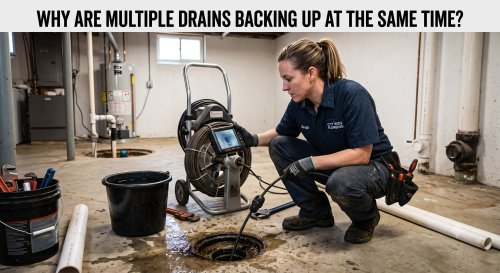
    ├── Multiple drains backing up simultaneously
    ├── Water spraying from walls, ceilings, or under slabs
    ├── Natural gas smells (leave the home first!)
    ├── Water heater tank actively leaking from its base
    └── Persistent sewage smells or outdoor soggy patches
When DIY Becomes Dangerous
-
Using Chemical Drain Cleaners: Caustic store-bought chemicals generate intense heat inside pipes. This heat can warp PVC lines, soften older cast iron, and splash back onto skin or eyes. Chemical cleaners also leave corrosive pools in pipes that make manual clearing far more hazardous for technicians.
-
Over-Tightening Compression Fittings: Tightening a leaking pipe fitting beyond manufacturer specifications frequently strips threads or cracks brass nuts, turning a minor drip into an uncontained, high-pressure line break.
-
Blindly Digging for Buried Pipes: Attempting to excavate underground sewer or water pipes without utility location checks risks striking electrical lines, gas mains, or fiber-optic cables.
Advanced Diagnostic Tools Used by Emergency Plumbers
Modern emergency plumbing relies on specialized diagnostic technology to find and fix hidden failures without destructive trial-and-error digging or wall demolition.
-
High-Resolution Sewer Inspection Cameras: Waterproof, self-leveling fiber-optic cameras travel through sewer lines to reveal structural cracks, root blockages, low spots (bellies), and pipe collapses in real time.
-
Electronic Acoustic Leak Detectors: Highly sensitive ground microphones that isolate the specific sound frequency of pressurized water escaping from pipes concealed beneath concrete slabs, driveways, or behind drywall.
-
Hydro Jetting Equipment: Industrial units that deliver water at pressures up to 4,000 PSI through specialized scouring nozzles, emulsifying grease, slicing through tree roots, and removing years of mineral buildup without abrasive chemicals.
-
Thermal Imaging Cameras: Infrared diagnostics detect temperature variances behind walls and under floors, mapping moisture pathways and finding hidden hot water leaks instantly.
How Long Do Emergency Plumbing Repairs Take?
Repair timelines depend on pipe accessibility, the extent of structural damage, and the availability of specialized replacement components.
-
Minor Emergency Repairs (1 to 2 Hours): Clearing standard main line blockages, rebuilding emergency shutoff valves, replacing cracked supply lines, or repairing accessible fixture leaks.
-
Moderate Emergency Repairs (2 to 5 Hours): Replacing failed water heaters, repairing pressurized copper lines inside drywall, or clearing heavy root blockages with hydro jetting.
-
Major Infrastructure Repairs (1 to 2 Days): Complete underground sewer main replacements, rerouting under-slab supply lines through attics, or fixing multi-story pipe failures.
Understanding Emergency Plumbing Cost Factors
Emergency plumbing pricing is determined by several practical variables rather than a generic flat fee.
Industry Cost Reality: Plumbing repair costs vary depending on the severity of the problem, accessibility of the pipes, materials required, emergency dispatch timing (such as late nights, weekends, or holidays), property type, and local labor rates.
Key components that shape the final cost include:
-
Diagnostic and Dispatch Fees: Covers the travel, specialized equipment setup, and dedicated on-call availability of a licensed technician outside normal business hours.
-
Labor and Timing: Emergency calls handled at midnight, over holiday weekends, or during severe weather conditions involve after-hours labor structures to maintain continuous staffing.
-
Materials and Parts: High-grade materials like type-L copper, commercial-grade shutoff valves, and high-efficiency water heating units carry different material costs than budget components.
-
Accessibility and Demolition: A pipe repair in an open garage requires far less labor than a leak buried beneath a tiled concrete slab or sealed behind custom kitchen cabinetry.
-
Permitting and Code Compliance: Major repairs involving main water services, gas lines, or full sewer replacements often require municipal permits and city inspections to verify code compliance.
Critical Plumbing Truths Every Property Owner Should Know
-
Small Pinholes Precede Major Floods: A minor green oxidation spot or tiny drip on a copper pipe indicates internal wall thinning. Left untreated, water pressure will eventually blow the weakened spot out completely.
-
Homeowners Insurance Rarely Covers Neglected Leaks: Insurance adjusters routinely deny water damage claims if evidence shows the leak was a continuous, neglected issue rather than a sudden, accidental pipe rupture.
-
"Flushable" Wipes Are Not Flushable: Non-woven wet wipes do not dissolve like toilet paper. They snag on minor pipe imperfections, bind with fats and oils, and create stubborn blockages in municipal and private sewer laterals.
-
High Water Pressure Destroys Fixtures: Water pressure exceeding 80 PSI voids fixture warranties, strains appliance solenoid valves on dishwashers and washing machines, and causes premature water heater failure.
-
Hard Water Silently Robs Appliance Efficiency: Untreated hard water leaves scale deposits that insulate water heater elements from the water, running up energy bills and shortening the tank's operational lifespan by up to 50%.
-
Annual Backflow and Valve Testing Saves Thousands: Main emergency shutoff valves that sit untouched for years often seize in the open position. When an actual pipe burst occurs, homeowners find themselves unable to stop the flow of water before the fire department or a plumber arrives.
15 Common Plumbing Mistakes Homeowners Make
-
Ignoring Slow Drains: Treating a slow drain as a minor inconvenience allows debris and hair to compact, turning a simple maintenance cleaning into a full sewer line backup.
-
Using Drop-In Chemical Toilet Tablets: Blue or bleach pucks placed inside toilet tanks degrade rubber flappers, fill valves, and plastic gaskets, causing chronic silent leaks into the bowl.
-
Hanging Heavy Items from Exposed Plumbing: Using basement or utility closet water pipes as storage racks bends copper joints and loosens solder seams.
-
Pouring Cooking Grease Down the Sink: Liquid cooking fat solidifies as it cools inside drain lines, coating pipe walls and acting as an adhesive for all other discarded food waste.
-
Operating Fixture Shutoff Valves Forcefully: Forcing an old, corroded oval gate valve can snap the internal stem, leaving the valve broken in the open or closed position.
-
Neglecting Water Heater Flushing: Allowing mineral sediment to accumulate at the bottom of a water heater creates a dense barrier that causes tank bottom overheating and eventual tank rupture.
-
Over-Tightening Plumbing Fittings: Stripping threads on showerheads, angle stops, and supply lines by using excessive wrench force.
-
Connecting Dissimilar Metals Directly: Joining copper directly to galvanized steel without a dielectric union creates galvanic corrosion, rapidly eating away the steel threads.
-
Using the Garbage Disposal as a Trash Can: Disposing of stringy celery, fibrous artichokes, coffee grounds, eggshells, and potato peelings quickly jams disposal blades and clogs trap assemblies.
-
Failing to Locate the Main Water Shutoff: Not knowing where the municipal water meter box or main house shutoff valve is located before an emergency occurs.
-
Leaving Garden Hoses Connected in Cold Snaps: Trapped water inside connected hoses freezes back into the exterior bib, rupturing the frost-free sillcock inside the wall.
-
Planting Moisture-Loving Trees Near Sewer Lines: Planting willow, ficus, or birch trees near sewer lateral easements leads to aggressive root infiltration.
-
Ignoring a Continuously Running Toilet: A worn flapper that runs non-stop can waste up to 200 gallons of water daily, adding hundreds of dollars to quarterly utility bills.
-
Hiring Uninsured, Unlicensed Handymen for Major Plumbing: Unlicensed work often violates building codes, risks poor pipe installation, and leaves the homeowner personally liable for property damage.
-
Delaying Small Slab Leak Repairs: Postponing repairs on minor foundation hot spots allows escaping water to wash away supporting soil, causing foundation settlement and cracking.
20 Essential Maintenance Tips for Fresno Properties
-
Test Your Main Water Shutoff Bi-Annually: Turn your main water shutoff valve off and on twice a year to ensure the internal ball or gate moves freely.
-
Install Stainless Steel Braided Hoses: Replace rubber washing machine and dishwasher hoses with burst-resistant stainless steel braided lines every five years.
-
Check Water Pressure Regularly: Use an inexpensive screw-on pressure gauge on an outdoor hose bib. Ensure your home pressure stays consistently between 50 and 70 PSI.
-
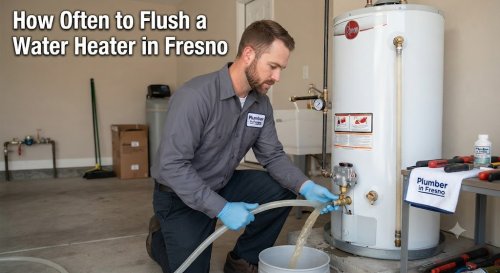
Flush Water Heaters Annually: Drain and flush your water heater tank every 12 months to remove accumulated scale, calcium, and sediment.
-
Inspect Toilet Fill Valves and Flappers: Conduct a food coloring test in your toilet tank once a year; if color seeps into the bowl within 15 minutes without flushing, replace the flapper.
-
Keep Grease in a Dedicated Container: Allow cooking oils and grease to solidify in metal cans or jars, then dispose of them in the trash instead of pouring them down the drain.
-
Clear Hair from Drain Covers Weekly: Use mechanical drain screens or hair catchers on all shower and tub drains to keep hair out of P-traps.
-
Inspect Exposed Pipes for Corrosion: Regularly check utility closets, basements, and under-sink cabinets for green discoloration (copper corrosion) or white crusty deposits (hard water scaling).
-
Maintain Clear Access to Cleanouts: Ensure your exterior sewer cleanout cap is visible, undamaged, and unobstructed by dirt, mulch, or landscaping.
-
Clean Aerators and Showerheads: Soak faucet aerators and showerheads in white vinegar every six months to dissolve mineral scale and maintain strong water flow.
-
Exercise Fixture Isolation Valves: Turn under-sink angle stops and toilet shutoff valves periodically to prevent mineral scale from seizing the valve stems.
-
Clean Garbage Disposal Units Naturally: Clean disposals with ice cubes and citrus peels to scour the grinding chamber without damaging internal seals.
-
Insulate Exposed Attic and Crawlspace Lines: Wrap accessible supply lines in unconditioned spaces to protect against Fresno’s occasional freezing winter nights.
-
Inspect Appliance Drain Pans: Verify that drain lines beneath washing machines and water heaters are clean and clear of dust or obstructions.
-
Install Whole-Home Water Conditioning: Consider a water softener or scale-reduction system to mitigate Fresno’s hard water and extend appliance lifespans.
-
Avoid Using Toilets for Non-Waste Items: Never flush paper towels, facial tissues, dental floss, feminine products, or wipes down the toilet.
-
Check Dishwasher Filter Baskets: Remove and rinse food debris from the bottom filter assembly of your dishwasher once a month.
-
Monitor Your Water Meter for Silent Leaks: Turn off all household fixtures, check the small leak indicator dial on your water meter, and see if it moves over a 30-minute window.
-
Maintain Sump Pumps and French Drains: Test backup sump pumps and clean exterior yard drain basins before the winter rainy season begins.
-
Schedule a Professional Plumbing Inspection: Have a licensed plumber evaluate your entire system, check pressure regulators, and inspect drain lines every two to three years.
When Should You Call an Emergency Plumber Immediately?
Call a 24 hour plumber in Fresno, CA immediately when faced with any of the following critical situations:
-
Active, Uncontrolled Water Flooding: Water is actively leaking from walls, ceilings, fixtures, or foundations and cannot be isolated with local shutoff valves.
-
Raw Sewage Backing Up into the Living Space: Waste is coming up through shower drains, tubs, or toilets, presenting a direct biohazard.
-
Suspected Gas Leaks: If you smell rotten eggs, evacuate your home immediately, call your gas utility or emergency services from a safe distance, and then call a licensed emergency plumber for repairs.
-
Ruptured Water Heater: The tank has cracked and is dumping water into your home or garage.
-
Complete Loss of Water Service: Your municipal connection is open, but no water flows to any fixtures across the entire property.
Frequently Asked Questions
Why is my water pressure suddenly low throughout the entire house?
A sudden, whole-house pressure drop typically indicates a ruptured main water supply line, a failed municipal line, or a catastrophic malfunction in your pressure reducing valve (PRV). Check with your neighbors to see if municipal work is underway; if their pressure is normal, call an emergency plumber to test your supply line for underground breaks.
How do I know if I have a hidden slab leak?
Common indicators of a slab leak include hot or warm spots on your floor, the sound of running water when all taps are closed, unexplained increases in your water bill, damp baseboards, or cracks appearing in your drywall and foundation.
Can hydro jetting damage my older plumbing pipes?
When performed by a trained, licensed professional using proper pressure adjustments, hydro jetting is safe for sound cast-iron and clay pipes. A professional will always perform a camera inspection first to verify that the pipe is structurally sound before hydro jetting.
Why does my toilet keep overflowing even after plunging?
If plunging does not clear an overflowing toilet, the blockage is likely located deeper in the waste stack or in the main sewer line. When multiple fixtures gurgle or back up when the toilet is flushed, the main sewer line is obstructed and requires mechanical snaking or hydro jetting.
How long does a standard residential water heater last in Fresno?
Due to Fresno's mineral-rich hard water, conventional tank water heaters typically last between 8 and 12 years. Regular annual maintenance, such as flushing sediment and replacing sacrificial anode rods, helps extend the unit's operating life.
What should I do first if a water pipe bursts in my wall?
Locate your property's main water shutoff valve immediately and turn it fully clockwise (or perpendicular to the pipe if it is a ball valve) to cut off the water supply. Once the water is off, open your lowest outdoor hose bibs to drain the remaining water from the system, and call an emergency plumber at 844-833-2093.
Are chemical drain cleaners safe for clearing emergency clogs?
No. Chemical drain cleaners contain sulfuric acid or sodium hydroxide, which generate excessive heat inside pipes. This heat can warp plastic pipes, damage cast-iron joints, and create hazardous conditions for technicians who need to service the line manually.
Why do my drains make a gurgling sound when the washing machine runs?
Gurgling drains indicate that your plumbing vents are blocked or that the main sewer lateral is partially clogged. As water drains, it pulls air through nearby fixture P-traps instead of the roof vent, producing a distinct bubbling sound.
How can I tell if tree roots have broken into my sewer line?
Frequent drain backups, slow drainage across multiple fixtures, recurring foul sewer odors in your yard, or unusually lush, green patches of grass over your sewer line easement point to root intrusion. A sewer camera inspection can confirm the location and severity of the roots.
What is the difference between a standard plumber and a 24-hour emergency plumber?
A standard plumber operates primarily during scheduled business hours for routine installations and non-urgent repairs. A 24-hour emergency plumber maintains fully equipped service vehicles, on-call diagnostic specialists, and rapid-dispatch capabilities around the clock to address urgent, property-threatening failures at any hour.