Emergency Plumber in Fresno, CA: Complete Homeowner Diagnostic & Repair Guide
A sudden plumbing failure can turn a peaceful evening into an expensive, stressful disaster within minutes. Whether a supply line ruptures under a bathroom vanity in Woodward Park, raw sewage backs up through a shower drain in Clovis, or a water heater splits open in the middle of the night in Tower District, plumbing crises do not wait for regular business hours.

Understanding what causes these sudden breakdowns, what safety steps to take immediately, and when to call a professional Emergency Plumber in Fresno, CA can mean the difference between a simple valve replacement and tens of thousands of dollars in structural water damage remediation.
                         EMERGENCY SHUTOFF CHECKLIST
                                      │
              ┌───────────────────────┴───────────────────────┐
              ▼                                               ▼
     [ Fixture-Level Leak ]                         [ Uncontrolled Flooding ]
  Turn chrome angle stop valve                   Turn Main Shutoff Clockwise
  clockwise under the sink/toilet                (Found near street or garage)
              │                                               │
              └───────────────────────┬───────────────────────┘
                                      ▼
                        Turn OFF Water Heater Breaker
                                      │
                                      ▼
                         Call: 844-833-2093
What Is an Emergency Plumbing Situation?
An emergency plumbing situation is any sudden, uncontrolled plumbing failure that actively damages property, compromises clean water supplies, creates biological hazards, or leaves a home or commercial building without functional sanitation.
Unlike routine maintenance—such as a slow-dripping faucet or an intermittent toilet running sound—a plumbing emergency requires an immediate response to stop water flow and stabilize the building.
-
Uncontained Flooding: Water actively discharging from a pressurized pipe, ceiling, or wall cavity.
-
Sanitary Sewer Surges: Wastewater backing up into bathtubs, floor drains, or toilets due to a main sewer line blockage.
-
Loss of Essential Water: Complete loss of running water or hot water during extreme temperatures.
-
Gas Line Leaks: Suspected natural gas odors near water heaters or gas-fired appliances (requiring immediate evacuation and utility notification).
Why Do Sudden Plumbing Emergencies Happen in Fresno?
Plumbing failures rarely happen without underlying structural, environmental, or mechanical factors. Throughout Fresno County and the Central Valley, several specific environmental and physical factors drive emergency service calls:
┌─────────────────────────────────────────────────────────────────────────┐
│                    PRIMARY CAUSES OF SYSTEM FAILURES                    │
├──────────────────────┬──────────────────────────────────────────────────┤
│ Central Valley Soils │ Expansive clay shifts during drought/rain cycles │
│ Mineral Buildup      │ Hard municipal well water corrodes copper lines  │
│ Extreme Heat         │ Attic water lines degrade under 105°F+ summers   │
│ Aging Infrastructure │ Galvanized iron pipes rust and scale internally  │
│ Root Intrusion       │ Fig and valley oak roots breach clay sewer lines │
└──────────────────────┴──────────────────────────────────────────────────┤
-
Central Valley Soil Shifts: Fresno sits on expansive clay soils that shrink dramatically during hot, dry summers and swell rapidly during winter rains. This shifting ground puts immense shearing force on underground sewer laterals, water mains, and slab pipes.
-
Hard Water Mineral Scaling: Water sources across the San Joaquin Valley contain elevated levels of dissolved calcium and magnesium. Over years, this hard water creates mineral scale inside copper pipes, valves, and water heaters, causing premature corrosion (pinhole leaks) and valve failures.
-
Triple-Digit Summer Thermal Stress: Fresno’s summer temperatures frequently surpass 100°F. Attic temperatures can exceed 130°F, creating extreme thermal expansion in overhead CPVC and PEX lines, accelerating joint stress.
-
Aging Galvanized and Cast-Iron Lines: Homes built between the 1940s and 1980s across central Fresno often still rely on galvanized steel water pipes or cast-iron drain lines. These materials corrode from the inside out, leading to hidden pinhole leaks and pipe collapse.
-
Aggressive Tree Root Intrusion: Fast-growing tree species seek moisture during the dry summer months, infiltrating microscopic joints in older clay or concrete sewer pipes.
Critical Warning Signs You Should Never Ignore
Plumbing systems usually provide subtle warning signals before a catastrophic failure occurs. Recognizing these indicators early allows you to schedule repairs before an emergency develops.
                  PROGRESSION OF UNRESOLVED LEAKS
   [ Low Pressure / Stains ]  ──►  [ Drywall Softening ]  ──►  [ Structural Failure ]
              │                              │                              │
              ▼                              ▼                              ▼
     Minor Joint Seepage             Mold / Wood Rot               Pinhole Rupture
-
Sudden Water Pressure Drops: If water pressure plunges simultaneously across multiple fixtures, it indicates a ruptured main line or a severe municipal backflow event.
-
Unexplained Water Bill Spikes: A noticeable jump in monthly water consumption without a change in household usage points directly to a hidden slab leak or underground supply line fracture.
-
Gurgling Fixtures and Slow Drains: When using the washing machine causes the toilet to bubble or water backs up into the shower pan, the main sewer lateral is obstructed and on the verge of a complete backup.
-
Warm Spots on Hard Flooring: If tile, vinyl, or concrete feels noticeably warm underfoot, hot-water copper lines beneath the concrete foundation slab may have ruptured.
-
Persistent Musty Odors and Wall Discoloration: Wet framing studs, bubbling baseboards, or peeling paint indicate continuous, slow-dampness leaks behind drywall.
Common Emergency Plumbing Disasters We Resolve
| Emergency Type | Primary Hazard | Initial Immediate Action | Professional Repair Method |
| Burst Supply Lines | Uncontrolled flooding (10–20 GPM) | Shut off the whole-house main valve | Sectional pipe replacement (PEX/Copper crimp) |
| Sewer Line Backups | Class 3 biohazard water damage | Stop running all household water | High-pressure hydro jetting or line excavation |
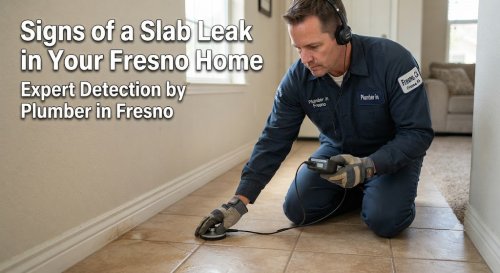
| Slab Leaks | Foundation erosion and mold growth | Shut off supply; switch off water heater | Electronic acoustic location & pipe rerouting |
| Water Heater Ruptures | 40–80 gallons of scalding floodwater | Shut off cold inlet valve & electrical breaker | Emergency tank replacement & expansion tank check |
| Overflowing Toilets | Flooring and structural framing rot | Turn chrome angle-stop clockwise immediately | Mechanical augering, wax ring reset, or line clear |
Step-by-Step Professional Emergency Repair Process
When an urgent plumbing failure happens, seasoned technicians follow a clear diagnostic protocol to resolve the issue safely and permanently:
┌──────────────┐     ┌──────────────┐     ┌──────────────┐     ┌──────────────┐
│ 1. Contain   │ ──► │ 2. Diagnose  │ ──► │ 3. Estimate  │ ──► │ 4. Execute   │
│ & Stabilize  │     │ & Locate     │     │ & Approve    │     │ & Validate   │
└──────────────┘     └──────────────┘     └──────────────┘     └──────────────┘
-
Step 1: Rapid Isolation & Site Stabilization: The technician immediately identifies and closes relevant isolation valves, verifies electrical safety near standing water, and stabilizes structural access points.
-
Step 2: Advanced Diagnostic Assessment: Using specialized testing tools—including inline HD cameras, pressure gauges, and thermal sensors—the plumber pinpoints the exact point of failure without unnecessary exploratory demolition.
-
Step 3: Upfront Solution Review: The technician explains the underlying failure mechanism, outlines repair options (such as direct localized repair vs. full-line replacement), and provides a clear, itemized quote before work begins.
-
Step 4: Code-Compliant Repair: The technician carries out the repair using professional-grade tools, heavy-duty replacement fittings, and industry-standard materials (such as Type L copper, Schedule 40 PVC, or ASTM-certified PEX-A).
-
Step 5: Hydrostatic & Operational Testing: Once installed, the system is brought back up to operational pressure and monitored under load to ensure joints and seals hold firm.
-
Step 6: Sanitization & Site Cleanup: The work area is cleaned of debris, dirty water residue is treated, and old failed components are removed for proper disposal.
-
Step 7: Preventive Guidance: The plumber provides actionable maintenance recommendations, reviews system water pressure, and flags any adjacent plumbing risks.
Safe DIY Mitigation vs. When to Stop
During an active plumbing crisis, your first priority is damage mitigation, not full system repair. Attempting complex DIY repairs under pressure often worsens structural damage and voids manufacturer warranties.
What You Can Safely Do:
-
Shut Off Fixture Isolation Valves: Turn the small oval handles under sinks or behind toilets clockwise until snug.
-
Shut Down the Main Water Meter Valve: Locate your main shutoff gate valve or ball valve (commonly in the garage, on the front exterior wall, or inside a ground curb box near the sidewalk) and shut it completely.
-
De-energize Water Heaters: Switch off the circuit breaker for electric water heaters, or turn the gas control knob to "PILOT" or "OFF" on gas units to prevent dry-firing the tank.
-
Clear Standing Surface Water: Use wet/dry vacuums, mop buckets, and towels to prevent water from soaking into subfloors and baseboards.
When DIY Becomes Dangerous:
-
Never open sewer cleanouts if wastewater is under pressure without appropriate PPE.
-
Never handle water lines located near electrical service panels or outlets.
-
Never use caustic liquid chemical drain openers; they generate heat that softens PVC pipes, corrodes brass, and poses severe chemical burn risks to plumbers running mechanical snakes.
Specialized Diagnostic Equipment Used by Professionals
┌────────────────────────┬────────────────────────────────────────────────┐
│ Equipment              │ Practical Application                          │
├────────────────────────┼────────────────────────────────────────────────┤
│ Inline Sewer Cameras   │ Locates offsets, tree roots, and bellies       │
│ Acoustic Leak Detectors│ Hears micro-vibrations of pressurized slab leaks│
│ High-Flow Hydro Jetters│ Scours grease and scale using 3,000–4,000 PSI  │
│ Digital Manometers     │ Verifies precise gas and water line pressures  │
│ Pipe Freezing Systems  │ Freezes local pipes for valve swaps without shutoff│
└────────────────────────┴────────────────────────────────────────────────┘
Modern emergency plumbing relies on non-invasive diagnostic technologies. Self-leveling sewer inspection cameras capture real-time footage of drain pipes, while electro-acoustic leak detectors and thermal imaging cameras find hidden leaks behind tile and under concrete slabs—saving time and preserving your home's walls and flooring.
How Long Do Typical Emergency Repairs Take?
EMERGENCY REPAIR TIMELINE EXPECTATIONS

[ Minor Fixture Swap / Angle Stop ]
  ├── 1 to 2 Hours

[ Main Line Drain Hydro Jetting ]
  ├── 2 to 3 Hours

[ Slab Leak Direct Patch / Overhead Reroute ]
  ├── 4 to 8 Hours

[ Full Underground Sewer Lateral Replacement ]
  └── 1 to 2 Days
-
Minor Mechanical Repairs (1–2 Hours): Replacing failed shutoff valves, emergency wax ring resets, or rebuilding failed pressure regulator valves (PRVs).
-
Moderate Drainage & Line Clearances (2–3 Hours): Heavy mechanical snaking, main lateral hydro jetting, and clearing localized blockages.
-
Major Structural Repairs (4–8 Hours): Emergency water heater change-outs, direct slab-leak concrete breakouts, and ceiling water pipe repairs.
-
Complex System Restorations (1–2 Days): Full underground water service trenching, exterior sewer lateral installations, or whole-house repipes.
Key Factors That Determine Repair Costs
Plumbing repair costs vary depending on the severity of the problem, accessibility, materials required, emergency service, property type, and local labor rates.
-
Diagnostic Accessibility: A pipe leak easily accessed inside an open vanity costs significantly less to repair than a pinhole rupture located underneath a post-tension concrete foundation.
-
Parts and Material Specifications: Heavy-gauge commercial copper, high-grade brass quarter-turn valves, and tankless water heaters carry different material costs than basic plastic components.
-
After-Hours Labor: Work performed at 2:00 AM on a weekend or during major holidays involves after-hours mobilization rates to cover around-the-clock staffing.
-
Municipal Permitting & Inspections: Extensive repairs involving water heater change-outs, gas line modifications, or underground sewer replacements require city permits and code compliance inspections from the City of Fresno or Clovis building departments.
Hidden Truths Every Property Owner Should Know
-
Small Leaks Are Always More Expensive Later: A 1/16-inch pinhole leak wastes up to 250 gallons of water daily, rotting structural framing and creating toxic mold inside wall cavities long before water pools on the floor.
-
Insurance Companies Deny Gradual Damage Claims: Most homeowner insurance policies cover sudden and accidental pipe bursts, but regularly deny claims if evidence shows the leak was an unaddressed, long-term maintenance issue.
-
Chemical Drain Cleaners Destroy Plumbing Infrastructure: Liquid chemical drain cleaners eat away at internal metal pipe walls and generate high heat that warps plastic pipes.
-
Hard Water Takes Years Off Appliance Life: Without regular flushing or scale-reduction systems, Central Valley hard water can cut the lifespan of standard water heaters from 10–12 years down to 5–7 years.
-
Trees Continuously Target Underground Sewer Lines: Once roots penetrate a clay pipe hub, snaking only offers temporary relief; the root mass will grow back within months unless the pipe is structurally lined or replaced.
15 Costly Mistakes Homeowners Make
-
Ignoring a Dripping Pressure Relief Valve: Never cap or plug a leaking Temperature & Pressure (T&P) valve on a water heater; doing so can cause dangerous over-pressurization.
-
Using "Flushable" Wipes: Non-woven wipes do not break down like toilet paper. They snag on pipe offsets and create severe main-line clogs.
-
Pouring Grease Down the Kitchen Drain: Warm cooking fats congeal into dense blockages further down the cooler subterranean drainage system.
-
Hiring Uninsured Handymen: Always hire a fully licensed, bonded, and insured C-36 plumbing contractor to protect yourself from property damage liabilities.
-
Letting City Water Pressure Exceed 80 PSI: High municipal line pressure strains appliance supply hoses, seals, and fixtures.
-
Operating Valves with Excessive Force: Overtightening seized brass gate valves can snap the stem, turning a slow leak into an active flood.
-
Neglecting Water Heater Anode Rods: Failing to inspect sacrificial anode rods allows mineral corrosion to attack the tank's steel lining directly.
-
Hanging Heavy Objects from Exposed Overhead Pipes: Using basement or garage copper lines to support storage items damages joints and solder seals.
-
Leaving Garden Hoses Connected in Cold Snaps: Trapped water inside connected hoses freezes back into the sillcock, splitting the wall pipe.
-
Using Harsh Chemical Tank Cleaners in Toilets: Drop-in chlorine tablets break down rubber flappers and fill valve gaskets, causing silent internal leaks.
-
Burying Cleanout Access Points: Landscaping or paving over your home's main sewer cleanout caps delays emergency response times.
-
Mixing Dissimilar Metals Without Dielectric Unions: Connecting copper directly to galvanized pipe triggers rapid galvanic corrosion that destroys the joint.
-
Failing to Test the Main Shutoff Valve Regularly: Gate valves can freeze open over time. Test your main shutoff valve once a year to ensure it turns smoothly.
-
Over-tightening Plastic P-Traps: Hand-tightening slip nuts is all that's needed; using wrenches on thin plastic threads cracks the compression seal.
-
Treating Garbage Disposals Like Trash Cans: Disposing of fibrous foods (celery, potato peels, cornhusks) binds the impeller blades and blocks drain lines.
Comprehensive Year-Round Preventive Maintenance Checklist
┌─────────────────────────┬────────────────────────────────────────────────┐
│ Season                  │ Action Item                                    │
├─────────────────────────┼────────────────────────────────────────────────┤
│ Spring                  │ Inspect outdoor spigots, clear sewer cleanouts │
│ Summer                  │ Test water pressure, check A/C condensate line │
│ Fall                    │ Drain sediment from water heater, inspect hoses│
│ Winter                  │ Insulate exposed exterior/crawlspace piping    │
│ Year-Round              │ Treat drains with enzyme bio-cleaners monthly  │
└─────────────────────────┴────────────────────────────────────────────────┘
-
Monthly Routine Inspections:
-
Visually inspect braided stainless steel supply lines under every sink and toilet.
-
Clear hair and soap scum from tub and shower strainers using mechanical zip tools.
-
Check the floor around your water heater for signs of moisture or rust flakes.
-
-
Quarterly System Tune-ups:
-
Clean sink faucet aerators to remove accumulated hard water mineral sand.
-
Manually test every individual fixture shutoff valve by turning it off and on.
-
Run water through rarely used basement, utility, or guest bathroom floor drains to keep P-trap vapor seals full.
-
-
Annual Heavy Maintenance:
-
Completely flush the water heater storage tank to clear settled mineral sediment.
-
Test whole-home static water pressure at an exterior hose bib using a pressure gauge.
-
Have a professional inspect your main sewer line with an inline camera if your property has mature landscape trees.
-
When Should You Call an Emergency Plumber in Fresno, CA?
Call for immediate 24/7 emergency service if you experience any of the following critical failures:
-
An uncontrolled water supply leak that cannot be stopped using local fixture shutoffs.
-
Multiple drains backing up simultaneously with foul-smelling blackwater.
-
Structural flooding inside wall cavities, ceilings, or finished floors.
-
The smell of natural gas near your water heater or mechanical room.
-
A sudden, complete loss of running water to your entire home or business.
                  EMERGENCY DISPATCH PROTOCOL
   ┌────────────────────────────────────────────────────────┐
   │ 1. Isolate the source or shut down the main valve.     │
   │ 2. Move valuables away from standing water.            │
   │ 3. Contact our 24/7 Emergency Dispatch: 844-833-2093   │
   └────────────────────────────────────────────────────────┘
Frequently Asked Questions
Why is my home's water pressure suddenly low everywhere?
A sudden, whole-house drop in water pressure typically points to an unseated main shutoff valve, a failed pressure reducing valve (PRV), a broken main underground water line, or an unexpected municipal supply interruption.
How much does professional leak detection cost?
Plumbing repair costs vary depending on the severity of the problem, accessibility, materials required, emergency service, property type, and local labor rates. Non-invasive acoustic and thermal slab leak detection provides an accurate quote after evaluating the depth and construction of your home's foundation.
Can a minor clogged drain damage my home's pipes?
Yes. Blockages leave stagnant water sitting inside your drainage system, creating head pressure on joints and accelerating corrosion in aging cast-iron and galvanized piping.
Is hydro jetting safe for older pipes?
Hydro jetting is safe when preceded by an inline camera inspection. A camera check confirms whether older cast-iron or clay pipes are structurally sound enough for high-pressure washing, or if physical root intrusion has already cracked the line.
How do I know if my underground sewer line is broken?
Common signs of a broken sewer lateral include recurring backups across multiple ground-floor fixtures, sewer gas odors in the yard, lush patches of grass above the sewer line, and physical sinkholes forming in your landscaping or driveway.
How long does a standard residential water heater last?
Tank-style water heaters generally last between 8 to 12 years. In regions with hard mineral water like Fresno, service life can decrease unless the tank is flushed annually and the sacrificial anode rod is routinely serviced.
What causes clean water pipes to burst indoors?
Pinhole failures are typically caused by long-term internal corrosion, high household water pressure (over 80 PSI), mechanical vibration against framing studs, or sudden freezes during winter cold snaps.
Can hidden plumbing leaks cause high utility bills?
Yes. An unaddressed running toilet can waste several hundred gallons of water daily, while a broken underground irrigation or slab supply line can easily add hundreds of dollars to your monthly utility bill.
When should I replace an old pipe rather than repair it?
If a plumbing line has developed multiple localized pinhole leaks, shows extensive exterior corrosion, or consists of deteriorated galvanized steel or polybutylene, a complete repipe is more cost-effective than continuous spot repairs.
What should I do while waiting for the emergency plumber to arrive?
Shut off the main water valve, turn off the electrical breaker to your water heater, move furniture and rugs away from wet areas, and take photos of the initial damage for your insurance documentation.