How to Fix a Running Toilet | Expert Guide
Stop wasting water! Learn how to fix a toilet that keeps running with this expert guide by Plumber in Fresno. Fast, reliable troubleshooting tips.

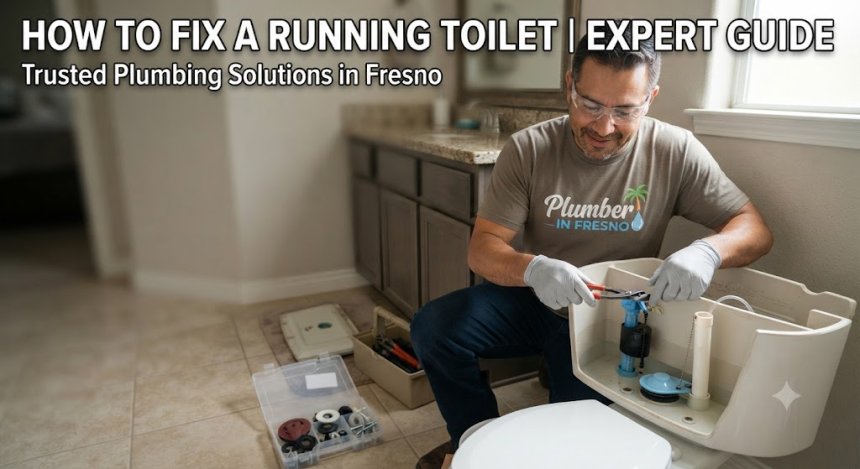
Few household sounds are as irritating—or as silently destructive to your utility bill—as the endless hiss of water trickling into a toilet bowl long after the flush is complete. When you are dealing with a toilet that keeps running after flushing, you are literally watching hundreds of gallons of treated municipal water pour straight down the drain every single day. Homeowners throughout the Central Valley frequently encounter this issue due to the region's unique mineral-heavy water supply, which wears down delicate rubber and plastic tank components faster than normal. Ignoring a running toilet will quickly inflate your monthly water utility expenses and can eventually lead to unexpected valve failures, internal tank condensation pooling on your bathroom floor, and unnecessary strain on your home’s municipal water supply lines.
What Is Toilet Flush Mechanism Failure? Decoding the Mechanism
To understand why a toilet refuses to stop running, you have to look inside the porcelain tank, which acts as a precision-engineered gravity-feed water reservoir.
-
The Ideal Flow: When you press the handle, a connected lift chain pulls the flapper valve open, allowing stored water to rush rapidly into the bowl to evacuate waste. Once emptied, the flapper drops back down to seal the flush valve opening, and a buoyant float drops, opening the fill valve so fresh water can refill the tank to the precise waterline before shutting off automatically.
-
The Failure Mode: When this delicate balance fails, either the flapper fails to form a watertight seal over the drain hole, or the fill valve float is misadjusted or stuck, causing water to continuously rise past the overflow tube and down the drain.
-
Local Context: In older Fresno neighborhoods like the Tower District or Fig Garden, older toilets with worn porcelain seats or outdated ballcock assemblies are particularly susceptible to erratic sealing and persistent running issues.
Root Causes: Why This Problem Occurs in Fresno Homes
Toilet component degradation rarely happens in a vacuum; it is heavily influenced by local environmental conditions and the physical aging of plumbing hardware.
-
Hard Water Mineral Scaling: Fresno relies heavily on groundwater sources that contain high concentrations of dissolved minerals like calcium and magnesium. Over time, hard water calcification builds up crusty white scale along the rubber flapper rim and the flush valve seat, preventing a clean, airtight seal.
-
Material Degradation and Rubber Breakdown: Constant exposure to municipal water treatment additives causes standard rubber flappers and tank gaskets to warp, soften, or crack over time, losing the flexible memory required to snap shut securely.
-
Chain and Lever Interference: Interior tank components are prone to mechanical wear. A corroded lift chain that is adjusted too tightly will hold the flapper slightly ajar, preventing it from resting flat against the valve opening.
-
Water Pressure Fluctuations: Municipal pressure shifts throughout Fresno's varying elevation zones can put excess stress on older plastic fill valve diaphragms, causing them to stick open or fail to shut off completely at high water levels.
Critical Warning Signs: When Your Home is Sounding the Alarm
Long before your toilet overflows or completely stops functioning, it provides distinct auditory and visual indicators that require your attention.
-
Auditory Clues: Listen for a continuous, faint hissing sound inside the tank, or intermittent "ghost flushing" where the toilet inexplicably refills on its own every few minutes without anyone touching the handle.
-
Visual Water Movement: If you notice fine ripples or a constant stream of water trickling down the inside walls of the toilet bowl long after a flush cycle has finished, your tank seal has been compromised.
-
Unexplained Water Bill Spikes: A minor running toilet can waste upwards of 200 gallons a day, leading to a surprisingly high monthly water utility bill that serves as an undeniable financial alarm bell.
Professional Diagnostic & Repair Workflow
Licensed, insured master plumbers approach toilet mechanism repairs with a methodical, non-destructive diagnostic process to ensure long-term reliability.
-
Step 1: Non-Invasive Triage & Safety Isolation: Technicians evaluate the continuous water flow, shut off the dedicated supply valve beneath the toilet bowl, and drain the tank safely.
-
Step 2: Precision Diagnostic Inspection: Plumbers inspect the condition of the flapper, flush valve seat, fill valve assembly, float height, and lift chain tension to identify the exact point of failure.
-
Step 3: Transparent, Upfront Options & Written Estimating: Homeowners are presented with clear, flat-rate pricing options, outlining whether a simple component replacement or a complete internal tank overhaul is necessary.
-
Step 4: Code-Compliant Remediation & Part Replacement: Faulty components are replaced using high-grade, commercial-quality materials designed to resist local mineral corrosion and meet strict plumbing codes.
-
Step 5: Pressure Testing, Flow Verification, & Clean: The supply valve is reopened, the tank is filled, and multiple test flushes are performed to verify proper water levels, zero leaks, and a silent, complete shut-off.
Advanced Diagnostics: The Professional Tool Arsenal
While fixing a running toilet often seems straightforward, professional technicians rely on specialized equipment to diagnose underlying system problems accurately.
-
Digital Manometers for Pressure Testing: Used to measure exact home water pressure levels, ensuring that high pressure isn't prematurely blowing out fill valves or causing continuous cycling.
-
Acoustic Leak Detection Gear: Specialized listening devices used to identify hidden micro-leaks or silent running valves that waste water behind walls or inside subfloor assemblies.
-
Precision Thermal Imaging Cameras: Handheld infrared tools used to detect moisture accumulation, damp subfloors, or slow seal leaks around the base of the toilet fixture.
-
Specialized Hardware Extraction Tools: Professional-grade socket sets and basin wrenches designed to remove rusted, corroded tank-to-bowl bolts without cracking fragile porcelain.
DIY Reality Check: What You Can Safely Fix vs. When to Step Back
-
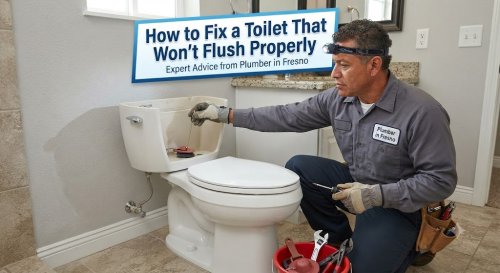
Safe Actions: You can safely test and adjust the flapper chain slack, wipe away mineral scale from the flapper seat using a non-abrasive pad, or adjust the fill valve float clip to lower the water level beneath the overflow tube.
-
The Danger Zone: Never overtighten plastic tank-to-bowl bolts or supply line connections using excessive force with metal wrenches, as over-torquing can easily shatter the porcelain tank and cause indoor flooding.
-
When to Call a Pro: If replacing the flapper and fill valve does not stop the running water, if the flush valve seat itself is pitted and warped beyond repair, or if the shut-off valve beneath the toilet is stuck or leaking, drop the tools and call a licensed professional immediately.
Financial Breakdown: Cost Factors & Investment Realities
Plumbing repair pricing reflects the quality of replacement parts, labor expertise, and the time required to restore your fixture to peak efficiency.
-
Service Dispatch & Diagnostics: Standard service call fees cover technician travel time and a comprehensive inspection of your bathroom fixtures.
-
Component Complexity: Replacing a standard rubber flapper is a minor, low-cost repair, whereas replacing an entire corroded fill valve and flush valve assembly involves more labor time and material input.
-
Fixture Age and Condition: Older, obsolete toilet models may require specialized or universal adapter kits to source compatible replacement parts.
-
Associated Supply Line Upgrades: Upgrading an outdated, rigid copper supply line to a flexible stainless steel braided hose adds minimal material cost but prevents catastrophic burst-pipe emergencies.
Unique Expert Insights: Hard Truths Homeowners Learn Too Late
-
Applying temporary glue, tape, or silicone patches to a warped rubber flapper only provides a false sense of security and will fail within days, wasting more water in the long run.
-
Ignoring a running toilet can silently double your household water consumption, resulting in hundreds of dollars in wasted utility charges over the course of a single year.
-
Unlicensed handymen often overtighten tank bolts or misalign internal components, creating hidden stress fractures in the porcelain that lead to sudden, catastrophic tank leaks.
-
Investing in a high-efficiency toilet upgrade or routine minor maintenance plan costs significantly less than dealing with emergency water damage remediation on warped bathroom subfloors.
Comprehensive Home Plumbing Maintenance Framework
-
Spring & Summer Checks: Inspect outdoor hose bibs, test your main water shut-off valve to ensure it turns freely in an emergency, and check your irrigation system for hidden leaks.
-
Fall & Winter Preparation: Insulate any exposed bathroom or garage plumbing lines against unexpected cold snaps, and flush your water heater to prevent mineral sediment accumulation.
-
Year-Round Habits: Regularly check your toilet tanks for silent leaks by dropping a few drops of food coloring into the tank, avoid flushing non-flushable wipes or sanitary items, and test your toilet handle movement monthly.
Emergency Protocol: When Immediate Dispatch is Non-Negotiable
-
Call a 24/7 emergency plumber immediately if your toilet supply line snaps or begins actively spraying water under pressure, threatening to flood your home.
-
Immediate professional dispatch is required if a severe main sewer backup causes your toilet to overflow with raw sewage, or if persistent leaks compromise structural subflooring near electrical outlets.
Frequently Asked Questions (FAQs)
Why does my toilet run intermittently every few minutes without being touched?
This phenomenon, known as a "ghost flush," is almost always caused by a slowly deteriorating flapper or a warped flush valve seat that allows water to leak out of the tank bit by bit until the water level drops enough to trigger the fill valve.
How do I check if my running toilet has a silent leak?
Remove the toilet tank lid and add a few drops of dark food coloring into the water. Wait 15 to 20 minutes without flushing; if the color seeps down into the toilet bowl water, you have a leaking flapper that needs immediate replacement.
Can high water pressure in Fresno cause my toilet to run?
Yes. If your home's water pressure regulator is failing and allowing excessive pressure into your plumbing system, it can overpower the fill valve shut-off mechanism and cause water to constantly spill into the overflow tube.
Is it difficult to replace a toilet flapper myself?
Replacing a standard flapper is generally a straightforward DIY task. You simply turn off the water supply, drain the tank, unhook the old flapper from the flush valve pegs, and snap the new one into place.
Why is my fill valve constantly hissing?
A continuous hiss indicates that the fill valve is failing to close completely when the water reaches its target level, usually due to mineral buildup jamming the internal diaphragm seal or a float that is improperly adjusted.
Should I repair an old running toilet or replace the entire fixture?
If your toilet is more than 20 to 30 years old, constantly requires component replacements, or uses 3.5 to 5 gallons per flush, investing in a modern high-efficiency toilet will save you money on water bills and eliminate recurring repair headaches.
Can chemical tank tablets damage my toilet components?
Yes. Drop-in chemical bleach or chlorine tablets sold in grocery stores contain harsh acids that slowly eat away at rubber flappers, seals, and plastic fill valve components, voiding many manufacturer warranties.
What should I do if the water shut-off valve under my toilet won't turn?
Do not force it with excessive leverage, as older gate valves can easily snap off at the wall nipple and cause an uncontrolled flood. Turn off your home's main water supply valve and call a licensed plumber to replace the faulty fixture.