Tree Root Sewer Damage Fresno: Early Warning Signs
Spot tree root sewer damage in Fresno before sewage backs up. Learn warning signs, costs, trenchless repair options, and prevention tips.

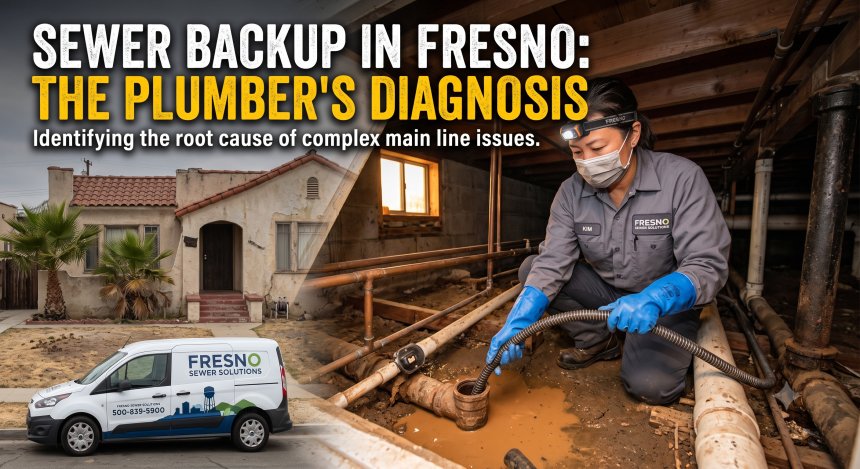
Tree Root Damage to Sewer Lines in Fresno: Warning Signs
Underneath the mature landscaping of Fresno’s most charming neighborhoods lies a constant battle between your home's wastewater system and nature. If you are experiencing slow drains or gurgling toilets, understanding Tree Root Damage to Sewer Lines in Fresno: Warning Signs is the most crucial step you can take to prevent catastrophic wastewater flooding inside your home.
In the semi-arid climate of the San Joaquin Valley, mature shade trees—such as Chinese elms, valley oaks, ash, and ficus—are essential for lowering cooling costs and providing canopy cover. However, during hot, rainless valley summers, these expansive root systems aggressively seek subterranean moisture, oxygen, and nutrients. Your underground sewer lateral line acts as an ideal oasis. Once fine root hairs discover a microscopic crack or loose joint in your sewer pipe, they invade, multiply, and can quickly crush the line completely.
What Is Tree Root Intrusion in Sewer Lines?
Tree root intrusion happens when subterranean root networks detect moisture vapors escaping from underground sewer pipes and physically penetrate the pipe walls or joints.
[ Tree Root System in Dry Valley Soil ]
                 │
                 ▼ (Seeks Moisture Vapor)
  ┌──────────────────────────────┐
  │ Micro-Crack / Open Pipe Joint│
  └──────────────┬───────────────┘
                 ▼ (Hairline Root Enters)
┌──────────────────────────────────────────────┐
│  Warm Water + Organic Nutrients Inside Pipe  │
└──────────────────────┬───────────────────────┘
                       ▼ (Rapid Growth)
┌──────────────────────────────────────────────┐
│ Dense Root "Hedge" Catches Solids & Waste    │
└──────────────────────┬───────────────────────┘
                       ▼
    [ COMPLETE SEWER LATERAL BLOCKAGE ]
How the Invasion Progresses
-
Vapor Detection: Buried sewer lines carry warm, nutrient-dense water. Even microscopic cracks, joint misalignments, or deteriorating seals release moisture vapor into the surrounding soil.
-
Hairline Penetration: Seeking this moisture, tree root tips—some as fine as a strand of human hair—enter the pipe through mortar joints, mechanical couplings, or micro-fractures.
-
Internal Expansion: Once inside, the roots are nourished by constant water and organic matter. They expand into dense, brush-like mats that act as an internal catch-net for toilet paper, grease, and solid waste.
-
Pipe Rupture: As the root mass expands inside the pipe and thickens on the outside, it exerts massive radial pressure, eventually fracturing clay, cast-iron, or plastic pipes.
Why Tree Root Intrusion Happens Across Fresno
Several unique local factors make sewer lines in Fresno County particularly vulnerable to aggressive root invasion.
-
Arid Central Valley Climate: Fresno receives an average of just 11 to 13 inches of rainfall annually, with virtually zero rain from May through October. As surface soil dries out, deep tree roots travel dozens of feet laterally in search of water sources.
-
Aging Pipe Materials in Established Neighborhoods: Homes built before the 1980s in neighborhoods like the Tower District, Old Fig Garden, and Sunnyside frequently have sewer laterals made of vitrified clay, cast iron, or bituminous fiber (Orangeburg). Clay pipes feature open mechanical hub joints every 3 to 5 feet sealed with decaying mortar, providing easy entry for thirsty roots.
-
Expansive Clay & Hardpan Layers: Fresno’s soil profile includes dense hardpan and expansive clay layers that shift between wet winters and dry summers. This ground movement pulls pipe joints apart and creates hairline fractures that let out vapor.
-
Aggressive, High-Water-Demand Tree Varieties: Fast-growing landscape trees popular throughout Central Valley properties—including Mulberry, Willow, Silver Maple, and Modesto Ash—develop invasive root networks capable of traveling double their canopy width.
Warning Signs of Tree Root Sewer Damage
Catching root intrusion early helps property owners schedule simple hydro jetting or trenchless relining before wastewater overflows into showers and bathtubs.
+------------------------------------+------------------------------------+--------------------------------------------+
| Warning Sign                       | Root Cause Inside Sewer Lateral   | Risk of Inaction                          |
+------------------------------------+------------------------------------+--------------------------------------------+
| Gurgling sounds from toilets/drains| Trapped air bubbling through roots | Complete wastewater line stoppage          |
| Multiple slow drains simultaneously| Partial root blockage in main line | Raw sewage backup across ground fixtures   |
| Frequent isolated toilet clogs     | Paper catching on root strands     | Overflowing toilet, structural water damage|
| Persistent sewer gas odors outside | Cracked pipe releasing sewer vapors| Unsanitary air, sinkhole formation in yard |
| Extra green, lush patch of lawn    | Nutrient-rich sewage leaking out   | Subsurface soil erosion, pipe collapse     |
| Indentations or sinkholes in yard  | Washed-out soil around sewer break | Foundation instability, costly excavation  |
+------------------------------------+------------------------------------+--------------------------------------------+
Related Plumbing System Failures
Root infiltration in your main sewer lateral triggers cascading failures across your entire drainage system:
-
Whole-House Backups: When the main lateral is blocked by roots, wastewater from upstairs fixtures or washing machine cycles flows down to the lowest open drain—typically backing up into ground-floor shower pans and bathtubs.
-
Structural Pipe Collapse: As roots thicken within clay or aged Orangeburg pipes, they physically break the pipe barrel, causing surrounding dirt to wash into the line and creating underground voids.
-
Slab Leaks & Foundation Shifts: Blocked, leaking sewer lines running beneath concrete slabs can saturate the surrounding soil, leading to foundation settling and cracked interior floors.
-
Municipal Main Contamination: Roots that grow unchecked through your lateral line can reach the city main under the street, potentially leading to municipal notices and liability for mainline cleanout costs.
Immediate Emergency Actions for Homeowners
If you suspect tree roots have blocked your sewer lateral and your plumbing is backing up, take these immediate containment steps:
[ Step 1: Stop All Water Use ] ──► [ Step 2: Avoid Chemical Cleaners ]
                                                 │
                                                 ▼
[ Step 5: Call Plumber ]       ◄── [ Step 4: Clear Cleanout Area ] ◄── [ Step 3: Locate Main Cleanout ]
-
Cease All Water Usage Immediately: Do not run washing machines, dishwashers, showers, or flush toilets. Any water entering the drains will have nowhere to go and will overflow at the lowest fixture in your home.
-
Do Not Pour Harsh Chemical Root Killers Down the Drain: Over-the-counter chemical drain openers generate extreme heat and produce toxic fumes. They rarely dissolve dense root masses and can corrode fragile, aged cast iron or clay lines.
-
Locate Your Exterior Sewer Cleanout: Find your ground-level threaded cleanout cap (usually located in the front flower bed, near the foundation, or near the sidewalk).
-
Relieve Pressure if Safe (Exterior Cleanout Only): Carefully loosening an exterior cleanout cap can sometimes release backed-up wastewater onto the outdoor soil rather than allowing it to flood indoor bathrooms.
-
Call for a Diagnostic Camera Inspection: Contact plumber in fresno at 844-833-2093 to schedule an immediate video sewer camera inspection and high-pressure clearing.
Step-by-Step Professional Repair Process
Permanently resolving tree root damage requires an accurate diagnosis, specialized mechanical equipment, and long-term structural repair techniques:
┌────────────────────────────────────────────────────────┐
│  1. High-Definition Sewer Camera & Sonde Inspection    │
└──────────────────────────┬─────────────────────────────┘
                           ▼
┌────────────────────────────────────────────────────────┐
│  2. Exact Depth & Location Radio-Transmitter Mapping   │
└──────────────────────────┬─────────────────────────────┘
                           ▼
┌────────────────────────────────────────────────────────┐
│  3. Upfront Written Estimate & Method Recommendation   │
└──────────────────────────┬─────────────────────────────┘
                           ▼
┌────────────────────────────────────────────────────────┐
│  4. Mechanical Root Cutting / High-Pressure Hydro Jet  │
└──────────────────────────┬─────────────────────────────┘
                           ▼
┌────────────────────────────────────────────────────────┐
│  5. Structural Trenchless Relining or Pipe Bursting    │
└──────────────────────────┬─────────────────────────────┘
                           ▼
┌────────────────────────────────────────────────────────┐
│  6. Final Post-Repair Video Verification & Flow Test   │
└──────────────────────────┬─────────────────────────────┘
                           ▼
┌────────────────────────────────────────────────────────┐
│  7. Preventative Root-Inhibitor Maintenance Plan      │
└──────────────────────────┘
-
Step 1: Inspection: A self-leveling, fiber-optic sewer camera is inserted into the lateral line to view the root mass, measure pipe diameter, and assess pipe condition.
-
Step 2: Diagnosis & Locating: Using an electromagnetic sonde transmitter attached to the camera head, the technician pinpoints the exact underground location and depth of the root intrusion from the surface.
-
Step 3: Estimate: You receive an itemized, clear written estimate detailing clearing options, pipe condition, and whether structural repair or replacement is recommended.
-
Step 4: Clearing: Technicians utilize heavy-duty mechanical cutting blades or 4,000-PSI hydro jetters with specialized root-cutting nozzles to shear root masses flush with the pipe walls and flush out debris.
-
Step 5: Structural Repair:
-
Trenchless Cured-in-Place Pipe (CIPP) Lining: An epoxy-saturated felt liner is pulled through the cleaned line and cured, creating a smooth, seamless "pipe-within-a-pipe" that eliminates joints and prevents future root intrusion.
-
Pipe Bursting: A high-density polyethylene (HDPE) pipe is pulled directly through the old line, fracturing the damaged pipe outward while seamlessly pulling in a new continuous root-proof line.
-
Open-Trench Sectional Replacement: Severely collapsed sections under open lawn are excavated and replaced with durable, root-tight PVC.
-
-
Step 6: Testing & Verification: A final camera inspection verifies that the line is completely clear, watertight, and flowing correctly.
-
Step 7: Maintenance Advice: The technician provides a customized preventative maintenance schedule, including non-corrosive foaming root inhibitors to keep lines clear.
Safe DIY vs. Required Professional Plumbing
It is important to understand what homeowners can safely address versus when specialized equipment is necessary.
What Homeowners Can Safely Do
-
Apply professional-grade copper sulfate or non-caustic foaming root-inhibiting crystals into the sewer cleanout as an annual preventative measure—only on lines with known minor hair roots and stable pipe walls.
-
Avoid planting deep-rooted trees or shrubs within 10 to 15 feet of marked underground utility and sewer corridors.
-
Monitor drain speed and listen for warning sounds after large gatherings or heavy laundry days.
When DIY Becomes Dangerous
-
Renting Heavy-Duty Drum Augers Without Training: Commercial sewer snakes with spinning blades carry high torque. If the blade catches on an aggressive root or broken clay tile, the cable can whip violently, causing serious injury or shattering the pipe.
-
Pouring Caustic Acids Down Drains: Sulfuric acid and lye-based chemicals produce toxic off-gases that back up into living spaces, melt ABS joints, and soften aged clay pipes without solving the root issue.
-
Excavating Without Utility Markings (811): Digging in your yard to find a broken sewer pipe without calling 811 to mark underground natural gas, electrical, and water lines carries severe safety hazards.
Professional Equipment Used for Sewer Repairs
Modern sewer specialists utilize advanced diagnostic and rehabilitation equipment:
-
High-Resolution Color Sewer Inspection Cameras: Optical systems with digital distance counters and internal transmitters that display real-time video footage of pipe interiors.
-
Industrial Hydro Jetters (3,500–4,000 PSI): High-pressure water pumps with rotating, steel-braided nozzles designed to slice through thick woody root masses and scrub accumulated grease off pipe walls.
-
Pneumatic & Mechanical Chain Knockers: Specialized high-speed carbide-tipped chain units that descale cast iron and mill root penetrations flush with the host pipe surface before relining.
-
CIPP Trenchless Inversion Drums & UV Curing Systems: Advanced equipment that inserts seamless, epoxy-coated liners into existing damaged pipes without tearing up driveways or landscaping.
Repair Timelines and Cost Factors
Estimated Timelines
+------------------------------------------+---------------------------+
| Repair Complexity                        | Typical Completion Time   |
+------------------------------------------+---------------------------+
| Camera Diagnostic & Hydro Jetting Clear  | 2 – 4 Hours               |
| Spot Sectional Excavation & Repair       | 1 – 2 Days                |
| Trenchless CIPP Epoxy Lateral Relining   | 1 Day (6 – 10 Hours)      |
| Full Main Line Pipe Bursting Replacement | 1 – 2 Days                |
+------------------------------------------+---------------------------+
Cost Factors to Keep in Mind
Plumbing repair costs vary depending on the severity of the problem, accessibility, materials required, emergency service, property type, and local labor rates.
-
Severity and Density of the Root Mass: A light intrusion of hair roots clears quickly, whereas dense, woody roots that have completely filled the pipe require multi-pass mechanical cutting and hydro jetting.
-
Depth and Surface Material: Sewer lines buried 3 feet under an open lawn cost significantly less to access than lines running 8 feet deep underneath concrete driveways, patios, or structural foundations.
-
Trenchless vs. Traditional Excavation: Trenchless CIPP relining or pipe bursting may carry higher specialized equipment costs but saves thousands of dollars in landscape restoration, concrete repaving, and structural repairs.
-
Municipal Permitting & Inspections: Complete lateral replacements within the City of Fresno or Fresno County require municipal plumbing permits and official inspection sign-offs.
Practical Truths Homeowners Should Know
-
Roots Always Grow Back Unless the Pipe Is Sealed: Mechanical snaking clears an open passage, but it leaves root stubs in the pipe joints. Within 6 to 12 months, those roots will regrow thicker and denser unless the pipe is permanently lined or replaced.
-
Small Drainage Gurgles Are Early Warnings: A toilet that gurgles when the washing machine drains is not a minor quirk—it is a clear sign that water is struggling to pass a downstream root obstruction.
-
Homeowners Insurance Often Excludes Root Damage: Standard homeowner policies generally do not cover gradual root intrusion or deferred maintenance, covering only sudden, accidental interior water damage unless you have a specific service line rider.
-
Chemical Cleaners Do Not Remove Established Root Plugs: Liquid chemical drain cleaners pass right through the bottom of root masses without dissolving the woody bulk, leaving the blockage in place while damaging pipe materials.
15 Common Mistakes Homeowners Make
-
Ignoring Early Warning Gurgles: Waiting until sewage overflows into the shower before taking action.
-
Using Caustic Chemical Cleaners: Pouring harsh chemicals that damage aging clay or cast-iron lines.
-
Repeatedly Snaking Without Video Inspection: Clearing the blockage repeatedly without identifying the underlying root problem.
-
Planting Fast-Growing Trees Near Sewer Paths: Placing willow, ficus, or ash trees directly above lateral pipe runs.
-
Flushing "Flushable" Wipes: Wipes catch quickly on root hairs, accelerating complete sewer backups.
-
Hiring Unlicensed Handymen for Lateral Repairs: Uncertified repairs can violate municipal codes and leave you with unsealed joints.
-
Neglecting Cleanout Maintenance Caps: Leaving broken plastic cleanout caps that allow surface debris and rainwater to flood sewer lines.
-
Assuming Snaking Fixes the Root Problem: Failing to realize mechanical blades only trim roots temporarily without sealing the entry points.
-
Digging Without Calling 811: Excavating around sewer lines without marking gas and power lines first.
-
Delaying Repairs Until Total Collapse: Letting roots break the pipe completely, which eliminates trenchless repair options and forces open-trench digging.
-
Pouring Grease Down Drains: Grease solidifies on tree root mats, creating solid blockages.
-
Skipping Post-Clearing Camera Verification: Failing to verify that roots are cut flush and the pipe is structurally sound.
-
Failing to Add Sewer Service Line Insurance: Skipping affordable service line riders on homeowner policies for older properties.
-
Misdiagnosing Multi-Fixture Backups: Treating multiple slow drains as isolated fixture clogs rather than a main lateral root blockage.
-
Over-Tightening Cleanout Caps: Stripping cleanout threads, which lets sewer gases escape into yards and patios.
Preventative Maintenance Checklist
+-------------------+----------------------------------------------------------------------------------------+
| Frequency         | Action Item                                                                            |
+-------------------+----------------------------------------------------------------------------------------+
| Monthly           | Inspect exterior sewer cleanouts to verify caps are secure and undamaged.              |
| Quarterly         | Check all ground-level drains and toilets for subtle gurgling or slow drainage.        |
| Semi-Annually     | Apply an EPA-approved foaming root inhibitor into the cleanout to suppress new growth. |
| Annually          | Schedule a professional high-definition sewer camera inspection for older lateral lines|
| Every 2–3 Years   | Hydro jet high-risk clay or cast-iron lines with a history of nearby tree growth.      |
+-------------------+----------------------------------------------------------------------------------------+
When to Call an Emergency Plumber
Contact an emergency plumbing professional immediately if you encounter any of the following situations:
-
Raw sewage or blackwater backing up into bathtubs, showers, or floor drains.
-
Multiple plumbing fixtures overflowing simultaneously when a single appliance runs.
-
Persistent sewage odors accompanied by wet, sinking spots in your yard near the sewer line.
-
Gurgling toilets that bubble or spit water when an adjacent fixture is used.
-
Total stoppage of all wastewater drainage throughout the entire home.
Frequently Asked Questions
How do tree roots get into sewer lines in the first place?
Pipes naturally expand and contract with temperature shifts and ground settling. This movement creates hairline fractures or loosens mortar joints. Moisture vapor escapes into the surrounding soil, attracting tree roots, which enter through these small gaps and expand rapidly.
Can hydro jetting completely remove tree roots from a sewer pipe?
Yes. Hydro jetting uses water pressure up to 4,000 PSI with specialized rotating nozzles to slice through woody roots, strip them flush with the pipe wall, and flush the debris out to the municipal main.
Will roots grow back after being cut with a sewer snake or jetter?
Yes. Trimming roots leaves the underlying pipe fracture or open joint unsealed. To permanently prevent roots from returning, the pipe must be repaired using trenchless CIPP lining, pipe bursting, or sectional replacement.
How do I know if my sewer line is broken or just clogged?
A simple clog usually affects a single fixture and clears easily with standard plunging or snaking. A broken or root-damaged main line affects multiple fixtures simultaneously, causes gurgling sounds, produces sewer gas odors, and recurs shortly after clearing.
What is trenchless sewer repair, and how does it work?
Trenchless repair restores or replaces underground sewer lines without digging up your yard or driveway. Methods include CIPP lining (inserting a new epoxy-cured liner inside the old pipe) and pipe bursting (pulling a seamless new HDPE pipe through the fractured old line).
Is hydro jetting safe for old clay or cast-iron pipes?
Hydro jetting is generally safe for older pipes, but a sewer camera inspection should always be performed first to verify that the pipe is structurally sound and has not collapsed or severely deteriorated.
Can tree roots cause my water bill to increase?
Tree roots entering a sewer line do not increase your municipal water bill because sewer lines are not pressurized. However, if tree roots damage your fresh water supply line, the continuous underground leak will cause your water bill to spike.
How long does a trenchless sewer lining last?
High-quality epoxy CIPP trenchless liners and seamless HDPE pipe bursting replacements are engineered to last 50 years or more, providing long-term resistance to root intrusion and corrosion.
Which tree varieties cause the most sewer line damage in Fresno?
High-water-demand trees with aggressive, shallow root systems—such as Chinese Elms, Willows, Modesto Ash, Silver Maples, and Ficus—are the most common causes of sewer root damage in Central Valley properties.
What should I do if raw sewage is backing up into my bathtub?
Stop using all water in your home immediately. Do not flush toilets, run sinks, or use appliances. Keep children and pets away from the affected area, and call an emergency plumber for immediate drain clearance and sanitation guidance.
Why Choose Plumber in Fresno
Dealing with tree root damage in your main sewer lateral requires specialized diagnostic tools, heavy-duty root-clearing equipment, and long-term trenchless repair capabilities. At plumber in fresno, we bring deep local experience to every Central Valley property we service:
-
Licensed & Insured Plumbing Specialists: Experienced professionals who understand local Fresno soil conditions, tree root dynamics, and municipal plumbing codes.
-
Honest Assessments & Upfront Estimates: We provide clear, itemized pricing and share full video camera inspection footage with you before starting work.
-
Advanced Non-Invasive Technology: High-definition inspection cameras, industrial hydro jetters, and trenchless CIPP lining solutions protect your landscaping and concrete.
-
Fast Response & Emergency Availability: Prompt service across Fresno and neighboring areas to resolve sewer backups quickly.
-
Durable, Long-Term Solutions: From precision root cutting to seamless pipe lining, our repairs are designed to keep your sewer lateral clear for decades.