Why Does My Drain Keep Clogging in My Fresno Home
Struggling with persistent clogs? Discover why your drain keeps clogging in Fresno, from hard water to tree roots, plus real fixes from local pros.

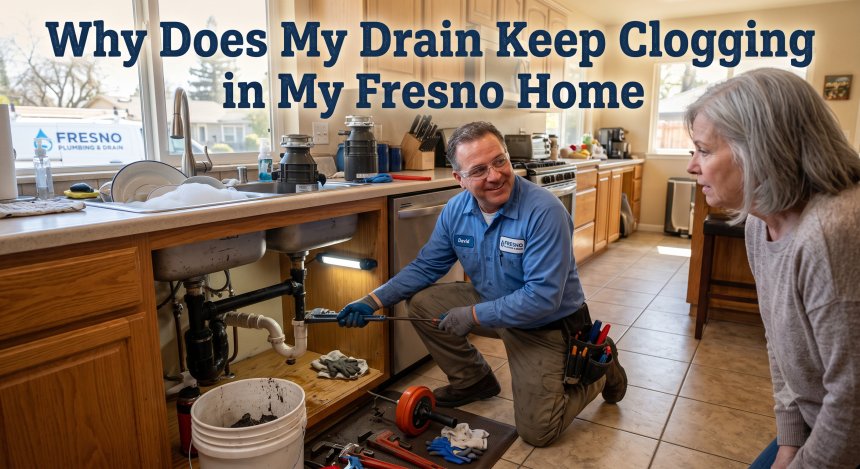
Why Does My Drain Keep Clogging in My Fresno Home?
Dealing with a sink that refuses to drain, a shower that fills up around your ankles, or a toilet that bubbles every time the washing machine runs is one of the most frustrating experiences for any homeowner. You clear the blockage with a plunger, breathe a sigh of relief, and just two weeks later, the exact same problem returns.
If you find yourself constantly asking, "Why Does My Drain Keep Clogging in My Fresno Home?", you are not alone. Recurring clogs are among the most common plumbing complaints across Fresno County, from older historic properties in the Tower District and Huntington Park to newer residential communities in Woodward Park, Clovis, and Sunnyside.
While an isolated clog is usually just a simple buildup of hair or soap scum near the surface, chronic clogs point to deeper, systemic plumbing problems. Leaving recurring clogs untreated puts your entire plumbing infrastructure at risk, leading to pipe corrosion, hazardous sewer backups, expensive structural water damage, and unhealthy mold growth. Understanding what causes these stubborn blockages and how professional plumbers resolve them is the first step toward reclaiming a clean, free-flowing drainage system.
What Is a Recurring Drain Clog?
A recurring drain clog is a drainage issue that returns repeatedly in the same fixture or spreads across multiple fixtures throughout a home, despite basic clearing efforts.
Unlike a simple, one-off blockage caused by accidentally dropping something down the sink, chronic clogs indicate an underlying restriction, structural defect, or mineral buildup inside the drainage and sewer lines.
[Fixture Drain: Sink / Shower]
             │
             ▼
      [P-Trap & Branch Line] ──► (Local Clogs: Hair, Soap Scum, Grease)
             │
             ▼
     [Main Sewer Lateral]    ──► (Systemic Clogs: Tree Roots, Scale, Bellied Pipes)
             │
             ▼
    [City Sewer Main / Septic]
Common Scenarios and Symptoms
-
Single-Fixture Slowdown: Water drains slowly in one specific sink or tub, clears temporarily with plunging, but bogs down again within days.
-
Multi-Fixture Backups: Running the dishwasher causes dirty water to back up into the adjacent kitchen sink, or flushing a toilet makes water rise in the nearby shower basin.
-
Gurgling and Air Bubbles: Drains emit loud gurgling or bubbling noises as trapped air struggles to vent through a constricted pipe.
-
Foul Drain Odors: Persistent sulfur, rotten egg, or sewage smells emanate from drains, signaling decomposing organic matter or blocked vent stacks.
Why Does This Plumbing Problem Happen in Fresno Homes?
Fresno's distinct climate, soil composition, and regional water supply contribute directly to persistent drain failures. When addressing the core question—Why Does My Drain Keep Clogging in My Fresno Home?—licensed plumbers look at several interrelated local factors.
   ┌─────────────────────────────────────────────────────────────┐
   │            Primary Drivers of Chronic Clogs                 │
   ├──────────────────────────────┬──────────────────────────────┤
   │ Fresno-Specific Factors      │ General Plumbing Failures    │
   ├──────────────────────────────┼──────────────────────────────┤
   │ • Heavy Hard Water Scale     │ • FOG (Fat, Oil, Grease)     │
   │ • Invasive Valley Tree Roots │ • Foreign Objects & Wipes    │
   │ • Expansive Clay Soils       │ • Aging Cast Iron/Galvanized │
   │ • Extreme Summer Heat Shifts │ • Improper Venting / Slopes  │
   └──────────────────────────────┴──────────────────────────────┘
1. High Mineral Content and Hard Water Scale
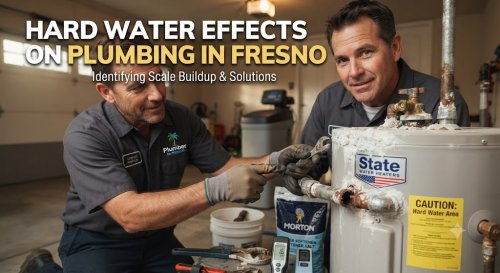
Fresno’s municipal water supply draws from both deep groundwater wells and surface water sources, carrying high concentrations of dissolved calcium and magnesium. Over time, these minerals precipitate out of the water and solidify along pipe walls. This limescale creates a rough, sandpaper-like interior surface that snags hair, soap particles, and food waste, quickly turning minor debris into impenetrable dams.
2. Invasive Tree Root Intrusion
The Central Valley’s hot, dry summers drive neighborhood trees—especially mature oaks, sycamores, and palms—to seek underground moisture sources. Sewer pipes are rich in water, warmth, and nutrients. Roots penetrate micro-cracks, loose joints, or aging seams in sewer laterals. Once inside, root balls expand into dense, fibrous mats that catch solid waste and completely obstruct drainage.
3. FOG Buildup (Fats, Oils, and Grease)
Pouring cooking oils, bacon grease, pan drippings, or dairy-heavy sauces down the kitchen drain is a leading cause of deep blockages. While grease flows down the drain as a warm liquid, it cools and solidifies inside underground lateral lines. It coats the pipe perimeter, trapping coffee grounds and vegetable scraps into a hardened, gluey obstruction known as a fatberg.
4. Flushing "Flushable" Wipes and Hygiene Products
Despite marketing claims, wet wipes, baby wipes, cosmetic pads, and feminine hygiene products do not break down like toilet paper. Toilet paper disintegrates within seconds of water contact; fibrous wipes remain intact for months. They snag on pipe imperfections, creating stubborn, recurring blockages.
5. Aging, Corroded Pipe Materials
Homes built in older Fresno neighborhoods often contain original cast iron or galvanized steel drainage pipes. As cast iron ages, it undergoes internal flaking (tuberculation), creating a jagged inner diameter. Galvanized steel corrodes from the inside out, narrowing the pipe bore until even small volumes of waste cause backups.
6. Soil Shifting and "Bellied" Sewer Lines
Fresno County soil features dense clay and hardpan layers that expand during rainy winters and contract during dry, scorching summers. This cyclic ground movement causes underground sewer lines to sag or crack. A sagging section—known as a pipe belly—creates a low spot where water pools and heavy solids settle instead of flowing naturally out to the municipal main.
7. Poor Drain Venting
Every drainage system requires atmospheric venting through roof stacks to balance pressure and allow water to flow freely. If your roof vent becomes blocked by leaves, bird nests, or debris, your drains form a vacuum seal. Water drains sluggishly, and air pulls through fixture traps, causing characteristic gurgling sounds.
Signs You Should Never Ignore
Recognizing early warning signs prevents a minor drain annoyance from turning into a catastrophic indoor flood.
| Warning Sign | What It Indicates | Why It Matters |
| Persistent Slow Drains | Progressive buildup of scale, grease, or roots | Indicates narrowing pipe diameter before a total shutoff. |
| Gurgling Fixtures | Trapped air or obstructed roof vent stacks | Negative pressure pulls water from P-traps, letting sewer gas enter. |
| Foul Sewer Odors | Biofilm accumulation or broken sewer seals | Exposure to hydrogen sulfide and airborne bacteria in living areas. |
| Water Backing Up in Other Fixtures | Main sewer line restriction | Running laundry or flushing can flood showers with raw sewage. |
| Fruit Flies / Drain Flies | Decomposing organic sludge inside pipes | Insects breed in the decaying waste layer coating your drains. |
| Wet Spots in Yard / Lush Grass | Cracked or collapsed underground sewer line | Sewage leaks beneath lawns or foundations, risking structural failure. |
Common Plumbing Problems Related to Chronic Clogs
A neglected clog rarely stays confined to a single pipe. The resulting backpressure and sitting wastewater trigger compounding failures across your plumbing network:
-
Slab and Foundation Leaks: Chronic blockages force wastewater to seek alternative exit paths under continuous hydrostatic pressure, stressing pipe joints beneath concrete foundations.
-
Premature Fixture Failure: Constantly standing water corrodes basket strainers, pop-up assemblies, P-traps, and garbage disposal internal seals.
-
Water Heater Drainage Backpressure: Sluggish branch lines prevent safety relief lines and appliance drains from discharging freely.
-
Toxic Mold Growth: Hidden seepage caused by localized pipe overflows behind drywall or under subfloors fuels rapid mold colonization.
Can You Fix It Yourself?
Understanding the difference between safe home maintenance and high-risk DIY attempts protects your pipes and your wallet.
                    ┌─────────────────────────┐
                    │   Drain Problem Arises  │
                    └────────────┬────────────┘
                                 │
                 Is it a single, shallow fixture clog?
                                 │
                    ┌────────────┴────────────┐
                   YES                        NO (Multiple fixtures / Sewer gas)
                    │                         │
          ┌───────────────────┐               │
          │ Safe DIY Options: │               │
          │ • Manual Plunger  │               │
          │ • Baking Soda/Vine│               │
          │ • Hair Snake Zip  │               │
          └─────────┬─────────┘               │
                    │                         │
            Did it clear easily?              │
                    │                         │
             ┌──────┴──────┐                  │
            YES            NO                 │
             │             │                  │
        [Resolved]         └──────────► [CALL LICENSED PLUMBER]
Safe DIY Methods
-
The Standard Cup or Flange Plunger: Use a flat cup plunger for sinks and tubs, and a bell/flange plunger for toilets. Ensure a tight perimeter seal, cover overflow openings with a damp cloth, and apply firm, vertical strokes.
-
Baking Soda and Vinegar Flush: Pour one cup of baking soda down the drain, follow with one cup of white distilled vinegar, let it bubble for 20 minutes, and flush with hot (not boiling) tap water. This safely softens mild grease and deodorizes traps without damaging pipes.
-
Manual Plastic Hair Zip Tool: Inexpensive plastic barbed wands work well for pulling out surface-level hair and soap mats caught in bathroom sink pop-ups and shower grates.
When DIY Becomes Dangerous
-
Never Use Chemical Drain Openers: Caustic lye and acid-based supermarket cleaners generate extreme heat inside pipes. They soften and warp PVC pipes, crack porcelain fixtures, eat away at old cast iron, and release toxic fumes into your home.
-
Avoid Improper Motorized Snakes: Rented motorized drain augers can crack brittle pipes, punch holes through rusted elbows, or whip around unpredictably, causing severe hand and wrist injuries.
Tools Licensed Plumbers Use
Professional plumbing teams rely on advanced diagnostic and clearing machinery designed to restore pipes to original capacity safely and efficiently:
  ┌───────────────────────┐       ┌───────────────────────┐
  │  HD Sewer Cameras     │       │  Hydro Jetting Units  │
  ├───────────────────────┤       ├───────────────────────┤
  │ Fiber-optic, self-     │       │ Scours walls with     │
  │ leveling cameras with │       │ 1,500–4,000 PSI high- │
  │ sonde transmitters.   │       │ pressure water streams│
  └───────────────────────┘       └───────────────────────┘
              ▲                               ▲
              │       Professional Toolkit    │
              ▼                               ▼
  ┌───────────────────────┐       ┌───────────────────────┐
  │  Electromagnetic Loc  │       │  Heavy-Duty Augers    │
  ├───────────────────────┤       ├───────────────────────┤
  │ Pinpoints underground │       │ Specialized cutting   │
  │ pipe depth, breaks,   │       │ heads that slice tree │
  │ and bellied zones.    │       │ roots flush to walls. │
  └───────────────────────┘       └───────────────────────┘
-
High-Definition Sewer Inspection Cameras: Waterproof, self-leveling fiber-optic cameras travel through lines, displaying real-time video footage of breaks, root intrusions, scale buildup, and pipe separations.
-
Hydro Jetting Systems: Heavy-duty hydro jetting rigs blast high-pressure water (1,500 to 4,000 PSI) through a forward- and reverse-facing nozzle. Hydro jetting completely washes away grease, scale, and root intrusions without harsh chemicals.
-
Electromagnetic Pipe Locators: Plumbers use radio-sonde transmitters attached to camera heads to trace the exact depth and location of underground pipe damage, avoiding unnecessary yard excavation.
-
Commercial Motorized Augers: Variable-speed drain snakes equipped with specialized C-cutters, root saws, and retrieving augers clear stubborn obstructions from main lines.
Step-by-Step Professional Repair Process
When you call a certified plumbing technician to address chronic drain blockages, they follow a methodical diagnostic and repair process:
┌─────────────────┐     ┌─────────────────┐     ┌─────────────────┐
│ 1. Initial      │ ──► │ 2. Camera       │ ──► │ 3. Transparent  │
│    Assessment   │     │    Inspection   │     │    Estimate     │
└─────────────────┘     └─────────────────┘     └─────────────────┘
                                                         │
                                                         ▼
┌─────────────────┐     ┌─────────────────┐     ┌─────────────────┐
│ 6. Post-Cleaning│ ◄── │ 5. Targeted     │ ◄── │ 4. Site Prep &  │
│    Verification │     │    Clearing     │     │    Containment  │
└─────────────────┘     └─────────────────┘     └─────────────────┘
         │
         ▼
┌─────────────────┐     ┌─────────────────┐
│ 7. Area Cleanup │ ──► │ 8. Preventative │
│    & Sanitation │     │    Plan         │
└─────────────────┘     └─────────────────┘
-
Initial Assessment: The technician listens to your description of the symptoms, checks affected fixtures, and identifies whether the issue is local or system-wide.
-
Camera Inspection: A video camera is inserted through a cleanout to pinpoint the exact location, depth, and nature of the obstruction.
-
Transparent Estimate: The plumber explains the root cause, shows you the camera footage, and provides upfront repair options.
-
Site Prep and Containment: Work areas are protected with drop cloths and floor coverings to keep your home clean.
-
Targeted Clearing: The technician clears the line using specialized techniques, such as hydro jetting, root-cutting augers, or pipe descaling.
-
Post-Cleaning Camera Verification: The camera is run a second time to ensure the blockage is 100% removed and to check the underlying pipe integrity.
-
Area Cleanup and Sanitation: Equipment is packed away, work zones are sanitized, and fixtures are tested under full flow conditions.
-
Preventative Plan: The plumber provides customized maintenance recommendations to prevent future clogs.
How Long Does the Repair Usually Take?
Repair timelines depend on the severity of the obstruction, pipe accessibility, and underlying structural condition:
-
Simple Fixture Clog (P-trap/Local Branch): 45 to 90 minutes.
-
Main Line Snaking / Root Cutting: 1.5 to 3 hours.
-
Comprehensive Hydro Jetting & Descaling: 2 to 4 hours.
-
Trenchless Pipe Lining (CIPP) or Spot Repair: 1 to 2 business days.
-
Full Sewer Line Excavation & Replacement: 2 to 4 days (including permitting, excavation, bedding, inspection, and backfill).
Understanding Plumbing Repair Cost Factors
Plumbing repair costs vary depending on the severity of the problem, accessibility, materials required, emergency service, property type, and local labor rates.
Transparent plumbing contractors avoid blind quotes over the phone because several variables influence total repair investments:
-
Diagnostic Access: The presence of an accessible ground-level cleanout reduces labor costs. If a technician must pull a toilet or access roof vents, additional time is required.
-
Clearing Method Required: Basic mechanical snaking requires less specialized setup than multi-stage hydro jetting and pipe descaling.
-
Underground Structural Condition: Simple clogs cost significantly less to resolve than broken, collapsed, or bellied pipes requiring structural lining or excavation.
-
Emergency Service Timing: Work performed outside standard business hours—such as late nights, weekends, or holidays—often carries an emergency dispatch fee.
-
Permitting and Municipal Inspections: Significant underground lateral repairs or municipal tie-ins require City of Fresno permits and city inspector sign-offs.
Hidden Truths Homeowners Should Know
-
Small Slowdowns Become Major Disasters: A sluggish drain is an early warning. Ignoring it allows grease and debris to compact, eventually forcing raw sewage back into your home.
-
Chemical Cleaners Cause Premature Pipe Failure: Liquid drain openers destroy metal and plastic pipes, transforming a simple clog into a full repiping job.
-
Homeowners Insurance Excludes Routine Wear: Standard policies rarely cover water damage caused by deferred maintenance, slow leaks, or gradual root intrusion.
-
Tree Roots Always Regrow: Cutting roots with a mechanical snake offers temporary relief; unless the line is permanently sealed or relined, roots return within months.
-
Hard Water Gradually Narrows Pipes: Without water softening or periodic descaling, Fresno’s mineral-rich water steadily reduces the functional diameter of your drainage pipes.
-
DIY Snake Mistakes Are Costly: Forcing an oversized cable down a corroded line can punch through pipe walls or get trapped underground, requiring costly excavation.
-
Hidden Leaks Spike Water and Sewer Bills: Chronic blockages and running fixtures waste thousands of gallons of water annually.
-
Mold Develops Within 24 to 48 Hours: Standing wastewater behind baseboards or beneath cabinets quickly creates hazardous indoor air quality issues.
-
Annual Preventative Maintenance Pays for Itself: Routine professional cleanings prevent thousands of dollars in emergency restoration and structural repairs.
15 Common Mistakes Homeowners Make (And How to Avoid Them)
-
Pouring Grease Down the Sink: The Fix: Pour cooking fats into an empty can, let them cool, and dispose of them in the trash.
-
Using Chemical Drain Cleaners: The Fix: Use a mechanical plunger, enzymatic cleaners, or call a professional rooter service.
-
Flushing Wipes Labeled "Flushable": The Fix: Throw all wet wipes, facial tissues, and paper towels directly into the wastebasket.
-
Treating the Garbage Disposal Like a Trash Can: The Fix: Never feed fibrous vegetables (celery, corn husks, artichokes), potato peels, pasta, rice, or coffee grounds into your disposal.
-
Ignoring Gurgling Sounds: The Fix: Have a plumber inspect the drainage and vent system as soon as fixtures begin making unusual noises.
-
Operating High-Flow Appliances on Sluggish Lines: The Fix: Avoid running washing machines or dishwashers if lower drains are slow, as this can trigger overflow backups.
-
Using Drop-in Bleach Toilet Cakes: The Fix: Avoid tank-based chemical pucks; they deteriorate rubber flappers and fill valve seals, causing leaks and weak flushes.
-
Over-Tightening Slip Joints and Cleanout Caps: The Fix: Hand-tighten threaded plastic drainage fittings plus an extra quarter-turn with pliers to prevent stripped threads and cracked fittings.
-
Failing to Install Strainer Baskets: The Fix: Use mesh drain catchers in every shower, tub, and utility sink to intercept hair and soap fragments.
-
Planting High-Water Trees Over Sewer Lines: The Fix: Check utility layouts before planting trees, and keep aggressive species far away from sewer lines.
-
Hiring Unlicensed Handymen for Underground Work: The Fix: Work exclusively with C-36 licensed plumbing contractors carrying valid liability and workers' compensation coverage.
-
Skipping Regular Camera Inspections: The Fix: Schedule a video sewer inspection every 2–3 years if you own a home built before 1980.
-
Waiting for Total System Stoppages: The Fix: Address recurring slow drainage during normal service hours before it turns into a late-night sewage emergency.
-
Using the Wrong Plunger: The Fix: Use flat-rim plungers for flat sink basins and tapered flange plungers for toilet bowl contours.
-
Neglecting Outdoor Cleanout Maintenance: The Fix: Keep sewer cleanout caps accessible and unburied by mulch, concrete, or decorative landscaping.
Preventative Maintenance Tips for Clean Drains
Consistent care keeps your drainage system clean and prevents blockages before they start:
-
Weekly Hot Water Flush: Run hot tap water down kitchen and bathroom drains for two minutes each week to clear soft soap and grease residues.
-
Monthly Bio-Enzymatic Cleaners: Apply natural, non-caustic enzymatic drain cleaners once a month. These beneficial bacteria digest organic matter and hair buildup without damaging pipes.
-
Catch Hair at the Surface: Empty and clean shower strainer baskets weekly.
-
Run Disposals with Cold Water: Run cold water before, during, and for 15 seconds after running the garbage disposal to keep fats solidified until they pass the main lateral.
-
Clean P-Traps Annually: Place a bucket under bathroom sinks, loosen the slip nuts, and manually clean out hair, mineral sludge, and soap paste.
-
Inspect Roof Vent Pipes: Clear leaves, twigs, and bird nests from your roof vent stacks every autumn.
-
Maintain Water Softeners: If your home uses a water softener to combat Fresno’s hard water, keep the brine tank filled and check for salt bridging.
-
Mark and Protect Sewer Cleanouts: Ensure exterior sewer cleanouts remain tightly capped and visible to service crews.
-
Winter Cold Snaps: Insulate exposed crawl space and exterior plumbing lines to avoid temperature-related pipe contractions and burst pipes.
-
Spring Root Treatments: Ask your plumber about annual, environmentally safe root inhibitor applications if mature trees grow near your sewer line.
When Should You Call an Emergency Plumber?
Some drainage problems require immediate attention to prevent property damage and health hazards. Contact an emergency plumber immediately if you experience:
-
Raw Sewage Overflowing Indoors: Wastewater bubbling up into tubs, shower basins, or floor drains.
-
Multiple Fixtures Backing Up Simultaneously: A total mainline obstruction preventing safe use of any plumbing fixture in the home.
-
Strong, Persistent Sewer Gas Smells: High concentrations of methane or hydrogen sulfide backing up into living areas.
-
Water Backing Up During Appliance Use: Sewage or wastewater backing up when running the washing machine or dishwasher.
-
Foundation Water Pooling: Water bubbling up from your foundation slab, crawl space, or lawn near the sewer lateral.
Frequently Asked Questions
Why does my drain keep clogging even after using a plunger?
Plunging only clears the immediate, soft center of an obstruction. It leaves behind stubborn perimeter buildup, hardened limescale, grease collars, or invading tree roots along the pipe walls. As soon as more waste passes through, it snags on the remaining debris and forms a new clog.
Can Fresno’s hard water really cause clogged drains?
Yes. Hard water carries high concentrations of dissolved minerals like calcium and magnesium. Over time, these minerals form thick limescale on the inner walls of your pipes. This narrows the pipe diameter and creates rough surfaces that catch hair, soap residue, and food particles.
Is hydro jetting safe for older pipes?
When performed by a trained, licensed plumber following a thorough video camera inspection, hydro jetting is safe and highly effective. A pre-inspection confirms the pipe's structural integrity, allowing the technician to adjust water pressure to safely clear scale and roots without damaging old cast iron or clay pipes.
Why do my drains gurgle when the toilet flushes?
Gurgling indicates a venting problem or a developing mainline blockage. When water rushes down a restricted pipe without proper airflow from roof vents, it creates negative air pressure that pulls water and air through nearby P-traps.
How do tree roots get into solid sewer pipes?
Underground pipes expand and contract with seasonal temperature and soil moisture changes, creating tiny hairline cracks or loose joint seals. Tree roots sense the moisture and nutrients escaping through these gaps and grow toward them, entering micro-openings and expanding inside the line.
What is the difference between a drain snake and hydro jetting?
A drain snake uses a rotating steel cable to bore a hole through an obstruction to restore basic flow. Hydro jetting uses multi-directional, high-pressure water streams to thoroughly scour the entire pipe wall, removing grease, mineral scale, and root intrusions.
Will pouring boiling water down the drain hurt my pipes?
Boiling water can melt or deform PVC pipes and rubber gaskets commonly used in modern drainage systems. It can also crack cold porcelain toilet bowls and sinks due to thermal shock. Stick to warm or hot tap water instead.
Why does my bathroom sink smell like rotten eggs?
This odor is typically caused by decomposing hair, soap scum, and bacteria trapped in the sink overflow channel or P-trap. In severe cases, a dried-out trap or cracked vent stack can allow toxic sewer gas to seep into your home.
How often should my main sewer line be professionally cleaned?
Homes with a history of root intrusion or older cast iron lines benefit from professional cleaning every 12 to 24 months. Newer homes with modern PVC lines generally only require cleaning as symptoms arise or every few years as preventative maintenance.
When should I replace my sewer line instead of cleaning it?
If a video camera inspection reveals collapsed pipe sections, severe bellies (low sagging spots), severe channel corrosion, or pervasive root fractures throughout the lateral, repeated cleanings will only offer temporary relief. In these cases, trenchless pipe lining (CIPP) or full line replacement is the most cost-effective, long-term solution.
Why Choose Our Plumbing Team in Fresno
-
Licensed & Experienced Technicians: Our experienced, C-36 licensed plumbing professionals understand the unique soil and plumbing challenges of Fresno County.
-
Upfront, Transparent Pricing: We provide comprehensive written assessments and upfront estimates before any work begins—no hidden surprises.
-
Advanced Diagnostic Equipment: We use high-resolution color sewer cameras, digital locators, and commercial hydro jetting equipment to resolve clogs accurately.
-
Fast Local Response: We proudly serve the entire Fresno community with prompt scheduling and rapid emergency response.
-
Clean, Professional Service: We respect your property by using protective drop cloths, wearing shoe covers, and thoroughly sanitizing all work areas before leaving.
-
Honest, Long-Term Solutions: We don't just poke holes in clogs—we diagnose the root cause to ensure your plumbing system runs smoothly for years to come.