Hard Water Effects on Plumbing in Fresno
Discover how hard water affects your Fresno plumbing system. Learn expert tips, scale prevention, and water softening solutions by Plumber in Fresno.

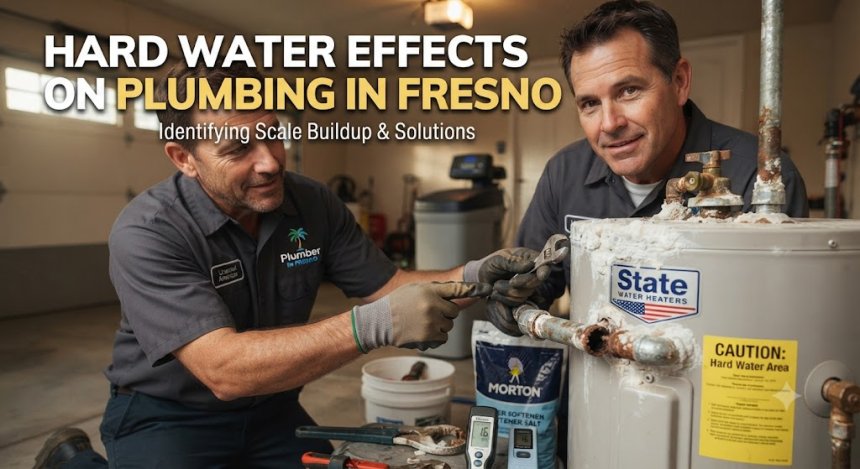
Turning on your kitchen faucet only to watch water sputter out through a chalky, crusty aerator is a frustrating daily reminder of an invisible menace lurking inside your walls. When property owners research how does hard water affect plumbing in Fresno, they are usually trying to solve a cascading series of appliance failures, dropping water pressure, and stubborn scale buildup. Fresno relies heavily on groundwater supplies carrying exceptionally high concentrations of dissolved calcium and magnesium minerals. Ignoring this aggressive mineral load will slowly choke your home's infrastructure, turning flexible systems into brittle bottlenecks and forcing premature replacements of water heaters and fixtures across the Central Valley.
Critical Warning Signs: When Your Home is Sounding the Alarm
Hard water rarely announces itself with a sudden flood; instead, it leaves subtle sensory breadcrumbs that compound over time.
-
Auditory Clues: Listen for a distinct popping, rumbling, or ticking noise coming from inside your water heater tank, caused by boiling water trapped beneath dense layers of bottom mineral sediment.
-
Visual Scaling: Noticeable white, crusty calcification deposits building up around showerheads, faucet aerators, and the base of toilet flush handles are clear indicators of high mineral content.
-
Efficiency and Flow Drops: A sudden, unexplained reduction in water pressure across multiple bathroom fixtures usually points to mineral scale constricting the interior diameter of supply pipes.
What Is Hard Water Mineral Scaling? Decoding the Mechanism
To understand why hard water wreaks havoc, you need to examine the chemical behavior of mineral-saturated water moving through domestic pipes.
-
The Ideal Flow: Naturally soft or treated water flows smoothly through supply lines, carrying minimal dissolved solids and leaving interior pipe surfaces clean, unobstructed, and corrosion-free over decades of use.
-
The Failure Mode: Hard water contains heavy concentrations of dissolved calcium and magnesium carbonates. When this water is heated or subjected to pressure drops, these minerals precipitate out of the liquid solution, bonding chemically to metal and plastic surfaces to form hard, rock-like scale.
-
Local Context: In Fresno neighborhoods like Sunnyside or Woodward Park, groundwater draws deep mineral content from local aquifers, accelerating internal pipe scaling at a rate much higher than regions with surface water supplies.
Root Causes: Why This Problem Occurs in Fresno Homes
Hard water damage is driven by a unique mix of regional hydrogeology, climate factors, and material science aging.
-
Aquifer Mineral Composition: Fresno's geographic location in the San Joaquin Valley means municipal and private wells pump water through ancient alluvial sediment rich in limestone, gypsum, and mineral deposits.
-
Thermal Precipitation Acceleration: Heat acts as a catalyst for calcification. As water heaters raise Fresno tap water to 120°F or higher, dissolved minerals instantly shed their liquid bond and solidify against heating elements and tank walls.
-
Aging Plumbing Materials: Older homes throughout Fresno featuring galvanized steel or unlined copper piping provide rough interior surfaces that act as anchoring points for initial mineral crystal formation.
-
Intense Central Valley Heat: High ambient summer temperatures increase daily household water consumption and evaporation rates, concentrating mineral exposure across all indoor fixtures.
Financial Breakdown: Cost Factors & Investment Realities
Mitigating hard water damage involves weighing ongoing repair expenses against permanent preventative capital investments.
-
Service Dispatch & Diagnostic Fees: Professional evaluations cover water hardness testing, pressure checks, and comprehensive plumbing health assessments.
-
Scale Mitigation Technology Costs: Investing in a whole-home ion-exchange water softener system or a salt-free scale prevention system varies based on household occupancy and peak flow capacity.
-
Fixture and Appliance Replacement: Factoring in the high cost of prematurely replacing failed tankless water heaters, clogged faucets, and ruined dishwasher valves due to unmanaged scale.
-
Labor and Pipe Rerouting: Severe calcification that completely chokes galvanized supply lines may require targeted repiping or section replacements by licensed professionals.
Comprehensive Home Plumbing Maintenance Framework
-
Spring & Summer Maintenance: Test your main water pressure regulator (PRV) to prevent spikes, inspect irrigation valves for mineral fouling, and flush outdoor frost-free hose bibs.
-
Fall & Winter Preparation: Flush your traditional tank water heater to remove accumulated mineral sediment before peak winter heating demands, and insulate exposed garage supply lines.
-
Year-Round Habits: Clean faucet aerators and showerheads monthly in a vinegar solution to dissolve scale, monitor monthly water bills for unexplained climbing trends, and check water softener salt levels regularly.
Professional Diagnostic & Repair Workflow
Licensed master plumbers use a systematic, non-destructive approach to diagnose and remediate hard water damage safely.
-
Step 1: Non-Invasive Triage & Safety Isolation: Technicians evaluate total dissolved solids (TDS) levels, test water hardness parts-per-million (PPM), and isolate affected branch lines.
-
Step 2: Precision Digital Diagnostics: Deploying high-definition micro-cameras to visually inspect the interior scaling levels of water heater tanks and main copper supply lines.
-
Step 3: Transparent, Upfront Options & Written Estimating: Presenting flat-rate repair alternatives, ranging from targeted descaling flushes to whole-home water softening system installations.
-
Step 4: Code-Compliant Remediation: Executing professional installations of certified water treatment equipment in strict adherence to local Fresno municipal plumbing codes.
-
Step 5: Flow Verification & System Testing: Running full-system pressure tests and verifying soft water output across every household fixture before completing the service call.
Advanced Diagnostics: The Professional Tool Arsenal
Professional technicians rely on specialized equipment to measure water chemistry and structural pipe health accurately.
-
Digital Hardness Test Kits and TDS Meters: Precision instruments used on-site to measure exact mineral concentrations and total dissolved solids in grains per gallon (GPG).
-
Digital Manometers: Used to monitor water pressure fluctuations that can stress scale-weakened joints and valves.
-
Thermal Imaging Cameras: Handheld infrared devices designed to detect hidden temperature anomalies, restricted hot water flow, and scale blockages inside walls.
-
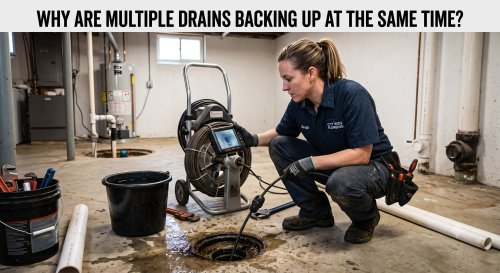
High-Definition Push-Rod Cameras: Used to inspect the internal condition of main water supply lines and drain runs for mineral accumulation and corrosion.
DIY Reality Check: What You Can Safely Fix vs. When to Step Back
-
Safe Actions: Homeowners can safely unscrew and soak removable faucet aerators and showerheads in white vinegar, add salt to their water softener brine tank, or test water hardness with simple consumer strips.
-
The Danger Zone: Avoid pouring harsh industrial chemical descalers into drinking water supply lines, as improper flushing can leave toxic residues and ruin plumbing seals.
-
When to Call a Pro: If your water heater begins rumbling violently, if whole-house water pressure drops drastically, or if you need a complex whole-home water softener integrated into your main supply, drop the tools and call a licensed professional.
Unique Expert Insights: Hard Truths Homeowners Learn Too Late
-
Temporary store-bought liquid lime removers only treat surface fixture scale and do nothing to stop the destructive calcification occurring deep inside your hidden supply pipes.
-
Ignoring hard water will eventually cut the operational lifespan of a standard water heater in half, turning a preventable maintenance fix into an expensive emergency replacement.
-
Unlicensed handymen often install water treatment systems with incorrect bypass loops or missing backflow preventers, creating code violations that fail during real estate transactions.
-
Purchasing a quality whole-home water softening system pays for itself over time by protecting clothing fibers, skin health, and major plumbing appliances from premature decay.
Emergency Protocol: When Immediate Dispatch is Non-Negotiable
-
Call a 24/7 emergency plumber immediately if hard water scaling causes a catastrophic rupture or pressure blowout in your water heater tank, flooding the utility room.
-
Immediate professional dispatch is required if calcification completely seizes your main water shut-off valve during an active leak emergency, preventing you from stopping indoor flooding.
Frequently Asked Questions (FAQs)
How many grains per gallon is considered hard water in Fresno?
Fresno water typically ranges from moderately hard to very hard, often exceeding 7 to 10+ grains per gallon depending on whether your supply is sourced from municipal groundwater wells or blended surface reserves.
Can hard water cause my pipes to burst?
While hard water itself causes scale buildup rather than immediate pipe bursts, heavy calcification can weaken joints, increase internal pressure stress, and accelerate localized pipe corrosion over time.
Is hard water safe to drink?
Yes, hard water is generally safe to drink and provides minor dietary minerals like calcium and magnesium, though its high mineral content wreaks havoc on plumbing fixtures and appliances.
How often should I flush my water heater in Fresno?
Because of Fresno's heavy mineral content, you should professionally flush your tank water heater at least once every year to remove bottom sediment and prevent premature tank failure.
What is the difference between a water softener and a scale prevention system?
A traditional ion-exchange water softener physically removes calcium and magnesium ions and replaces them with sodium, whereas salt-free scale conditioners alter mineral crystal structures so they cannot stick to pipe walls.
Why do my white clothes look dingy or stiff after washing?
Hard water minerals bind with laundry detergent molecules, leaving soap curd trapped within fabric fibers that makes clothes feel stiff, scratchy, and gray over time.
Do water softeners require a lot of maintenance?
Most modern water softeners simply require you to check and refill the brine tank with high-purity water softener salt every few weeks to keep the resin bed regenerating properly.
Will installing a water softener remove existing scale from my pipes?
Over time, softened water is slightly undersaturated with minerals and can slowly dissolve and strip away existing soft scale accumulations inside your home's piping network.