How to Turn Off Main Water Valve Without Breaking It in an Emergency
Learn how to safely shut off your main water valve during a plumbing emergency without causing costly damage to aging pipes and stuck handles.

When Every Second Counts: Handling a Stuck Shutoff
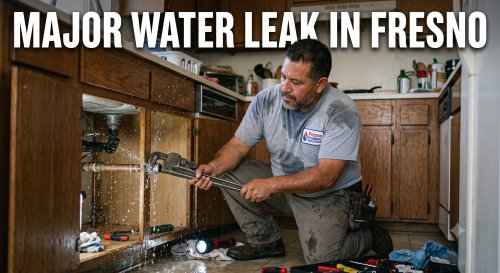
Facing an active pipe burst, a severed supply line, or a catastrophic water heater failure means you need to stop the water immediately. However, rushing to the main water shutoff valve and forcing a stubborn handle can easily snap a rusted stem, twist an old copper pipe, or crack a brittle brass gate valve. Turning a valve that has sat untouched for years requires a delicate balance of decisive action and mechanical caution to avoid turning a localized leak into a total flood.
Understanding how your specific property's shutoff mechanism works prevents panic-driven mistakes. Whether you live in an older home in Fresno's Old Fig Garden district with decades-old galvanized piping or a newer build in Woodward Park with modern quarter-turn ball valves, knowing your system's limits keeps a stressful situation under control.
Identifying Your Main Water Valve and Its Mechanics
Before an emergency strikes, or in the opening moments of one, you need to locate the correct valve. In many Central Valley homes, the main shutoff is located near the front perimeter wall, inside a utility closet, garage, or in an outdoor in-ground meter box near the sidewalk.
Main shutoff valves generally fall into two categories:
- Gate Valves (Traditional Wheel Handles): Common in older properties, these feature a round spinning handle. They operate via an internal threaded wedge that lowers to block water flow. Over years of disuse, mineral deposits from hard water can cement this wedge in place, making them notoriously fragile when forced.
- Ball Valves (Lever Handles): Common in modern plumbing, these use a quarter-turn lever. When the handle aligns with the pipe, water flows. When perpendicular, the water is completely off. They rarely stick unless exposed to heavy corrosion, but excessive torque can still snap the internal brass stem.
Step-by-Step Safe Shutoff Procedure
If you must shut off your water immediately, follow a controlled sequence rather than resorting to brute force.
- prepare by assessing the valve type and checking for visible corrosion, mineral crusting, or dampness around the packing nut.inspect the handle position and determine which direction it needs to turn. Most standard valves turn clockwise to close.apply steady, even pressure with your hand. Never use a hammer to tap the valve or handle, as this can shatter brass or cast iron components.if a gate valve refuses to budge, do not reach for a heavy pipe wrench or cheater bar immediately. Excessive leverage applied to old pipe threads can twist or shear the supply line right behind the wall or underground.tap gently on the surrounding pipe or valve body with a wooden handle or rubber mallet to help vibrate loose minor mineral scale, then reattempt steady hand pressure.if the handle is a stubborn gate valve and hand pressure fails entirely, locate the packing nut just beneath the handle. Loosening this nut slightly with a wrench can relieve tension on the internal stem, but do not back it out completely or water will spray past the threads.turn the water on downstream (such as opening a hose bib or lowest indoor faucet) to relieve internal line pressure, which can sometimes unbind a stuck valve seat.as a last resort before professional intervention, use a properly sized adjustable wrench on the valve handle with controlled, moderate force while bracing the opposing pipe body with a second wrench to prevent twisting the supply line.
What to Do If the Valve Will Not Turn
If the valve absolutely refuses to move despite careful adjustments, forcing it further invites disaster. Snapping a valve stem leaves you with a crippled valve that is still stuck in the open position while now actively leaking or spraying water. In this scenario, stop trying to force the interior or surface valve.
For residential properties with a buried meter box near the property line, the municipal meter usually features its own utility shutoff side. However, municipal codes often restrict homeowners from tampering with the city side of the meter. If your interior valve fails and you cannot safely isolate your home, reaching out to your local municipal water utility or an emergency plumbing professional is the safest route to prevent major property damage.
Frequently Asked Questions
Can I use penetrating oil on a stuck main water valve?
Yes, applying a penetrating spray like WD-40 or liquid wrench to the threads and packing nut can help break down minor corrosion. Give the product 10 to 15 minutes to soak in before attempting to turn the valve again. Clean off any residue if you plan to apply heat or soldering later, though open flames should never be used near water supply lines during an emergency.
How do I know if the water is completely shut off?
Once you successfully turn the valve, walk to the nearest indoor faucet and turn it on. Water should sputter briefly as remaining pressure bleeds out of the lines, then stop completely. If water continues to run at a steady stream, the valve gate or ball inside is either not fully closed or has suffered an internal failure where the seal has detached from the stem.
Should I turn my main water valve off during a freeze?
In Fresno and the surrounding Central Valley, winter temperatures occasionally drop below freezing overnight, putting exposed outdoor hose bibs and backflow preventers at risk. While you do not need to shut off your entire house main for routine cold snaps, properly insulating outdoor fixtures and shutting off dedicated irrigation lines prevents frozen pipe bursts.
How often should I test my main water shutoff valve?
Preventative maintenance is the best defense against stuck valves. Turn your main water shutoff completely off and back on once or twice a year. This simple habit keeps the internal components moving, prevents mineral buildup from locking the mechanism, and ensures you know exactly how it feels to operate before a real emergency occurs.