How to Shut Off Water & Depressurize Faucets Before Leaving Town
Learn how to safely shut off your main water valve and depressurize plumbing lines before an extended absence to prevent major water leaks.

Protecting Your Home Plumbing Before an Extended Absence
Leaving a residential or commercial property unattended for an extended period—whether for a multi-week vacation, a seasonal migration, or an extended business trip—introduces a major risk of catastrophic water damage. Even a minor plumbing failure, such as a supply line rupture under a sink or a failing toilet fill valve, can discharge hundreds of gallons of water per hour if left unchecked. Closing the main water supply valve and depressurizing the plumbing system provides the ultimate safeguard against high-pressure indoor flooding.
While turning off the main water supply stops active pressure from pushing water through a break, simply closing the valve leaves residual pressure trapped inside the distribution piping. Depressurizing the system removes that stored hydraulic energy, minimizing stress on joints, valves, and fixture supply lines while you are away.
Understanding the Plumbing Mechanics: Pressure vs. Flow
Municipal water systems and private wells deliver water to homes under constant pressure, typically ranging between 40 and 80 pounds per square inch (psi). When a supply pipe or flexible braided connector fails, that pressure acts as an aggressive pump, forcing continuous flow until the supply is manually or automatically isolated.
When you close a main water shutoff valve, you stop the influx of new water, but the water already trapped inside the pipes remains compressed against closed fixture valves. By opening faucets and low-level drains after closing the main valve, you allow that trapped water to escape, dropping the internal system pressure to zero. This ensures that if a microscopic weakness in a fitting gives way while you are gone, there is no pressurized volume behind it to cause widespread flooding.
Step-by-Step Guide to Securing Your Water System
Properly preparing your plumbing system for an extended absence involves a logical sequence of locating, isolating, and draining. Rushing the process or missing secondary valves can leave portions of the property pressurized.
1. Locate and Test the Main Water Shutoff Valve
Before leaving, you must locate your main water shutoff valve and verify that it closes completely. In Fresno homes and properties across the Central Valley, main shutoff locations vary based on the age and layout of the building:
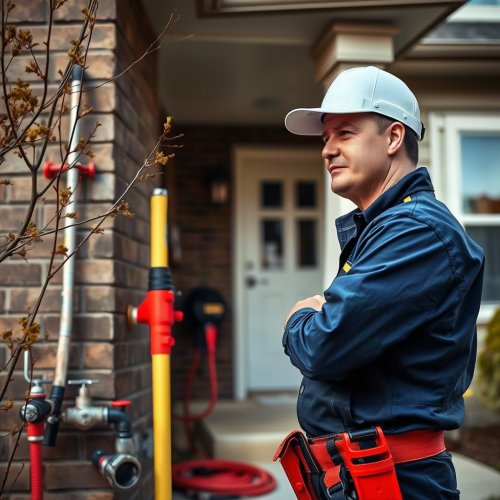
- Exterior Meter Box: Often located near the front property line in a sub-grade box alongside the municipal water meter. These usually require a specialized water meter key to operate.
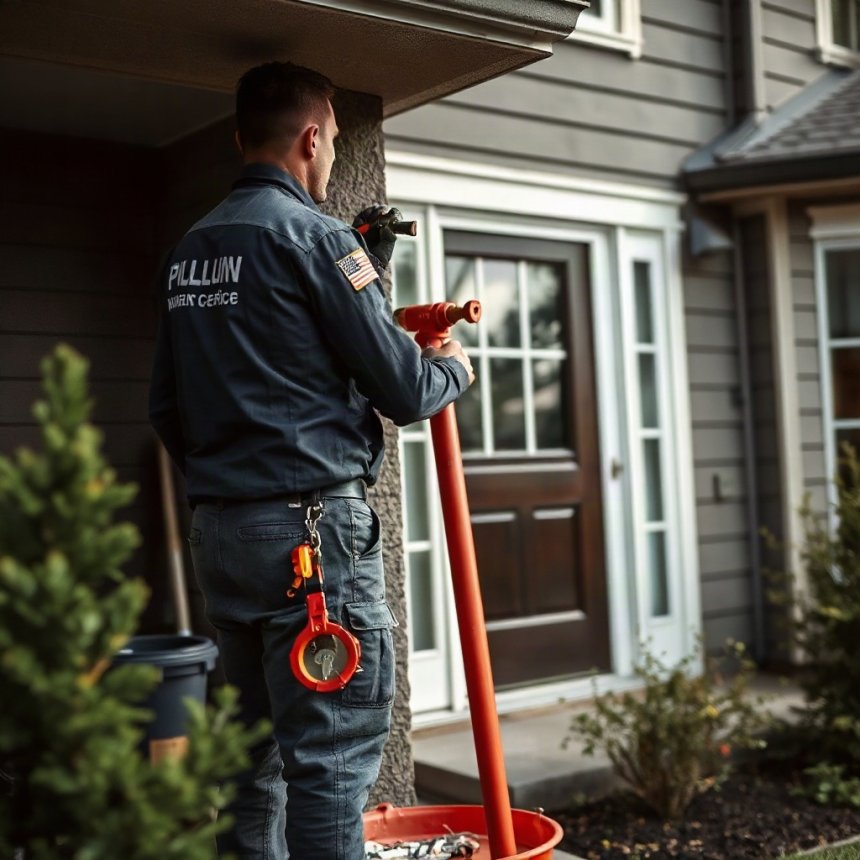
- Exterior Wall: Frequently positioned where the main supply line enters the home's perimeter wall, sometimes protected by a small box or housing.
- Interior Utility Areas: Commonly found near the water heater, in a garage, inside a utility closet, or near the main indoor water entry point in older crawlspace homes.
Turn the valve clockwise (for traditional gate or ball valves) until it is fully closed. Quarter-turn ball valves are closed when the handle is perpendicular to the pipe. Test the closure by opening a nearby indoor sink faucet; water flow should sputter and stop entirely within a few seconds.
2. Depressurize the Distribution Lines
Once the main supply is completely shut off, you need to bleed the remaining water and air pressure from the piping network:
- Start at the Highest Level: Begin on the top floor or highest bathroom in a multi-story home or commercial building. Open both hot and cold handles on sinks, showers, and tubs to let trapped air and residual water escape.
- Work Downward: Move systematically to ground-floor fixtures, kitchens, laundry rooms, and basement or utility sinks.
- Flush Toilets: Depress each toilet handle to drain the upper tank. Note that the bowl itself will retain water in the trap to block sewer gases; this is normal and necessary.
- Drain Outdoor Fixtures: Open exterior hose bibs (spigots) to relieve pressure in exterior lines. Leave outdoor valves partially open to allow for minor drainage, unless freezing temperatures are a concern.
3. Leave Fixtures Open or Closed?
A common debate among property owners is whether to leave faucet handles open or closed after depressurizing. Leaving them in the open position prevents any minor vacuum or thermal expansion pressure from building up while you are away. However, if you are concerned about accidental water restoration or pests entering dry drains, you can close the handles lightly after the pressure has completely bled off. The system remains safe as long as the main supply valve stays tightly closed.
Critical Appliances and Additional Precautions
Isolating the main water supply impacts more than just sinks and toilets. Certain appliances require specific operational adjustments during an extended vacancy.
- Water Heaters: For standard tank-type water heaters, turning the unit to the "Vacation" setting or powering it down entirely saves energy and prevents dry-firing risks if the tank accidentally drains. Tankless water heaters should be powered off according to manufacturer guidelines.
- Ice Makers and Refrigerators: Shut off the dedicated supply valve behind the refrigerator if accessible, and turn off the automatic ice maker switch to prevent the internal solenoid valve from burning out while dry.
- Washing Machines: While shutting off the main house valve secures the laundry area, turning off dedicated supply valves at the wall box provides an extra layer of protection for high-stress rubber or braided hoses.
Common Mistakes to Avoid
Homeowners often run into preventable issues when preparing their plumbing for long absences:
- Failing to Test the Main Valve: Older gate valves can seize up, snap off, or fail to seat completely due to mineral buildup—a common issue in hard-water regions. Forcing a stuck valve can rupture older copper or galvanized pipes. If a main valve does not turn smoothly, do not force it; have a professional service valve replaced before your departure.
- Overlooking Irrigation Systems: Standard property shutoffs often isolate indoor plumbing while leaving dedicated outdoor landscape irrigation lines pressurized. Separate backflow preventers or irrigation shutoffs should be addressed independently.
- Ignoring Winter Freeze Risks: If your absence occurs during cooler winter periods in the Central Valley, unheated garages, exterior walls, and exposed outdoor pipes remain vulnerable to freezing if residual water is trapped in dead-end lines.
Frequently Asked Questions
Frequently Asked Questions
Should I turn off my water heater when I shut off the main water valve?
Yes. Turning off or switching your water heater to vacation mode prevents the elements or burners from continuously heating an isolated tank. If the tank were to somehow lose its water level due to a rare back-siphoning event, a live electric element could burn out or a gas unit could overheat.
What should I do if my main water shutoff valve is stuck or leaking when turned?
Stop immediately and do not apply excessive force, as breaking an older gate valve stem will turn a routine departure preparation into a major emergency. If the valve fails to seal or leaks around the packing nut, the municipal utility may need to temporarily shut water off at the street meter so a plumber can install a modern quarter-turn ball valve.
Do I need to drain the water completely out of my toilet bowls?
No. While you should flush the toilet tanks to remove stored water and prevent mineral crusting, leave the water in the toilet bowls. That standing water acts as a natural vapor barrier that prevents sewer gases and odors from entering the living space through the drain traps.
How do I handle my irrigation system when leaving for an extended period?
Landscape irrigation systems typically operate on a separate supply line equipped with its own backflow preventer and shutoff valve. If you are leaving for months, turn off the dedicated irrigation supply valve and suspend or turn off your automatic sprinkler controller so it does not cycle dry valves.
Is it safe to leave my home with the water completely shut off for months?
Yes, shutting off the main water supply and depressurizing the system is the single most effective way to prevent catastrophic indoor flooding during a long absence. Millions of homeowners and property managers routinely use this method to protect vacant or seasonal properties.