Tenant Plumbing Mitigation Steps Before Landlord Help in Fresno
Learn safe, practical steps Fresno tenants can take to mitigate plumbing issues and prevent property damage before a landlord or plumber arrives.

Managing Plumbing Issues in a Fresno Rental Property
When a plumbing failure occurs in a rental home, apartment, or commercial lease space in Fresno, the period between discovering the problem and the arrival of professional help is critical. For tenants, knowing what safe, immediate mitigation steps to take can prevent minor leaks or overflows from escalating into major structural water damage. At the same time, tenants must understand the boundaries between safe temporary containment and unauthorized repairs that could violate a lease agreement or complicate liability.
Whether dealing with an overflowing toilet in a Fig Garden apartment, a sudden supply line leak under a kitchen sink in a Tower District rental, or a backed-up shower drain in a Woodward Park townhome, taking the correct initial actions protects both your personal belongings and the property owner's investment.
Immediate Safety and Damage Control Actions
The primary goal of tenant mitigation is not to fix the underlying plumbing defect—which is generally the legal and financial responsibility of the landlord or property management company—but to stop the active spread of water and minimize property loss.
-
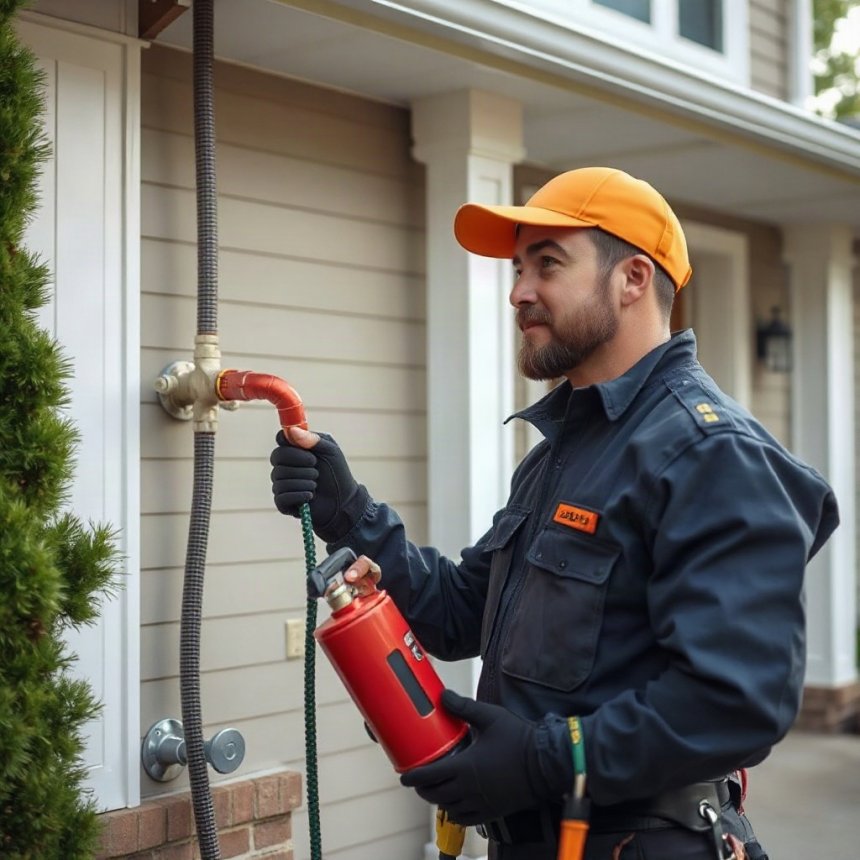
Locate and Operate the Emergency Shutoff Valves: Every tenant should know where the local and main water shutoff valves are located upon moving in. Individual fixtures like toilets, sinks, and washing machines typically have dedicated shutoff valves directly underneath or behind them. Turning these handles clockwise halts water flow to that specific fixture without cutting water to the entire building. If a localized valve is stripped, stuck, or missing, locate the main property shutoff valve. In single-family Fresno rentals, this is often near the exterior foundation or inside a utility box near the front yard. In multi-family complexes, management should provide instructions for unit-specific or building shutoffs.
Contain Active Leaks Safely: Use buckets, towels, and shallow plastic bins to catch dripping or pooling water. If water is pooling near electrical outlets, baseboard heaters, or appliances, do not step in standing water or touch electrical switches. Turn off power at the breaker panel if it is safe to access without walking through water.
Clear Valuables from Affected Areas: Move rugs, electronics, clothing, and stored items away from the leak zone to prevent irreversible water damage. Document the initial condition of the area with clear photographs or video for your records and to share with the property manager.
Understanding Tenant Responsibilities Versus Landlord Obligations
In California residential leases and commercial agreements, the division of plumbing responsibility is generally dictated by the lease terms and the cause of the issue. Understanding these lines helps prevent disputes and ensures the right steps are taken:
-
Tenant Mitigation Duty: Tenants are universally expected to act reasonably to mitigate damages once a problem is discovered. Failing to turn off a running water source after noticing a flood can lead to tenant liability for the resulting avoidable water damage, regardless of who caused the original pipe failure.
Landlord Repair Duty: Property owners and landlords are responsible for maintaining habitable premises, which includes repairing structural plumbing failures, leaking supply lines, broken water heaters, and main sewer line blockages, provided the damage was not caused by tenant negligence or misuse.
Misuse and Minor Maintenance: If a drain clogs because grease or excessive hygiene products were flushed or washed down the drain, lease agreements often place the burden of that specific service call on the tenant. However, clearing the main sewer lateral or repairing aging galvanized or copper supply lines remains the landlord's responsibility.
Safe Troubleshooting Versus Prohibited Interference
While tenants can take practical containment steps, certain actions should be avoided to prevent personal injury or escalation of property damage.
-
What Tenants Can Safely Do: Plunging a standard toilet or single sink with a manual plunger is generally acceptable if the clog is minor. Cleaning out a sink's aerator or wiping down a visible surface connection to check for moisture accumulation are also safe observations.
What Tenants Must Avoid: Never attempt to disassemble pressurized water supply lines, shut off main gas lines connected to tankless or standard water heaters, use harsh chemical drain cleaners on old or compromised pipes, or cut into drywall to locate a concealed slab leak. Chemical drain openers can sit stagnant in blocked pipes, splashing caustic liquid onto skin or fixtures when a plumber eventually opens the line.
Documenting and Reporting the Issue Effectively
When you contact your landlord, property manager, or designated emergency maintenance line, providing precise details accelerates the dispatch process and ensures the plumber arrives with the correct equipment.
-
Communicate the Urgency Accurately: Distinguish between an active, uncontained flood (which requires an immediate emergency dispatch) and a slow, contained leak under a vanity (which can usually be scheduled during normal business hours).
Report Specific Symptoms: Explain what is happening precisely. State whether water is clean supply water or contaminated wastewater (sewage backup), whether multiple fixtures are affected simultaneously, and whether the water meter is actively spinning while all indoor fixtures are turned off.
Keep Written Records: Maintain a log of every communication, including the date, time, name of the person spoken to, and summary of instructions given or received.
Frequently Asked Questions
What should I do if the main water shutoff valve is stuck or won’t turn?
Do not force a stuck valve with excessive leverage or wrenches, as older gate valves can snap off, turning a minor leak into a major geyser. If the local fixture shutoff works, use that instead. Immediately notify your landlord or property manager that the main valve is inoperable so they can dispatch a professional to replace or service it safely.
Is it okay to use liquid drain cleaner if my rental apartment’s tub is draining slowly?
It is generally best to avoid chemical drain cleaners in rental properties. Many multi-family properties and older homes feature aging cast-iron or ABS drainage systems where caustic chemicals can damage pipe walls, seals, or fixtures. Furthermore, if the chemical fails to clear the clog, a professional plumber working on the line later faces severe chemical splash hazards. Notify management or use a mechanical hand-crank snake if permitted by your lease.
Who pays for the plumber if the plumbing issue was caused by tree roots in the sewer line?
Tree root intrusion in the main sewer lateral is an exterior, structural infrastructure issue. Unless a tenant or leaseholder was proven to have introduced unauthorized items into the sewer system, the maintenance, rooter service, and pipe repair costs are the responsibility of the property owner or landlord.
How quickly must a landlord respond to a plumbing emergency in Fresno?
California law requires rental properties to be kept in a habitable condition, and substantial plumbing failures affecting access to running water or sanitation are considered urgent habitability issues. While exact timeframes depend on lease terms and the severity of the emergency—such as an active sewage backup or total loss of water—landlords are expected to take prompt, reasonable steps to dispatch professional help once notified.
Should I turn off my water heater if a major leak occurs?
If you are shutting off the main water supply to the entire house or apartment because of a major uncontained leak, you should also shut off the power or gas supply to the water heater. Running a water heater dry or while the water supply is completely interrupted can burn out electric heating elements or damage gas burner assemblies.