Older Home Plumbing Problems in Fresno's Tower District
Explore common plumbing problems in older Fresno Tower District homes, from vintage materials and cast-iron drains to hidden leaks and root intrusion.


Navigating Plumbing Challenges in Historic Fresno Properties
The Tower District is one of Fresno's most historically vibrant neighborhoods, celebrated for its unique character, early-20th-century architecture, and established tree-lined streets. However, the charm of living in a historic home often comes with unique infrastructure challenges. Many properties in this area date back to the 1920s, 1930s, and 1940s, meaning their original plumbing systems have been working hard for nearly a century.
Understanding the common plumbing issues found in older Fresno homes helps property owners anticipate maintenance needs, recognize early warning signs of failure, and make informed repair or replacement decisions. Historic infrastructure requires a different diagnostic approach than modern construction, as vintage materials often interact differently with age, mineral content, and shifting Central Valley soils.
Vintage Pipe Materials and Internal Corrosion
One of the most defining characteristics of older homes in the Tower District is the variety of piping materials found behind walls and beneath floors. Depending on when a property was built or remodeled, it may contain galvanized steel, early copper installations, or even residual segments of older piping.
Galvanized Steel Supply Lines
Many homes built before the mid-20th century originally utilized galvanized steel for interior water supply lines. Over decades of exposure to water, the zinc coating on the inside of these pipes gradually erodes. Once the protective coating wears away, the underlying steel begins to rust and corrode from the inside out.
- Reduced Water Pressure: Rust flakes and mineral buildup narrow the internal diameter of the pipe, significantly restricting water flow to fixtures and showers.
- Discolored Water: Brown or yellowish water when first turning on a tap typically indicates internal oxidation and pipe degradation.
- Sudden Leaks: Corroded threaded joints are common failure points, often resulting in slow leaks inside walls or crawlspaces.
Clearing a clogged aerator or replacing a faucet will not resolve low pressure caused by internal galvanized pipe narrowing. A permanent fix usually requires a targeted or whole-home repipe using modern materials like PEX or copper.
Drain, Waste, and Vent System Complications
Drainage systems in older Fresno neighborhoods face their own distinct set of challenges. Many historic properties were originally plumbed with cast-iron drain lines, while others feature older clay or early plastic sewer laterals connecting the home to the municipal main.
Cast-Iron Pipe Deterioration
Cast iron is undeniably durable, but it has a finite lifespan—typically ranging from 50 to 80 years. In older Fresno homes, these lines are frequently reaching or exceeding their maximum operational window. Over time, wastewater and gases cause internal scaling, roughening the interior pipe walls and making them increasingly prone to catching debris, grease, and hair.
Eventually, the bottom of horizontal cast-iron drain pipes can thin out due to corrosion, leading to structural failure, slow draining, or underground collapses beneath the slab or crawlspace.
Mature Trees and Root Intrusion
The Tower District is famous for its large, mature shade trees. While these trees enhance neighborhood aesthetics, their root systems continuously seek moisture sources. Older sewer laterals—particularly clay pipes with mortar joints or aging cast iron with minor cracks—are highly susceptible to root intrusion. Roots penetrate tiny openings, expand inside the pipe, and create massive blockages that trap solid waste and cause frequent backups.
Slab Foundation and Crawlspace Considerations
Foundation styles in the Tower District vary. Some properties feature raised foundations with accessible crawlspaces, while others are built on concrete slab foundations, or a combination of both due to additions over the decades.
- Crawlspaces: While raised foundations offer easier access for inspecting and repairing supply and drain lines, older wooden supports and vintage pipe hangers can sag, putting stress on rigid joints and creating misalignment leaks.
- Slab Foundations: Homes built directly on concrete can experience under-slab leaks if copper supply lines corrode where they contact damp soil or concrete aggregates. Unexplained warm spots on the floor, high water bills, or the sound of running water when all fixtures are closed are classic indicators of a sub-slab leak that requires professional electronic leak detection.
Diagnostic Realities and Professional Assessment
Diagnosing plumbing issues in a historic home requires patience and specialized equipment. Symptoms can easily be misinterpreted. For example, a slow-draining bathtub in a vintage bathroom might look like a simple hair clog, but it could actually signal a failing cast-iron sanitary tee or a compromised main sewer line venting incorrectly.
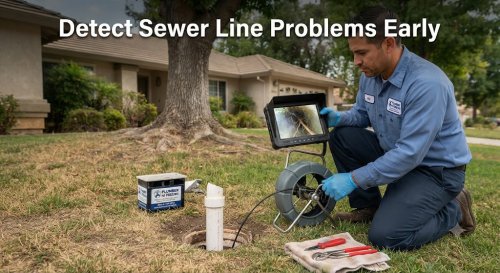
Professional inspections often utilize targeted video camera sewer inspections to view the interior condition of underground drain lines without unnecessary excavation. Similarly, pressure tests on water supply systems help isolate whether a leak is localized to a single fixture or hidden within the walls or foundation.
Frequently Asked Questions
How can I tell if my Tower District home still has galvanized steel pipes?
You can often inspect exposed pipes in your crawlspace, basement, or utility area. Galvanized steel is dull gray, magnetic, and typically connected with threaded fittings. If your home was built before 1960 and has never been repiped, there is a strong possibility some original galvanized lines remain.
Are sewer lateral inspections recommended before buying an older Fresno home?
Yes. A specialized sewer camera inspection is highly recommended during a home purchase in historic neighborhoods. Older clay or cast-iron sewer lines can have structural damage, root intrusion, or bellies that are invisible during a standard home inspection.
Why do older drains clog more frequently than modern ones?
Over decades, cast-iron and galvanized drain pipes accumulate inner scale, grease, and mineral buildup. This rough interior texture catches everyday debris much faster than smooth, modern PVC or ABS piping, leading to recurring slow drains and blockages.
Can chemical drain cleaners damage older plumbing?
Yes. Harsh chemical drain openers generate heat that can warp older plastic components, weaken deteriorating metal pipes, and severely damage aged seals and joints. Mechanical snaking or professional hydro-jetting is generally a safer and more effective approach for historic systems.
Who is responsible for the sewer line between the house and the street in Fresno?
Property owners are typically responsible for the entire sewer lateral running from the building structure all the way to the connection at the City of Fresno public main in the street or alley, including the property line cleanout. Property deeds and local utility guidelines should always be verified for exact boundaries.