Plumbing Repair in Fig Garden: What Homeowners Should Know
Learn what to expect during plumbing repairs in Fig Garden, Fresno. Discover common issues in older homes, materials, diagnostic steps, and repair decisions.


Understanding Fig Garden Plumbing Systems
Fig Garden is one of Fresno's most historic and established neighborhoods, known for its sprawling lots, mature tree canopies, and architectural character. However, these distinct characteristics also mean that plumbing systems in Fig Garden homes often differ significantly from those in newer Fresno subdivisions. Many properties built decades ago feature aging infrastructure, mature landscaping root systems near sewer lines, and a mix of original and updated piping materials.
When a plumbing failure occurs in a historic or mid-century home, the repair approach requires a balance between modern repair techniques and respect for the property's unique layout. Understanding what to expect during a plumbing repair helps property owners make informed decisions, avoid unnecessary structural disruption, and ensure long-term reliability.
Common Plumbing Challenges in Older Fresno Neighborhoods
Plumbing repair projects in neighborhoods like Fig Garden frequently involve specific material limitations and wear patterns associated with age. Identifying the exact nature of the problem is the first step toward a lasting solution.
- Aging Piping Materials: Depending on the exact decade a home was constructed, plumbing systems may include galvanized steel supply lines, cast iron drain pipes, or early-generation copper. Galvanized pipes are particularly prone to internal mineral accumulation and rust restriction over time, leading to reduced water pressure and eventual pinhole leaks.
- Tree Root Intrusion: Mature, beautiful trees are a defining feature of Fig Garden, but sprawling root systems naturally seek out sources of moisture. Clay or cast-iron sewer laterals running from the house to the municipal main are vulnerable to root infiltration through small joints or hairline cracks, resulting in slow drains or complete blockages.
- Slab and Sub-Floor Leaks: Many ranch-style homes in the area utilize concrete slab foundations where supply lines run underneath or through the slab. Shifting soil, chemical interactions with concrete, or normal pipe fatigue can cause hidden leaks beneath the floor.
Distinguishing Symptoms from Confirmed Diagnoses
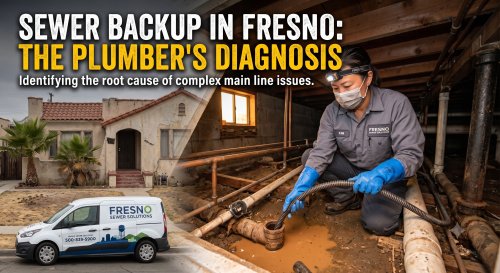
Homeowners often notice surface symptoms long before a plumber identifies the root cause. For example, a slow-draining kitchen sink might simply indicate a localized clog in the trap, or it could signal a collapsing cast-iron waste line underneath the floor. Similarly, a spike in a monthly water bill accompanied by the sound of running water when all fixtures are closed strongly points toward a hidden supply leak, but pinpointing whether that leak is in the yard, a wall, or under a slab requires specialized diagnostic tools such as electronic acoustic leak detection or pressure testing.
Relying on a surface symptom alone without a proper diagnostic isolation step can lead to incomplete repairs. A reputable repair process always begins with verifying the source of the failure rather than treating the visible effect.
Repair vs. Replacement Considerations
When faced with a failing plumbing component, homeowners must decide whether to spot-repair the immediate failure or replace an aging section of the system entirely.
Spot repairs are generally appropriate when dealing with a single isolated defect, such as a localized joint failure on a relatively sound copper or modern PEX line. However, if a home still contains extensive runs of aging galvanized steel or severely corroded cast iron, repeatedly repairing failing sections can become a continuous cycle of expense. In such cases, partial or whole-home repiping or trenchless sewer lining provides a more permanent remedy.
Factors That Influence the Scope of Work
Practical Maintenance and Prevention for Fig Garden Properties
While not all plumbing failures can be prevented, proactive maintenance significantly reduces the likelihood of emergency repairs.
Property owners should regularly inspect visible pipe connections beneath sinks, check water heater operation, and monitor outdoor hose bibs. In homes with mature landscaping, periodic video camera inspections of the main sewer lateral can catch root intrusion early, allowing for minor hydro-jetting or rooter service before a structural collapse occurs. Additionally, knowing the exact location of the main water shutoff valve ensures that water can be isolated quickly in the event of a sudden rupture.
Frequently Asked Questions
How do I know if my Fig Garden home has galvanized steel pipes?
Galvanized steel pipes are typically dull gray and magnetic. You can check an exposed pipe in the garage, crawlspace, or near the water heater by holding a strong magnet to it; if the magnet sticks, the pipe is likely steel. If you notice a progressive drop in water pressure or discolored water when opening taps after a period of non-use, it is often an indicator of internal pipe corrosion.
Are tree roots covered by standard homeowners insurance?
Standard homeowners insurance policies typically cover sudden and accidental water damage inside the home caused by a broken pipe, but they generally exclude maintenance issues, gradual wear and tear, and damage caused by tree roots to underground sewer lines. Reviewing your specific policy or considering a supplemental service line endorsement is recommended.
What is trenchless sewer repair, and is it suitable for older yards?
Trenchless sewer repair allows plumbers to replace or rehabilitate underground sewer lines without excavating long trenches across lawns, driveways, or mature landscaping. Methods like pipe bursting or cured-in-place pipe (CIPP) lining require only small access pits, making them ideal for preserving established yards and historic hardscaping.
Why does my water pressure fluctuate or seem low at certain fixtures?
Low pressure at a single fixture is often caused by a clogged aerator or showerhead mineral scale buildup, which is common in areas with hard water. If low pressure affects multiple fixtures simultaneously, the cause could be a failing pressure regulator, a partially closed main valve, or severe mineral restriction inside older supply piping.
Who is responsible for the water and sewer line between the street and the house?
In Fresno, property owners are generally responsible for the entire private water service line and sewer lateral from the structure all the way to the connection point at the city main or property line. Confirming the exact boundary of responsibility with the local utility provider helps clarify who handles issues near the street or sidewalk.