Detect Sewer Line Problems Early
Learn how to detect a sewer line problem before it becomes an emergency. Spot warning signs, understand causes, and protect your Fresno home.

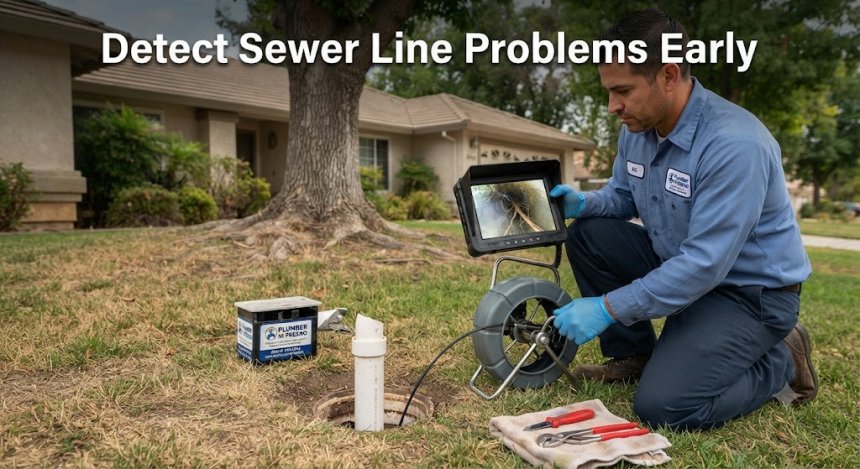
The Hidden Threat of Failing Main Drains
Discovering a foul sewage odor or noticing multiple drains backing up simultaneously is every property owner's worst nightmare. Knowing how to detect a sewer line problem before it escalates into a catastrophic structural emergency saves you from thousands of dollars in property damage. Homeowners across Fresno frequently experience hidden sewer line stress due to regional ground conditions and mature landscaping, yet many overlook early, subtle warning signs. Ignoring a sluggish or damaged main waste line allows wastewater to saturate sub-slab soils or crawlspaces, creating severe health hazards and undermining your foundation. Catching these indicators early allows for targeted repairs before total line failure strikes.
What Is a Main Sewer Line? Decoding the Mechanism
Your home’s main sewer line is the heavy-duty underground pipe responsible for carrying all graywater and blackwater waste from your toilets, sinks, showers, and laundry units out of your house and into the municipal sewer main or septic tank.
In a healthy plumbing network, wastewater moves swiftly through gravity-fed pipes pitched at a downward angle. When structural cracks, bellies, or tree root intrusions develop along this underground conduit, wastewater flow slows down, solids catch on internal obstructions, and pressure builds backward. This disruption causes multi-fixture backups where flushing a toilet forces waste up into your shower basin or floor drains.
Root Causes: Why Sewer Line Failures Happen in Fresno Homes
Fresno’s unique Central Valley environment and housing history present specific geological and infrastructure challenges that threaten underground waste lines:
-
Expansive clay soil movement: Seasonal moisture fluctuations in Central Valley clay sub-grades cause soils to expand and contract, placing severe stress on buried sewer pipes and causing joints to offset or snap.
-
Aggressive tree root intrusion: Mature shade trees planted across Fresno residential neighborhoods constantly seek moisture, forcing fine roots through tiny micro-cracks or joint seals into the nutrient-rich interior of sewer pipes.
-
Aging infrastructure materials: Older homes in historical Fresno districts often feature aging cast-iron or clay lateral lines that have corroded, cracked, or collapsed after decades of continuous use.
-
Grease and scale accumulation: Decades of accumulated cooking oils, soap scum, and mineral scale narrow the internal diameter of waste lines until blockages become inevitable.
Critical Warning Signs: When Your Property is Sounding the Alarm
Recognizing early sensory indicators helps homeowners catch major sewer issues before waste floods living spaces.
-
Olfactory clues: Persistent sulfurous or raw sewage odors lingering around floor drains, basement corners, or exterior cleanout caps.
-
Auditory warnings: Gurgling or bubbling sounds emanating from toilet bowls or shower drains when you run the washing machine or flush a nearby toilet.
-
Performance indicators: Multiple fixtures draining sluggishly at the same time, or water level fluctuations in toilet bowls when running unrelated water sources.
Professional Diagnostic & Repair Workflow
When a main sewer line shows signs of distress, a licensed, insured plumber applies a systematic, engineering-based diagnostic workflow.
-
Step 1: Non-Invasive Triage & Safety Isolation. The technician evaluates the affected fixture network and reviews the pattern of backups to isolate the blockage point.
-
Step 2: Precision Diagnostic & Digital Video Inspection. The plumber navigates a high-definition push-rod camera directly into the main lateral line to visually inspect for cracks, root masses, or pipe collapses.
-
Step 3: Transparent, Upfront Options & Written Estimating. The professional presents clear, flat-rate repair solutions detailing whether targeted spot repairs, trenchless relining, or full excavation is necessary.
-
Step 4: Code-Compliant Remediation. The technician executes the approved repair using durable, modern materials that comply with local municipal building codes.
-
Step 5: Flow Verification & System Clean-Up. Rigorous flow testing ensures total waste clearance before sanitizing the work area.
Advanced Diagnostics: The Professional Tool Arsenal
Professional technicians rely on specialized, heavy-duty equipment to pinpoint underground failures with absolute accuracy.
-
High-definition push-rod sewer cameras: Provide real-time video of the pipe interior, identifying structural defects, root masses, and grease blockages.
-
Electronic pipe locators: Transmit radio signals from the camera head to pinpoint the exact surface depth and location of underground pipe damage without unnecessary yard excavation.
-
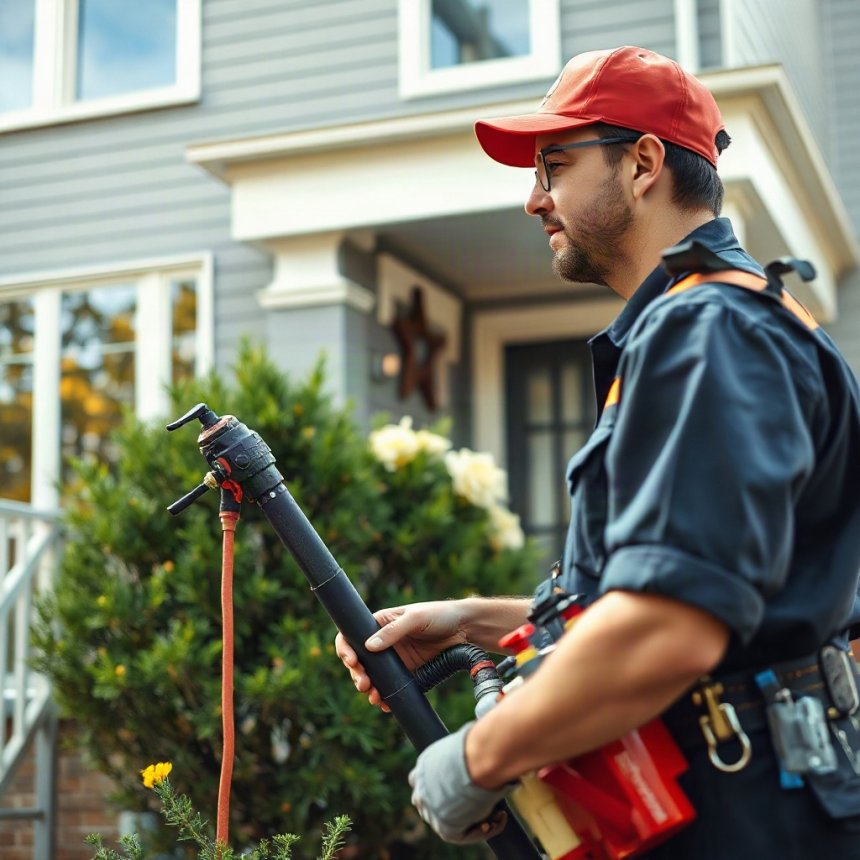
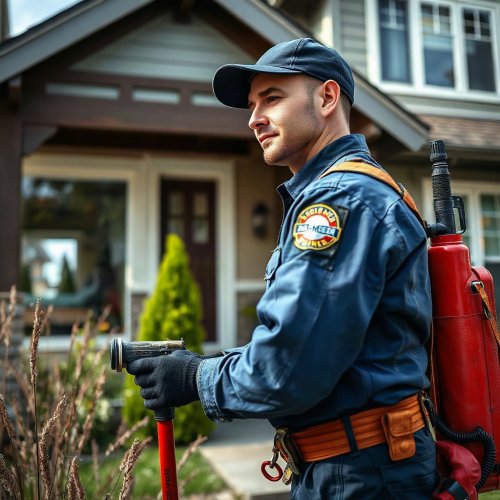
High-pressure hydro-jetting units: Deliver water streams up to 4,000 PSI to scour away roots, grease, and scale completely from pipe walls.
-
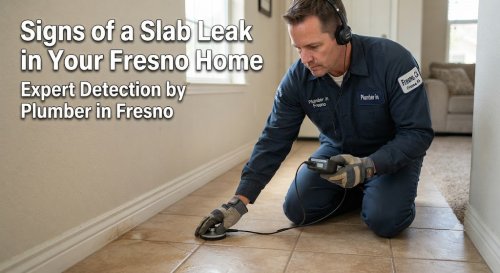
Acoustic listening devices: Detect underground leaks and rushing water sounds beneath concrete slabs or paved driveways.
DIY Reality Check: What You Can Safely Fix vs. When to Step Back
While basic sink clogs can often be handled with household tools, main sewer line issues require strict caution.
-
Safe homeowner actions: Keeping exterior cleanout caps accessible, avoiding flushing non-flushable wipes, and performing routine preventive maintenance.
-
The danger zone: Attempting to force heavy-duty manual snakes down main cleanouts or pouring massive quantities of industrial acid cleaners into failing lines, which can cause severe chemical splash burns or rupture corroded pipes.
-
When to call a pro: If multiple fixtures back up simultaneously, if raw sewage pools in your yard or basement, or if your sewer camera inspection reveals structural pipe collapse.
Financial Breakdown: Cost Factors & Investment Realities
Understanding professional pricing models helps property owners budget effectively for major sewer interventions. Flat-rate pricing depends on several variable inputs:
-
Diagnostic and dispatch fees: Cover technical troubleshooting and video camera deployment to evaluate line conditions.
-
Depth and accessibility: Shallow front-lawn lateral repairs versus deep line runs beneath concrete driveways or interior flooring.
-
Repair method selection: Trenchless pipe relining versus traditional open-trench excavation and replacement.
-
Permitting and municipal fees: Required local permits for connecting private sewer lines to city municipal mains.
Unique Expert Insights: Hard Truths Homeowners Learn Too Late
-
Chemical cleaners destroy old lines: Pouring harsh caustic chemicals into a slow main sewer line generates heat that cracks brittle cast-iron pipes and corrodes interior walls from the inside out.
-
Wipes labeled 'flushable' cause blockages: Even products marketed as flushable do not break down quickly enough, binding with grease to form impenetrable main line plugs.
-
Tree roots return without hydro-jetting: Simply cutting tree roots with a mechanical snake leaves root residue behind; high-pressure hydro-jetting scours the interior clean to delay regrowth.
-
Unlicensed repairs fail real estate checks: Improvised sewer line patches performed by handymen frequently violate building codes and collapse during future home sales.
Comprehensive Home Plumbing Maintenance Framework
-
Spring Checks: Inspect yard grading around your foundation to ensure water drains away from sewer cleanouts, and test all basement floor drains.
-
Fall Preparation: Schedule a professional sewer line inspection or preventive hydro-jetting before heavy winter rains arrive.
-
Year-Round Habits: Never pour cooking oil down drains, use hair strainers on all indoor fixtures, and avoid planting large trees directly over underground sewer paths.
Emergency Protocol: When Immediate Dispatch is Non-Negotiable
Certain sewer line scenarios require immediate 24/7 professional emergency response. Call a plumber instantly if raw sewage begins actively flooding your living spaces, if toilets and showers overflow simultaneously across multiple bathrooms, or if you notice a sudden sinkhole forming in your yard near the sewer lateral path.
Frequently Asked Questions (FAQs)
How can I tell if my main sewer line is damaged?
Common warning signs include multiple slow drains, gurgling toilets, raw sewage backing up into floor drains, and foul odors around your property.
What causes tree roots to invade Fresno sewer lines?
Tree roots naturally seek moisture and nutrients, entering tiny micro-cracks or loose joints in underground sewer pipes during dry summer months.
Can a sewer camera inspection find underground cracks?
Yes, a high-definition push-rod camera travels the entire length of the pipe, allowing plumbers to visually identify cracks, bellies, and root intrusions.
Is trenchless sewer repair better than traditional excavation?
Trenchless pipe relining repairs damaged lines underground without digging up your entire lawn or driveway, saving time and landscaping costs.
Why do my drains gurgle when I flush the toilet?
Gurgling indicates trapped air being pushed backward through the plumbing vent or waste line due to a developing blockage in the main sewer pipe.
How often should a main sewer line be cleaned?
Homes with mature trees or older cast-iron plumbing benefit from professional sewer line hydro-jetting and inspection every 18 to 24 months.
What items should never be flushed down household toilets?
Never flush wet wipes, paper towels, feminine hygiene products, cotton balls, dental floss, or grease, as these materials cause severe main line clogs.
When should I call an emergency plumber for a sewer backup?
Call an emergency plumber immediately if raw sewage pools inside your home or if all household plumbing fixtures stop draining at the same time.