Signs of a Slab Leak in Your Fresno Home
Learn how to tell if you have a slab leak in a Fresno home. Discover warning signs, causes, and expert diagnostics from Plumber in Fresno.

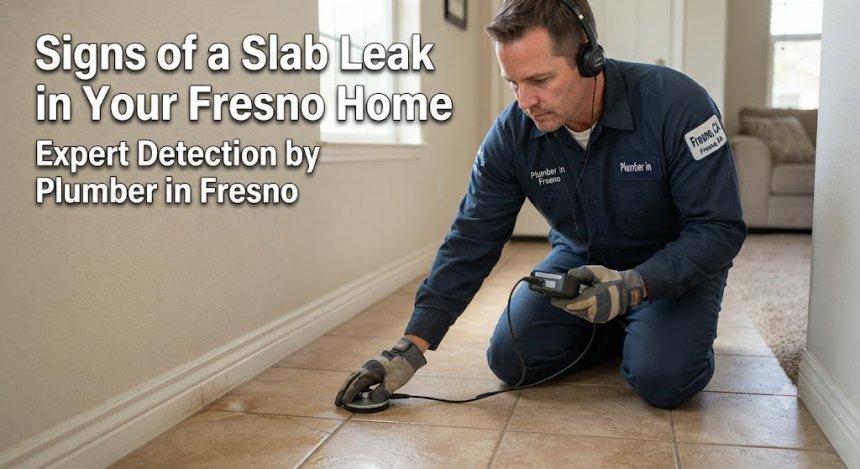
Noticing a mysterious warm spot on your living room floor or watching your water bill spike without explanation can send a wave of anxiety through any property owner. Knowing how to tell if you have a slab leak in a Fresno home is critical because these underground water line breaches can silently erode your foundation before you even realize a pipe has failed. Homeowners across Fresno frequently face this challenge as Central Valley soils shift and mineral-heavy water tests aging copper or polybutylene lines installed beneath concrete slabs. When a pressurized pipe ruptures underground, water escapes continuously against the earth, threatening the structural integrity of your entire house. At Plumber in Fresno, our licensed professionals help Central Valley residents spot early indicators and deploy advanced acoustic technology to locate hidden leaks before they result in catastrophic structural damage.
Financial Breakdown: Cost Factors & Investment Realities
Understanding the financial structure of slab leak remediation helps homeowners prepare for necessary property investments. Plumbing repair costs vary depending on the severity of the problem, accessibility, materials required, emergency service, property type, and local labor rates.
-
Diagnostic and Service Call Fees: Covering the technician's specialized electronic location work and precise system mapping.
-
Specialty Equipment Deployment: Utilizing acoustic listening devices, thermal imaging cameras, and electronic line locators.
-
Material Quality: Choosing between point-repair copper sleeves, rerouting lines through the attic, or executing full sub-slab PEX repiping.
-
Permitting and Code Compliance: Mandatory municipal fees required for major plumbing line reroutes and structural penetrations.
-
Repair vs. Total System Reroute: Weighing the cost of breaking through concrete versus permanently rerouting supply lines overhead to bypass the slab entirely.
What Is a Slab Leak? Decoding the Mechanism
A slab leak occurs when a pressurized water supply or drain pipe running underneath or through a home's concrete foundation slab develops a breach, crack, or pinhole leak.
-
The Ideal Mechanism: Copper or PEX supply lines are encased or laid beneath concrete foundations, delivering clean water securely from your main valve to interior plumbing fixtures under steady pressure.
-
The Breakdown: When soil shifts, abrasive aggregate rubs against copper walls, or chemical reactions thin the metal, water forces its way out under pressure, saturating the ground beneath your slab.
-
Real-World Fresno Scenario: Imagine walking barefoot across your tile floor in a home near the Fresno State area and feeling an unusual, localized hot patch, only to discover a pressurized water leak has been running secretly beneath the concrete.
Root Causes: Why This Problem Occurs in Fresno Homes
Plumbing systems in the Central Valley face unique environmental pressures and structural conditions that contribute to under-slab failures.
-
Expansive Central Valley Clay Soils: Fresno's heavy clay soils swell and contract dramatically with seasonal moisture changes, placing immense physical stress on buried pipes.
-
Hard Water Mineral Friction: Local groundwater contains high levels of minerals and total dissolved solids that can cause localized pitting and internal corrosion in older copper pipes.
-
Abrasive Foundation Contact: Direct contact between copper supply lines and rough concrete aggregates or acidic soil ingredients wears down pipe exterior walls over decades of micro-vibrations.
-
Aged Installation Practices: Homes built during past decades often utilized thin-walled copper tubing or discontinued materials that are inherently prone to pinhole leaks under modern water pressures.
-
Thermal Expansion Stress: Constant temperature shifts from hot water delivery cause pipes to expand and rub against restrictive concrete sleeves, accelerating mechanical fatigue.
Critical Warning Signs: When Your Home is Sounding the Alarm
Slab leaks rarely announce themselves with a gushing geyser; instead, they display subtle red flags that property owners must learn to recognize.
-
Unexplained Water Meter Spikes: If your water meter dial spins continuously while all indoor and outdoor faucets are tightly closed, water is escaping somewhere underground.
-
Auditory Clues: Hearing the faint sound of running water or hissing behind walls when no plumbing fixtures are active in the house.
-
Olfactory Indicators: Musty earth, damp stagnant smells, or mildew odors rising from flooring seams indicate that moisture is trapped beneath your slab.
-
Cascading Structural Risks: Ignoring a slab leak allows continuous saturation to erode foundation sub-base, causing floor cracks, shifting tiles, and potential structural settling.
Professional Diagnostic & Repair Workflow
When a slab leak is suspected, licensed professionals execute a meticulous, non-destructive diagnostic protocol.
-
Step 1: Non-Invasive Triage & Safety Isolation: We isolate home supply lines and perform static pressure tests to confirm whether water is escaping within the pressurized system.
-
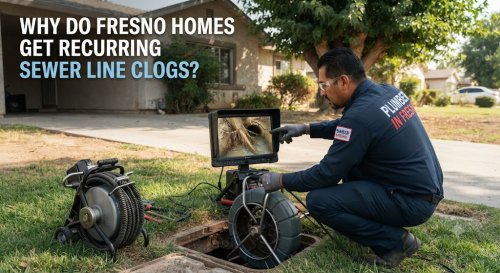
Step 2: Precision Electronic Localization: We use acoustic listening equipment and thermal cameras to map the exact coordinates of the leak beneath the concrete.
-
Step 3: Transparent, Upfront Options & Written Estimating: We present clear repair strategies—such as spot repair, epoxy lining, or overhead rerouting—with upfront pricing before work begins.
-
Step 4: Code-Compliant Remediation: We execute the approved repair or overhead line reroute in strict compliance with local Fresno building codes.
-
Step 5: Pressure Testing & Restoration: We retest system pressure to guarantee zero leaks, sanitize the work area, and restore any opened surfaces.
Advanced Diagnostics: The Professional Tool Arsenal
Professional leak detection relies on sophisticated engineering technology rather than destructive guessing games.
-
Electronic Acoustic Leak Detectors: Amplify the specific frequency of water escaping under high pressure through microscopic pipe pinholes.
-
Thermal Imaging Infrared Cameras: Detect subtle temperature differentials on floor surfaces caused by leaking hot water lines beneath concrete slabs.
-
Electronic Line Locators: Trace the exact path and depth of metallic pipes running through your foundation and landscaping.
-
Digital Manometers and Pressure Kits: Measure exact system pressure loss to verify the presence and severity of a hidden leak.
DIY Reality Check: What You Can Safely Fix vs. When to Step Back
-
Safe Homeowner Actions: Monitoring your water meter regularly, checking visible baseboards for moisture, and testing indoor fixtures for silent leaks.
-
The Danger Zone: Attempting to jackhammer concrete floors without knowing exact utility or rebar locations, which risks severing electrical lines or sewer pipes.
-
When to Call a Professional: The moment you suspect water beneath your foundation, as slab leaks require specialized acoustic equipment and licensed plumbing intervention to resolve safely.
Unique Expert Insights: Hard Truths Homeowners Learn Too Late
-
Temporary patch kits mask deeper system failures and void home insurance clauses. Slapping a quick fix on a chronic pipe issue ignores systemic corrosion, leaving you unprotected if structural damage occurs.
-
Chemical drain cleaners corrode pipe walls from the inside out. Pouring harsh chemical solutions down household drains generates intense heat that melts PVC and eats away at metal joints.
-
Unlicensed handymen often create hidden code violations that fail during real estate home inspections. Hiring unqualified help for plumbing modifications frequently leads to cross-connections or improper venting that surfaces painfully when you try to sell your home.
-
Preventive maintenance plans cost a fraction of a single emergency midnight extraction. Scheduling routine evaluations prevents catastrophic pipe blowouts that require expensive structural drying and remediation.
Comprehensive Home Plumbing Maintenance Framework
Proactive property care helps mitigate environmental stress on your home's hidden infrastructure.
-
Spring/Summer Checks: Monitor irrigation systems for line breaks, ensure proper drainage away from exterior foundation walls, and check visible pipe connections.
-
Fall/Winter Preparation: Insulate exposed lines near exterior garage walls and monitor your water meter during periods of seasonal ground movement.
-
Year-Round Habits: Check monthly utility statements for unexplained usage creep, avoid harsh chemical cleaners, and test your main shut-off valve semi-annually.
Emergency Protocol: When Immediate Dispatch is Non-Negotiable
Certain plumbing scenarios involving foundation leaks demand an immediate emergency response.
-
Catastrophic Slab Fractures: When an under-slab pipe completely separates, causing active water flooding through concrete flooring.
-
Total Loss of Potable Water Supply: Sudden, complete failure of water delivery to all home fixtures due to a major service breach.
-
Severe Electrical Hazards: When sub-slab leaks saturate areas near floor electrical outlets or sub-panel wiring.
-
Active Foundation Settling: Rapid cracking of walls or shifting tiles accompanied by damp flooring.
Frequently Asked Questions (FAQs)
-
How do I know if my water bill indicates a slab leak? A sudden, unexplained spike in your monthly water bill when your usage habits remain identical is a primary indicator of a hidden leak.
-
How much does slab leak detection cost? Diagnostic costs vary depending on the size of the home and whether advanced acoustic and thermal imaging equipment is required.
-
Can home insurance cover slab leak repairs? Coverage depends on your specific policy; many policies cover the resulting water damage from the leak, though repairing the pipe itself may fall under maintenance.
-
Is it better to repair a slab leak or reroute the line? Rerouting overhead is often recommended for older piping networks to prevent future leaks in aging under-slab copper lines.
-
How long does slab leak repair take? Most electronic detections take a few hours, while full repairs or rerouting projects typically take one to two days depending on complexity.
-
Can a slab leak cause my floors to feel warm? Yes, a leak on a hot water supply line directly heats the concrete slab, creating noticeable warm patches on tile or hardwood floors.
-
What sounds do slab leaks make? You might hear a faint hissing, rushing, or dripping sound near walls or floors when all household faucets are completely turned off.
-
Do slab leaks cause cracks in walls? Severe foundation saturation can cause soil shifts that lead to drywall cracks, sticking doors, and uneven flooring.
-
Can I live in my Fresno home during slab leak repairs? Yes, most repairs are localized, and even during an overhead reroute, water service is typically restored by the end of each workday.
-
Why are slab leaks so common in older homes? Decades of soil movement, combined with aging metal pipes rubbing against concrete and mineralized water, wear down pipe walls over time.