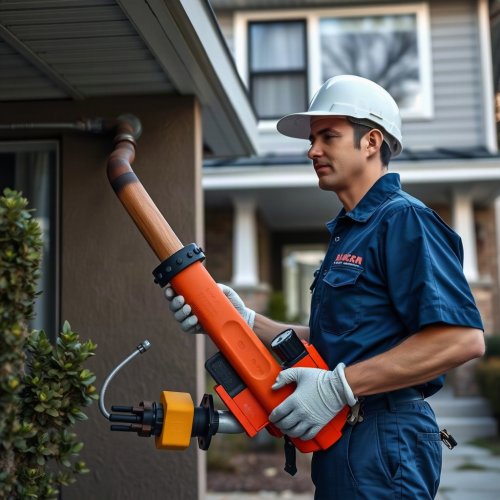
Tower District Plumbing: Older Home Issues & Solutions
Explore common older home plumbing problems in Fresno's Tower District, from vintage galvanized pipes to vintage fixtures and root intrusion.


Navigating Plumbing Realities in Historic Tower District Homes
Properties in Fresno’s historic Tower District carry plenty of character, featuring architectural details and craftsmanship rarely duplicated in modern developments. However, that vintage charm often extends to the plumbing infrastructure hidden behind plaster walls, beneath pier-and-beam foundations, or buried in mature yards. Homes constructed in the early-to-mid 20th century frequently rely on aging materials that have outlived their original manufacturing lifespans. Recognizing how these legacy systems fail helps property owners distinguish minor maintenance from critical repair needs.
Vintage Pipe Materials and Internal Corrosion
Many older residences in the Tower District were originally plumbed with galvanized steel or early types of copper and brass. Over decades of exposure to mineral content, internal surfaces accumulate scale and mineral buildup. This gradual narrowing of the pipe interior restricts water volume and creates noticeable pressure drops when multiple fixtures operate simultaneously.
Galvanized steel pipes are particularly susceptible to internal rusting. As the zinc coating erodes, iron oxidation flakes off into the water stream and accelerates wall thinning. Property owners frequently notice reddish-brown water upon opening a faucet after a period of non-use, or experience a sudden reduction in shower pressure. Once internal corrosion reaches an advanced stage, patching localized leaks offers only temporary relief because the surrounding pipe wall remains structurally compromised.
Cast-Iron and Clay Sewer Laterals
Below the ground surface, the drainage systems of vintage Fresno properties often feature cast-iron building drains and vitrified clay sewer laterals connecting to the municipal main. Cast-iron pipe possesses a typical lifespan of 50 to 80 years. Over time, wastewater acidity, household chemicals, and soil settling cause interior pitting, bottom-pipe corrosion, and structural cracking.
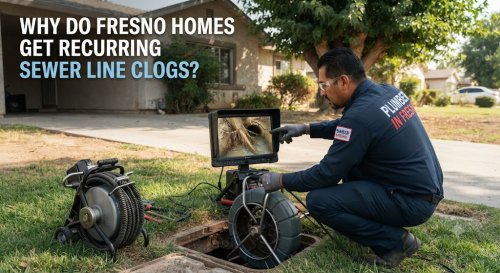
A compromised sewer lateral frequently reveals itself through multiple slow-draining fixtures, gurgling sounds in toilets when washing machines discharge, or sewage backups in low-lying floor drains. Mature landscaping, a defining feature of neighborhoods like the Tower District, introduces another persistent challenge: root intrusion. Tree roots seek out moisture through microscopic gaps in aging clay pipe joints or cracked cast-iron walls, eventually expanding inside the line and creating dense blockages that standard drain snakes can only temporarily clear.
Outdated Fixture Connections and Supply Stops
Original shut-off valves beneath sinks and behind toilets in older homes often utilize rigid brass or gate-style mechanisms. When these valves sit unoperated for years, the internal packing nuts and washers seize up. Attempting to force a stuck gate valve during a routine fixture repair can snap the valve stem, transforming a simple maintenance task into an emergency water shutoff scenario.
Furthermore, older supply lines connecting wall valves to faucets frequently consist of rigid copper or aging flexible braiding that becomes brittle with age. Upgrading these components to modern quarter-turn ball valves and braided stainless steel supply lines prevents catastrophic failure and water damage.
Venting Deficiencies in Historic Floor Plans
Plumbing vent stacks extend through the roof to equalize air pressure in the drainage system and prevent trap siphonage. In older homes that have undergone multiple renovations or additions over decades, the original venting configuration may be undersized or improperly tied together. Poor venting results in slow drainage, gurgling toilets, and sewer gas odors escaping into living spaces, particularly during heavy weather changes or when multiple plumbing fixtures run at once.
Frequently Asked Questions
How can I tell if my Tower District home still has galvanized steel pipes?
You can often inspect exposed piping in the crawlspace, basement, or under sinks. Galvanized steel is a dull gray metal that is magnetic, unlike copper or brass. If your home experiences low water pressure throughout or discolored water upon opening taps after a vacation, it strongly indicates internal pipe corrosion.
Are sewer backups common in older Fresno neighborhoods?
They can be, primarily due to the combination of mature shade trees and aging clay or cast-iron sewer laterals. Tree roots naturally infiltrate small joints or cracks in older pipes. Periodic video camera inspections help determine the exact structural condition of your underground drain lines.
Should I replace all my old plumbing at once?
Complete repiping is rarely required immediately unless active leaks, severe corrosion, or recurring contamination make the system unusable. Many property owners address failing sections strategically during kitchen or bathroom remodeling projects, or prioritize replacing vulnerable supply lines and aging sewer laterals first.
What should I check before hiring a plumber for an older home repair?
Verify that the technician is experienced with vintage construction methods, non-standard pipe diameters, and historic preservation considerations. Older systems often require specialized transition fittings to connect legacy piping materials safely to modern PVC, PEX, or copper components.