Plumbing Repair in Fig Garden: What Homeowners Should Know
Explore common plumbing repair considerations for Fig Garden homes, including vintage pipe materials, mature trees, slab leaks, and effective solutions.


Understanding Fig Garden Plumbing Systems
Fig Garden is one of Fresno's most historic and established neighborhoods, known for its sprawling lots, deep character, and mature canopy of trees. However, these distinct architectural and environmental traits directly influence how residential plumbing systems age, fail, and require repair. Homes built decades ago often feature a mix of original and upgraded piping materials, ranging from threaded galvanized steel and cast iron to early-generation copper and modern PEX. Understanding how these vintage systems operate is the first step toward diagnosing unexpected leaks, pressure drops, or slow drains.
Unlike modern subdivisions with standardized PVC and PEX layouts packed neatly into crawlspaces or open attics, Fig Garden properties often conceal their plumbing infrastructure beneath concrete slab foundations, behind lath-and-plaster walls, or deep within mature landscape root zones. When a plumbing failure occurs, recognizing the specific symptoms helps homeowners determine whether a situation requires minor maintenance, targeted trenchless repair, or a comprehensive repipe.
Common Plumbing Issues in Established Neighborhoods
Older properties frequently present distinct diagnostic challenges compared to newer construction. The most common service calls in established Fresno neighborhoods typically involve hidden leaks, slow-running drainage, and localized water pressure irregularities.
Galvanized Steel and Copper Wear
Many older homes were originally plumbed with galvanized steel supply lines. Over decades of exposure to mineral-rich municipal water, these iron pipes naturally accumulate internal scale deposits. This calcification gradually chokes the interior diameter of the pipe, reducing flow rates at fixtures. Eventually, the metal corrodes from the inside out, leading to pinhole leaks behind walls or beneath floors. Even copper piping, while vastly superior in lifespan, can develop localized pinhole leaks due to aggressive soil conditions or chemical reactions over 30 to 40 years of continuous use.
Mature Trees and Sewer Lateral Intrusion
The iconic shade trees that define the Fig Garden aesthetic also present persistent challenges for underground drainage. Tree roots are naturally drawn to the moisture and warmth inside buried sewer lines. Older clay, cast-iron, or Orangeburg sewer laterals often develop minor cracks or hairline joints as foundations settle. Tree roots exploit these microscopic openings, entering the pipe and multiplying until they create a dense obstruction that captures grease, paper, and waste, resulting in frequent main-line backups.
Slab Leaks and Sub-Grade Failures
Because many ranch-style homes in the area are built directly on concrete slab foundations, supply lines running underneath the concrete are vulnerable. Shifting soil, thermal expansion, and abrasive friction against the surrounding aggregate can wear away the exterior wall of a copper or steel pipe until it breaches. Warm spots on the floor, unexplained increases in water bills, or the sound of running water when all fixtures are closed are classic indicators that warrant professional leak detection.
Diagnostic Approaches and Safe Homeowner Checks
Before calling a professional or approving an invasive repair, homeowners can perform several safe, non-destructive checks to narrow down the nature of the problem.
- Water Meter Test: Turn off all indoor and outdoor faucets and water-using appliances. Locate the property's water meter near the street or property line and observe the leak indicator dial. If the small triangle or dial is spinning, water is actively escaping somewhere between the meter and your home.
- Fixture Aerator Inspection: If low water pressure is confined to a single sink or shower, unscrew the faucet aerator or showerhead. Mineral scale and debris frequently clog these screens, mimicking a serious supply-line restriction.
- Isolation Testing: For suspected indoor leaks, check individual supply valves beneath toilets and sinks. Shutting off a toilet supply valve overnight can reveal whether a silent flapper leak is draining the tank and running continuously.
These preliminary steps cannot replace a pressure test or electronic acoustic leak detection, but they help establish whether the fault is an isolated fixture component or a major structural failure.
Repair Options and Long-Term Considerations
When a professional plumbing repair is necessary in an established home, contractors generally offer multiple intervention levels depending on the severity and location of the damage.
Targeted Repair vs. Repiping
If a single pinhole leak develops in an accessible section of copper pipe, a qualified plumber can cut out the damaged segment and solder in a new coupling. However, if the pipe wall has thinned due to widespread internal corrosion, spot repairs often trigger adjacent failures shortly afterward. In homes with widespread galvanized steel degradation, a partial or complete repipe using modern PEX or copper is often more cost-effective over the long term than paying for repeated emergency patches.
Trenchless Sewer Replacement
When tree roots have structurally compromised an underground sewer lateral, traditional open-trench excavation can destroy mature landscaping, concrete driveways, and established lawns. Modern trenchless pipe bursting or cured-in-place pipe (CIPP) lining allows technicians to rehabilitate or replace the entire underground line from access points with minimal disruption to the surface property.
Evaluating Contractor Estimates and Scope of Work
Before authorizing major plumbing work on an older property, homeowners should request a clear, itemized scope of work. Ensure the estimate explicitly details:
- Whether drywall, tile, concrete, or landscaping restoration is included in the quoted price.
- The specific grade and warranty coverage of replacement materials (such as type L copper or cross-linked polyethylene tubing).
- Whether city permits and subsequent building inspections are required for the specific repair scope.
- How water service will be restored during multi-day renovation or repiping projects.
Understanding these variables helps property owners avoid unexpected change orders and ensures the repair integrates safely with the home's existing infrastructure.
Frequently Asked Questions
How can I tell if my low water pressure is a neighborhood issue or specific to my Fig Garden home?
Check multiple hose bibs and indoor fixtures. If pressure is uniformly low across the entire property, the issue likely originates at the main pressure-reducing valve (PRV) or the municipal supply connection. If only one or two fixtures are affected, the restriction is usually localized to those specific shutoff valves, supply lines, or aerators.
Are older homes in Fig Garden required to upgrade their plumbing to current building codes during a repair?
Minor repairs, such as fixing a leaking joint or replacing a faucet, typically do not trigger a mandatory whole-house code upgrade. However, major renovations, complete repiping, or significant sewer lateral replacements often require permits and must comply with current California Plumbing Code standards, particularly regarding backflow prevention and seismic safety.
What are the warning signs of an underground slab leak?
Common indicators include warm spots on concrete flooring, unexplained damp patches under carpets or flooring, mold growth along baseboards, a sudden spike in monthly water consumption, and the sound of running water when all fixtures are turned off.
How often should older sewer lines be inspected in neighborhoods with heavy tree growth?
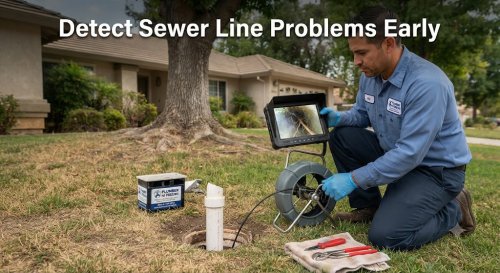
Properties with clay or older cast-iron sewer lines situated near mature trees benefit from a proactive video camera inspection every one to two years. Preventive hydro-jetting or root-cutting can clear minor root intrusions before they cause a complete structural blockage or sewage backup.
Is it better to repair or replace corroded galvanized steel supply pipes?
Because galvanized steel deteriorates from the interior outward across the entire system, spot repairs are generally a temporary fix. Once multiple leaks occur or water pressure drops significantly due to internal scale buildup, replacing the affected runs with PEX or copper provides a permanent solution.