Plumbing Emergencies in Fresno Rentals: Reporting & Management Guide
Learn how Fresno renters, landlords, and property managers should report and manage urgent rental plumbing issues, liability, and safety steps.

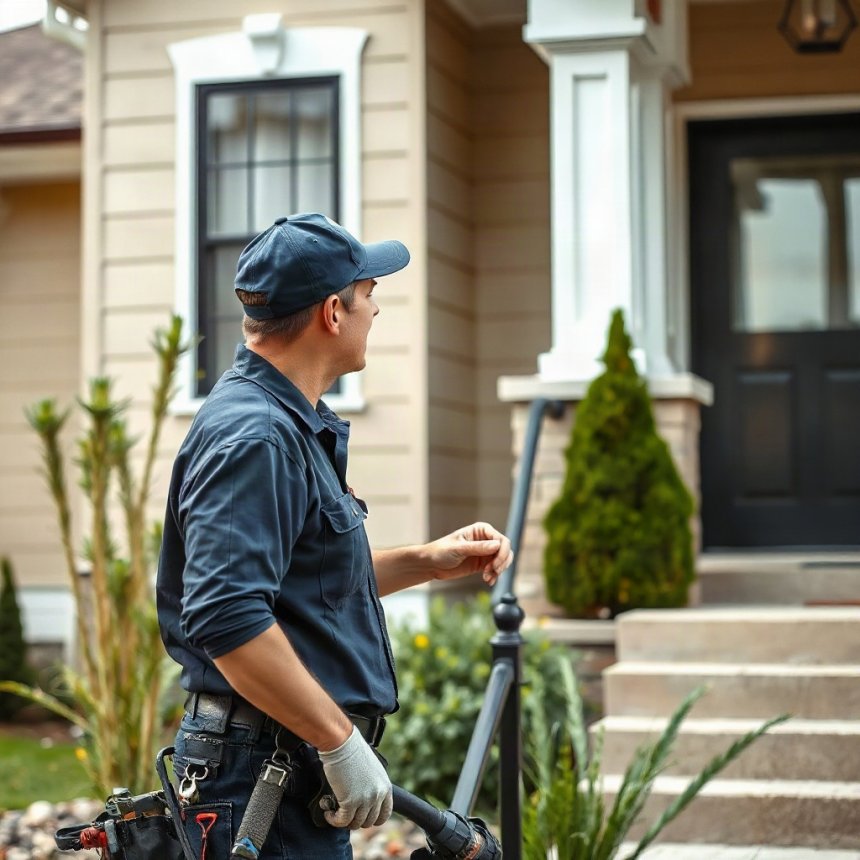
Navigating Plumbing Emergencies in Fresno Rental Properties
When a sudden plumbing failure occurs in a rental property—such as a burst supply line, overflowing toilet, or backed-up main sewer line—knowing how to respond quickly can prevent thousands of dollars in property damage. However, managing these urgent situations in a rental involves specific communication steps, safety precautions, and a clear understanding of legal responsibilities between tenants, landlords, and property managers.
Unlike owning a home, where the occupant simply calls a plumber and pays the bill, a rental property requires coordinated communication to ensure temporary damage is minimized while adhering to California property maintenance laws and lease agreements.
Immediate Steps: Containing Damage and Ensuring Safety
The first few minutes of a severe plumbing emergency dictate how extensive the final damage will be. Both tenants and property managers need to act swiftly to protect the structure.
- Locate and Operate the Emergency Shutoff: Every tenant should know where the main water shutoff valve is located upon moving in. In many Fresno single-family rentals, this is found near the exterior foundation wall, inside a garage, or near the water heater. For apartments and condominiums, individual unit shutoffs or building isolation valves may be located in utility closets or bathroom access panels. Turning this valve clockwise stops pressurized water flow instantly.
- Address Electrical Hazards: Water and electricity are a dangerous combination. If water is pooling near wall outlets, baseboard heaters, or appliance cords, do not touch plugs or switches. If it is safe to do so at the breaker panel, shut off power to the affected area.
- Protect Personal Property: Tenants should move furniture, electronics, and valuables away from active leaks or rising water levels. Documenting the initial damage with clear photographs or video is essential for insurance and communication purposes.
Distinguishing Tenant Obligations from Landlord Responsibilities
A frequent source of conflict during a plumbing emergency is determining who is responsible for reporting, managing, and paying for the repair. Under California law and standard residential lease agreements, maintenance duties are divided based on the cause of the failure and the location of the plumbing lines.
Landlord and Property Manager Responsibilities
Landlords are legally obligated to maintain habitable premises, which includes providing functioning plumbing, weather-tight structures, and working hot and water supply and drainage systems. Sudden structural failures—such as a failing water heater tank, a slab leak under the concrete foundation, an aging corroded pipe burst, or tree roots crushing an exterior sewer lateral—are almost always the financial and operational responsibility of the property owner.
Tenant Responsibilities and Reporting Duties
Tenants are responsible for using plumbing fixtures properly and notifying management immediately when a defect appears. Allowing a minor drip or a running toilet to persist for weeks without notification can make the tenant partially liable for resulting water damage or high utility bills. Furthermore, if a plumbing emergency is directly caused by tenant negligence—such as flushing flushable-labeled wipes, grease, hygiene products, or children's toys down the toilet—the tenant may be held responsible for the clearing costs.
How to Report an Emergency Effectively
When contacting a landlord or property management company during a Fresno plumbing emergency, vague descriptions can delay dispatching help. A clear, factual report ensures the right level of urgency is communicated.
- State the Exact Nature of the Emergency: Clearly state whether water is actively flooding living spaces, sewage is backing up into tubs or sinks, or there is a complete lack of potable water.
- Confirm Shutoff Status: Inform the management whether you have successfully turned off the main water supply or if the valve is stuck or inaccessible.
- Provide Visual Proof: Send immediate photos or a short video clip via text or email if safe to do so. Visuals eliminate guesswork and help the property manager determine whether to dispatch an emergency plumber immediately.
- Establish a Paper Trail: If reporting via phone, follow up with an email or message through the tenant portal summarizing the conversation, the time of the call, and the agreed-upon next steps.
Emergency Access and Coordination Challenges
Managing a rental property emergency often involves coordinating access, particularly in multi-family complexes, apartment buildings, or when a tenant is away from home. California law allows entry by landlords or service professionals without standard advance notice in cases of genuine emergencies where there is an immediate threat to life or property.
Property managers must maintain updated emergency contact lists for all tenants. When an emergency occurs in an unoccupied unit—such as a vacant apartment leaking down into the unit below—management must coordinate emergency entry, which may involve locksmith services if the interior isolation valves cannot be reached from common areas or adjacent units.
Frequently Asked Questions
Frequently Asked Questions
Can a tenant hire an emergency plumber and deduct the cost from Fresno rent?
In California, tenants generally cannot unilaterally hire a contractor and deduct the cost from rent (known as "repair and deduct") without following strict legal procedures. The issue must be severe enough to breach the warranty of habitability, written notice must be given to the landlord allowing a reasonable time to act (typically 30 days, though much shorter in true emergencies), and the repair cost cannot exceed one month's rent. In a sudden emergency, the safest path is immediate notification to secure authorized professional dispatch.
What constitutes a true plumbing emergency in a rental property?
A true plumbing emergency involves active flooding, a complete structural water supply failure, sewage backing up into living areas, or a major gas leak associated with a water heater. A single dripping faucet, a slow-draining shower, or a running toilet that can be temporarily managed by turning off its individual supply valve usually does not qualify as an emergency requiring after-hours dispatch.
Who pays for hotel accommodations if a rental plumbing emergency makes the home uninhabitable?
If a major plumbing disaster, such as a major sewage backup or extensive flooding, renders the dwelling uninhabitable, the tenant may be temporarily relieved of rent obligations for the affected period. Whether temporary lodging expenses are covered depends on the landlord's property insurance policy or the tenant's renter's insurance policy. Landlord insurance typically covers the structure, while renter's insurance is designed to cover personal property and temporary living expenses.
How should water damage mitigation be handled after the plumbing leak is stopped?
Once the active leak is repaired, mitigating secondary damage such as mold and structural rot is critical. Property managers and landlords must coordinate industrial air movers and dehumidifiers if building materials are saturated. Tenants should grant access for drying equipment and avoid turning off mitigation devices prematurely, as trapped moisture in Central Valley properties can rapidly lead to indoor mold growth.