Why Freezing Temperatures Crack Hose Bibs Behind Fresno Stucco
Discover why freezing temperatures crack exterior hose bibs behind Fresno stucco, how trapped water expands, and what signs indicate hidden pipe failures.

The Sudden Snap of a Frozen Outdoor Faucet
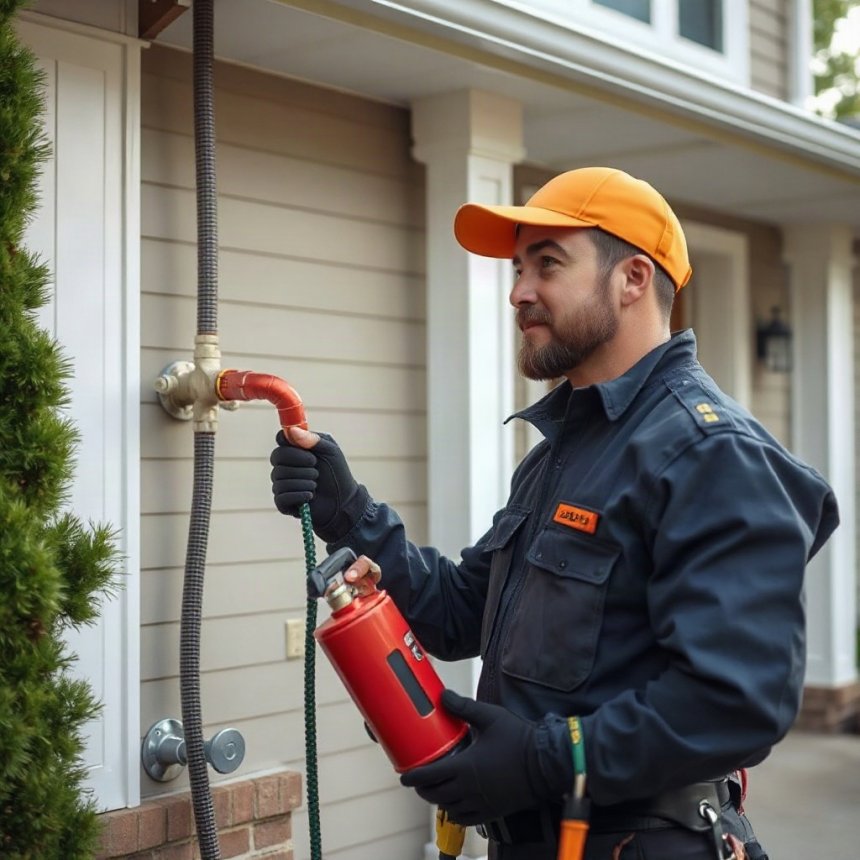
When an overnight freeze hits the Central Valley during a cold winter snap, homeowners sometimes wake up to a strange discovery: water stains on an exterior stucco wall, a hissing sound inside a garage wall, or a catastrophic gush of water the moment an outdoor faucet is turned back on. While Fresno is known for its intense summer heat, overnight temperatures during December and January can dip below freezing. When this happens, an exterior hose bib can freeze, and the resulting damage often occurs completely hidden behind the stucco exterior.
Understanding why freezing weather snaps and cracks these fixtures requires looking at how water behaves under thermal contraction and expansion, how standard hose bibs are installed through thick exterior walls, and why stucco construction can mask the early warning signs of a split pipe.
The Mechanics of Hydraulic Pressure Behind the Wall
Water is an unusual substance because it expands by approximately nine percent when it turns into ice. When a traditional, non-frost-free hose bib or an uninsulated pipe retains water during a hard freeze, that trapped liquid freezes from the outside in. As the ice wedge forms toward the closed valve seat, it seals off any room for the remaining liquid water to escape.
As freezing continues, the trapped water inside the pipe segment undergoes immense hydraulic expansion. Copper, brass, and galvanized steel pipe cannot stretch to accommodate this expanding ice. The pressure spikes dramatically—often exceeding several thousand pounds per square inch—until the metal yields, splits, or cracks. Because the actual freeze point often occurs inside the exterior wall cavity, right behind the layer of wire lath and cement plaster stucco, the break frequently happens out of sight.
Why Stucco Construction Masks the Problem
Stucco is a durable, rigid exterior finish common on Fresno homes, ranging from mid-century ranch houses in Fig Garden to modern builds in newer subdivisions. However, its rigid nature creates unique diagnostic challenges when a plumbing pipe fails behind it:
- Concealed Cavities: Hose bibs usually penetrate a wood or steel-framed exterior wall packed with insulation. The outer layer of stucco and inner drywall trap the pipe, preventing immediate visual detection of a hairline fracture.
- Delayed Symptoms: A cracked pipe behind stucco may not leak heavily while the water inside remains frozen solid as ice. The actual flooding or wet drywall often only manifests hours or days later, once ambient temperatures rise and the ice plug melts.
- Wicking and Absorption: Cement plaster can absorb moisture over time, meaning a slow, steady weep from a cracked fitting might spread across structural framing before a damp spot ever appears on the interior paint or exterior stucco surface.
Distinguishing Between External Damage and Internal Pipe Failure
Homeowners often notice symptoms after a freeze, but it is vital to differentiate between superficial damage and a structural pipe rupture:
Surface handle or packing nut leaks: If water leaks around the packing nut or handle only when the faucet is open, the issue is typically a worn internal washer or loose packing, which is common after temperature fluctuations but does not necessarily mean the supply line itself snapped.
Uncontrolled flow or wall dampness: If water sprays inside the wall cavity, or if the exterior stucco shows bubbling, efflorescence (white mineral deposits), or continuous damp patches without the faucet even being open, the pipe body or soldered joint behind the stucco has structural cracks.
Practical Next Steps After a Freeze
If freezing temperatures have affected your outdoor plumbing, taking methodical steps can prevent minor wall damage from turning into a major structural remediation:
- Locate the Main Shutoff: Know where your home's main water shutoff valve is located—typically near the front hose bib, inside the garage, or near the water heater. If a pipe behind the stucco lets go when it thaws, shutting off the main water supply immediately is critical.
- Inspect While Thawed: Carefully turn on the hose bib once temperatures are safely above freezing. Check for normal water flow, and listen closely to the wall. If the water sputters, refuses to flow, or if you hear water running inside the wall when the valve is closed, shut the water off immediately.
- Remove Hoses and Splitters: Leaving a garden hose, timer, or backflow preventer attached to a hose bib traps water inside the valve body, preventing it from draining out. Even frost-free sillcocks will split if a garden hose remains connected during a hard freeze.
Frequently Asked Questions
Do Fresno homes have frost-free hose bibs?
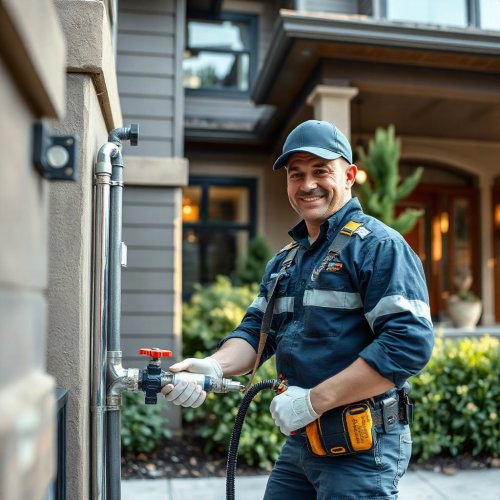
Many modern Fresno homes are built with frost-free sillcocks, which feature a long stem that places the actual shutoff valve deep inside the warm interior wall space. However, if these fixtures are installed with an upward slope that prevents drainage, or if a garden hose is left attached during a freeze, they can still trap water and crack behind the stucco.
How can I tell if a pipe is cracked behind stucco without tearing down the wall?
A drop in household water pressure, a water meter moving when all indoor fixtures are off, damp spots on the interior drywall directly opposite the outdoor faucet, or the sound of running water inside a exterior wall are primary indicators of a hidden pipe failure.
Can a hose bib crack even if it didn't drop below 32 degrees Fahrenheit for very long?
Yes. Rapid, sharp temperature drops during overnight clear nights in the Central Valley can quickly freeze standing water in exposed metal fittings, especially if strong winds accelerate wind chill against shaded north-facing stucco walls.
Are exterior plumbing repairs behind stucco expensive?
Repair costs depend largely on accessibility. If a plumber can access the pipe via an interior access panel, garage utility wall, or crawlspace, the repair is straightforward. If the break is located squarely behind finished exterior stucco, a section of the plaster may need to be carefully cut away to access and repair the supply line.