Fresno Water Heater Low Hot Water Fix
Discover why your Fresno water heater isn't producing enough hot water. Expert troubleshooting, root causes, and repair options from local pros.

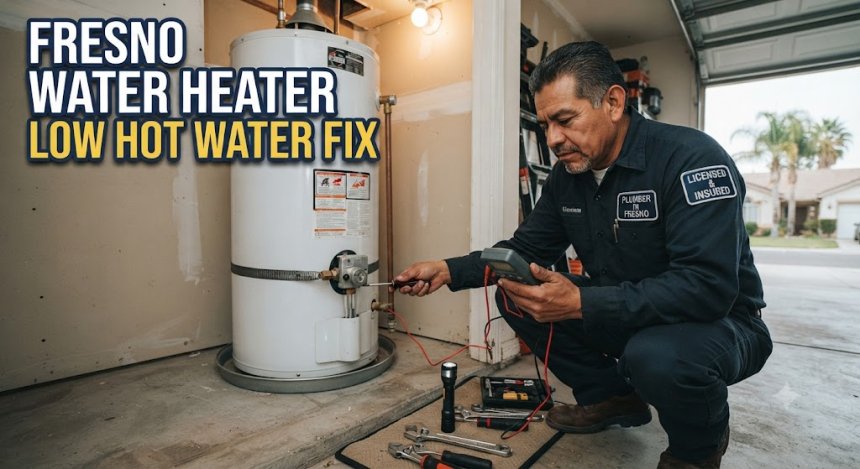
Stepping into a shower expecting a soothing cascade of warmth only to be met with an abrupt jolt of freezing water is an unwelcome wake-up call. Homeowners across the Central Valley frequently panic when they realize their water heater not producing enough hot water fails right when family demand peaks. Ignoring this declining capacity often leads to total unit failure, leaving households completely devoid of hot water for sanitation, laundry, and bathing. For residents living in Fresno, extreme summer heat waves, high mineral content in the municipal supply, and heavy daily usage create a punishing environment for residential water heating equipment. Knowing how to systematically diagnose why your system is underperforming before it completely shuts down is crucial for household comfort.
What Is a Water Heater? Decoding the Mechanism
A residential water heater is a heavy-duty thermal storage or on-demand appliance designed to elevate incoming groundwater temperature to a usable level for domestic applications. In a standard tank system, cold water enters through a dip tube directed toward the bottom of the tank, where gas burners or electric resistance elements heat the fluid. As hot water rises due to thermal convection, it exits through the hot water outlet pipe at the top.
Consider a typical suburban family home in Fresno running multiple appliances simultaneously. When internal components like lower heating elements, dip tubes, or thermostat aquastats fail, the system loses its capacity to replenish hot water efficiently, leaving residents with tepid or short-lived showers.
Root Causes: Why This Problem Occurs in Fresno Homes
Water heating systems in California's San Joaquin Valley face unique regional environmental and structural stresses.
-
Hard Water Mineral Scaling and Calcification: Fresno groundwater carries heavy concentrations of dissolved calcium and magnesium. Over time, these minerals precipitate out of the water, forming a thick layer of sediment at the bottom of the tank that insulates water from the heating source.
-
Extreme Thermal Cycling: The massive temperature delta between cold winter nights and scorching Fresno summer afternoons places continuous expansion and contraction stress on internal tank walls and electrical connections.
-
Dip Tube Deterioration: Aging plastic dip tubes can crack or disintegrate, causing incoming cold water to mix instantly with hot water at the top of the tank rather than sinking to the bottom.
-
Failing Heating Elements or Burners: In electric models, burned-out lower heating elements fail to heat the bulk of the water. In gas units, clogged burner ports or failing thermocouples restrict heat transfer.
-
Undersized Systems for Growing Households: Many older Fresno homes feature legacy 30-gallon tanks that cannot handle the modern hot water demands of larger families running simultaneous modern appliances.
Critical Warning Signs: When Your Water Heater is Sounding the Alarm
Failing water heaters rarely break down without leaving a trail of sensory warning indicators.
-
Auditory Clues: Listen for rumbling, popping, or banging noises from the tank, which indicate boiling water trapped beneath a thick layer of bottom mineral sediment.
-
Olfactory Indicators: A sulfurous or rotten-egg odor indicates a deteriorating anode rod reacting with bacteria inside the tank.
-
Visual Evidence: Discolored or rust-tinted water emerging from hot taps, moisture pooling around the base of the tank, or pilot lights that repeatedly extinguish.
-
Cascading Structural Risks: A neglected tank leak can quickly escalate into major structural flooding, warping flooring and ruining surrounding drywall in utility closets or garages.
Advanced Diagnostics: The Professional Tool Arsenal
When diagnosing complex thermal delivery issues, professional technicians rely on heavy-duty diagnostic gear rather than guesswork.
-
Thermal Imaging Cameras: Scan tank exteriors to detect internal insulation breakdown, sediment buildup lines, and heat loss points instantly.
-
Digital Clamp Meters and Multimeters: Accurately test voltage draw, resistance, and amperage across upper and lower electric heating elements and thermostats.
-
Digital Manometers: Measure gas supply pressure to ensure burners receive the precise cubic feet per hour required for optimal combustion.
-
Combustion Analyzers: Evaluate exhaust gas safety and verify proper draft venting on atmospheric gas water heating systems.
DIY Reality Check: What You Can Safely Fix vs. When to Step Back
Homeowners can perform basic safety checks, but knowing your limits prevents severe personal injury or property damage.
-
Safe Homeowner Actions: Adjusting the thermostat dial to 120°F, resetting an electric water heater high-limit switch, or checking gas control valves.
-
The Danger Zone: Attempting to gas-pipe modifications, rewiring 240V electrical elements without shutting breakers, or opening pressurized tank valves improperly, which risks severe scalding.
-
When to Call a Pro: If your tank is actively leaking from its steel shell, if electrical breakers trip repeatedly upon reset, or if gas odors persist, drop the tools and call a licensed professional immediately.
Professional Diagnostic & Repair Workflow
Licensed, insured plumbers execute a rigorous, standardized diagnostic methodology to restore hot water safely.
-
Step 1: Non-Invasive Triage & Safety Isolation: Shut off electrical power at the breaker panel or turn off the gas control valve before assessing the unit.
-
Step 2: Precision Diagnostic & Component Testing: Check thermostat calibration, test element resistance, inspect anode rod degradation, and evaluate sediment volume.
-
Step 3: Transparent, Upfront Options & Written Estimating: Present clear choices between targeted part replacements (elements, thermostats, dip tubes) or total tank replacement.
-
Step 4: Code-Compliant Remediation & Installation: Flush sediment, replace failed electrical or gas components, and ensure seismic strapping complies with California building codes.
-
Step 5: Thermal Testing, Recovery Verification, & Clean: Power the unit back on, test recovery time, verify hot water temperature at distant fixtures, and clean the work area.
Financial Breakdown: Cost Factors & Investment Realities
Plumbing investments for water heater repairs depend on several key variable inputs.
-
Service Dispatch & Diagnostic Fees: Initial dispatch covers technician travel, safety inspection, and a guaranteed flat-rate quote.
-
Repair Part Complexity: Replacing a standard thermostat or thermocouple costs significantly less than replacing dual heating elements or electronic gas control valves.
-
Tank vs. Tankless Technology: Transitioning from a traditional storage tank to an energy-efficient tankless system involves higher upfront equipment and gas line modification costs.
-
Code Compliance Upgrades: Installing expansion tanks, thermal relief drain lines, and updated seismic straps to satisfy current municipal plumbing codes.
Unique Expert Insights: Hard Truths Homeowners Learn Too Late
-
Ignoring annual tank flushing cuts a standard water heater's operational lifespan in half due to aggressive Central Valley mineral accumulation.
-
Turning water heater thermostats above 140°F to increase hot water capacity drastically accelerates mineral scaling and increases severe scalding risks.
-
Unlicensed handyman installations frequently omit required expansion tanks, violating municipal codes and voiding manufacturer warranties.
-
Proactive anode rod replacement every three to five years prevents premature tank corrosion and catastrophic rust-through leaks.
-
Waiting for total failure usually results in emergency replacement costs and water damage cleanup that far exceed routine maintenance expenses.
Comprehensive Home Plumbing Maintenance Framework
-
Spring Checks: Inspect the temperature and pressure (T&P) relief valve to ensure it operates freely without sticking or leaking.
-
Summer Habits: Monitor water temperature output during peak household demand to catch early signs of lower heating element fatigue.
-
Fall Preparation: Flush accumulated mineral sediment from the bottom of the storage tank using a standard garden hose.
-
Winter Readiness: Check insulation blankets and pipe wrapping on exterior garage water heater installations to maximize thermal efficiency.
-
Year-Round Habits: Inspect the area surrounding the base of the tank monthly for any signs of dampness or mineral weeping.
Emergency Protocol: When Immediate Dispatch is Non-Negotiable
-
Catastrophic Tank Rupture: If the storage tank steel body splits and actively floods your utility space, shut off the main water supply and power immediately.
-
Gas Leaks: If you detect a strong mercaptan (rotten egg) odor around a gas water heater, evacuate the area and call emergency responders or your utility provider.
-
Electrical Sparking or Smoke: If control boxes or wiring harnesses begin smoking or emitting sparks, trip the dedicated breaker instantly.
-
Severe Scalding Output: If water temperatures surge uncontrollably past safe limits due to a stuck thermostat, shut off power and water supply valves.
Frequently Asked Questions (FAQs)
Why does my hot water run out so quickly now?
This is typically caused by heavy mineral sediment buildup insulating the water from the heat source, a broken dip tube mixing cold water with hot, or a failed lower heating element in electric models.
How often should I flush my water heater in Fresno?
Due to Fresno's hard water, you should flush your water heater tank at least once a year to remove mineral sediment and maintain heating efficiency.
Is it better to repair an old water heater or replace it?
If your water heater is more than 8 to 12 years old and experiencing major component failures like a leaking tank shell, replacement is much more cost-effective than ongoing repairs.
What is the ideal temperature setting for a water heater?
The Department of Energy recommends setting your water heater thermostat to 120°F to balance comfortable hot water availability with energy efficiency and scalding prevention.
Why is my water heater making popping or rumbling noises?
Those noises are caused by boiling water trapped underneath hardened layers of mineral sediment at the bottom of the storage tank.
Do tankless water heaters perform better in Fresno?
Yes. Tankless water heaters provide endless hot water on demand and take up less space, though they require periodic descaling to handle Fresno's hard water effectively.
Can a bad anode rod cause low hot water production?
While a degraded anode rod primarily leads to foul odors and tank corrosion, it can also contribute to overall system deterioration and reduced efficiency.
How long does a professional water heater replacement take?
A standard residential water heater replacement performed by a licensed plumber typically takes between two and four hours.