How to Minimize Water Damage When a Pipe Bursts
Learn immediate steps to minimize water damage when a pipe bursts in your home, from shutting off the main water valve to safe mitigation.

When a pipe bursts inside a residential or commercial property, gallons of water can escape every minute, rapidly soaking drywall, flooring, insulation, and personal belongings. Acting quickly and methodically is the single most important factor in limiting structural destruction and preventing long-term issues like mold growth. Whether you are dealing with an aging galvanized line in an older Fresno neighborhood or a sudden failure in a newer subdivision, knowing exactly what to do in the first few minutes can save thousands of dollars in repair costs.
Immediate Emergency Actions to Take First
The moment you suspect or witness a catastrophic pipe failure, every second counts. Your priority is stopping the flow of water and protecting your electrical systems from immediate hazards.
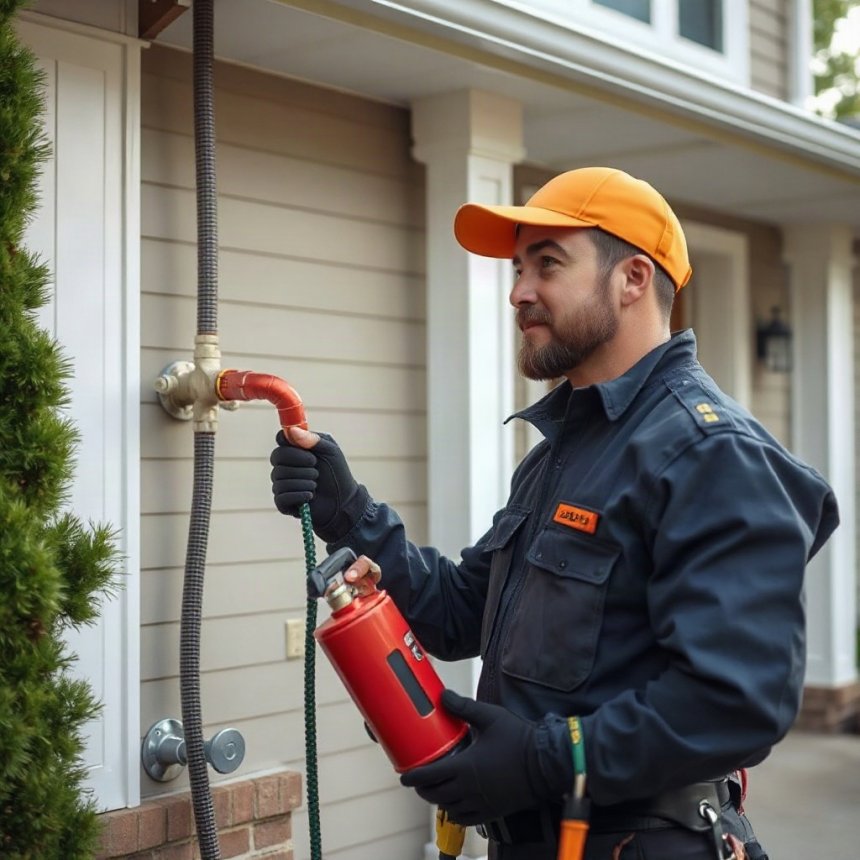
- Locate and Close the Main Water Shutoff Valve: Every property owner and adult resident should know where the main water shutoff is located before an emergency occurs. In many Fresno homes, this valve sits near the front property line inside a concrete utility box near the sidewalk or street, or along an exterior wall where the main water line enters the house. Turn the valve clockwise until it stops to completely isolate the property from the municipal supply.
- Shut Off Electricity in Affected Areas: Water is an exceptional conductor of electricity. If water is pooling near electrical outlets, baseboard heaters, or appliances, turn off the corresponding breakers at your main electrical panel. Never step into standing water if there is any chance it is energized.
- Open Lower-Level Faucets: Once the main supply is shut off, open bathtubs, sinks, and hose bibs at the lowest points of the building. This helps drain remaining water out of the plumbing system, reducing pressure and letting trapped water escape away from the rupture point.
Understanding the Source and Extent of the Failure
Not all pipe bursts happen the same way, and the physical symptoms dictate how you should manage the aftermath. A sudden, massive rupture—such as a completely split copper line or a failed supply tube—produces immediate flooding and high-volume water loss. In contrast, a pinhole leak behind a wall or underneath a concrete slab foundation may go unnoticed for days or weeks, manifesting as warped baseboards, peeling paint, musty odors, or unexplained spikes in your water bill.
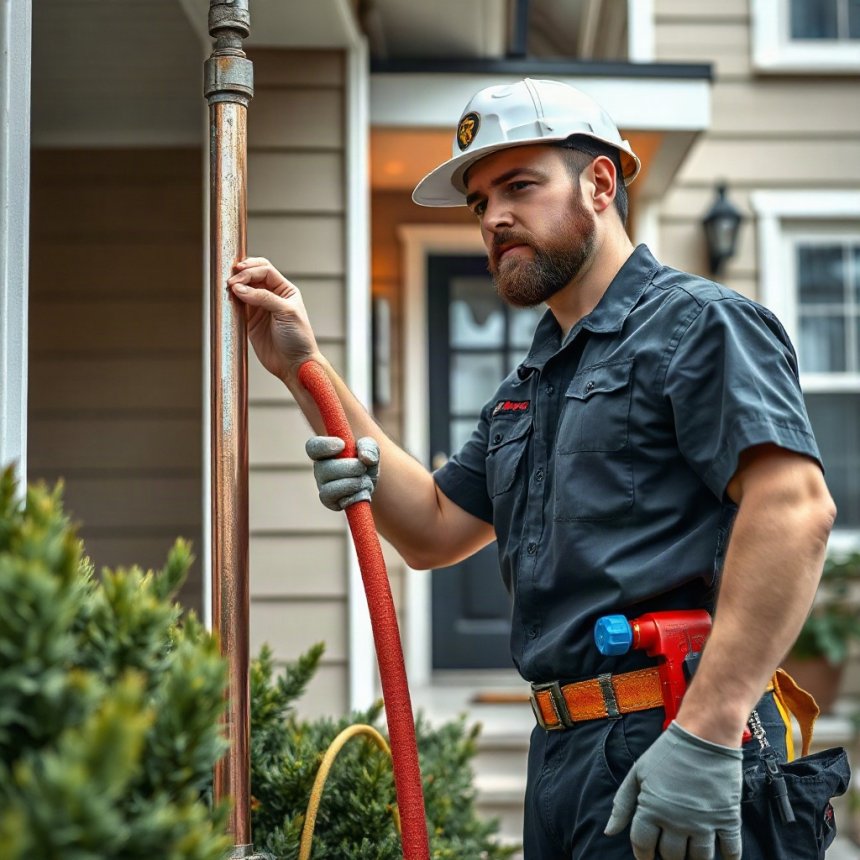
Surface bursts are usually obvious because of the sound of rushing water or visible pooling. Concealed bursts require diagnostic tools like electronic leak detectors or thermal imaging cameras to pinpoint the exact location without tearing open every wall in the house. Establishing whether the leak is on the pressurized supply side or the gravity-fed drainage side determines the urgency and the remediation strategy.
Practical Water Extraction and Drying Steps
Once the water source is safely secured, focus shifts to removing standing water before it saturates structural framing and subflooring.
- Remove Standing Water Quickly: Use wet-dry vacuums, mops, and towels to extract pooling water from hard surfaces and low-pile carpets. The faster you remove free-standing water, the less time drywall and wood have to absorb moisture.
- Promote Airflow and Evaporation: Set up box fans and industrial air movers to direct air across wet flooring and walls. If outdoor humidity levels permit, open windows and doors to cross-ventilate. In tighter spaces or during humid Central Valley weather, running portable dehumidifiers helps draw moisture out of the air and building materials.
- Clear Wet Items and Furniture: Lift upholstered furniture, rugs, and boxes off wet floors. Place aluminum foil or plastic blocks under furniture legs to prevent wood stain from bleeding into damp carpets. Move valuable documents, electronics, and clothing to a dry area immediately.
Overlooked Details That Impact Mitigation Success
Homeowners often focus entirely on the visible water on the surface while missing critical areas where moisture accumulates. Pay attention to these hidden zones to prevent secondary damage:
- Wall Cavities and Insulation: Water travels downward through framing. Even if surface drywall looks intact, fiberglass or cellulose insulation inside the wall cavity holds moisture like a sponge, promoting mold and wood rot. It is often necessary to remove the bottom few inches of drywall to allow wall interiors to dry.
- Subflooring and Base Plates: Carpet padding acts as a reservoir for water. If a burst occurs near carpeted areas, pulling back the carpet and discarding soaked padding is often mandatory. Hardwood floors require professional monitoring with moisture meters to determine if they can be dried in place or if cupping and buckling will necessitate replacement.
- Documenting Damage for Insurance: Take clear photographs and videos of the affected rooms, damaged personal property, and the failed plumbing section before cleanup or disposal begins. Most homeowner or commercial property insurance policies require documentation to process water damage claims smoothly.
Frequently Asked Questions
How can I find my main water shutoff valve if I have never looked for it?
In most residential properties, the main water shutoff is located where the supply line enters the house, often in a garage, utility room, or along an exterior wall facing the street. If you cannot find an indoor valve, look near your property boundary for a subterranean meter box labeled "Water" or "WM" containing a butterfly or gate valve.
Can a pipe burst even if temperatures do not drop below freezing?
Yes. While freezing temperatures are the primary cause of seasonal pipe bursts due to ice expansion, pipes also fail from severe water pressure spikes, aggressive mineral corrosion, material fatigue, and physical trauma during remodeling or foundation shifting.
How long does it take for mold to start growing after a pipe bursts?
Mold spores can begin to germinate and colonize on damp organic materials within 24 to 48 hours under the right temperature and humidity conditions. Rapid drying and proper ventilation within the first day are critical to preventing microbial growth.
Should I turn off my water heater when a pipe bursts?
Yes. If the burst involves your hot water supply or if the main water supply to the home is shut off, turn off the power (for electric water heaters) or switch the gas valve to the "pilot" or "off" position (for gas water heaters). Running a water heater dry can ruin the heating elements or burn out the tank.
Who is responsible for repairing a burst pipe in a rental property or apartment?
Responsibility generally depends on the lease agreement, property ownership structure, and the exact location of the failure. Structural plumbing lines and supply failures inside walls are typically the landlord's or property owner's responsibility, while tenant-owned appliances or fixtures may involve different guidelines. Review your lease terms and notify management immediately.