Fresno Tree Root Sewer Line Damage & Repair Guide
Discover how tree roots damage sewer lines in Fresno. Learn warning signs, diagnostic tools, professional repair options, and prevention tips today.

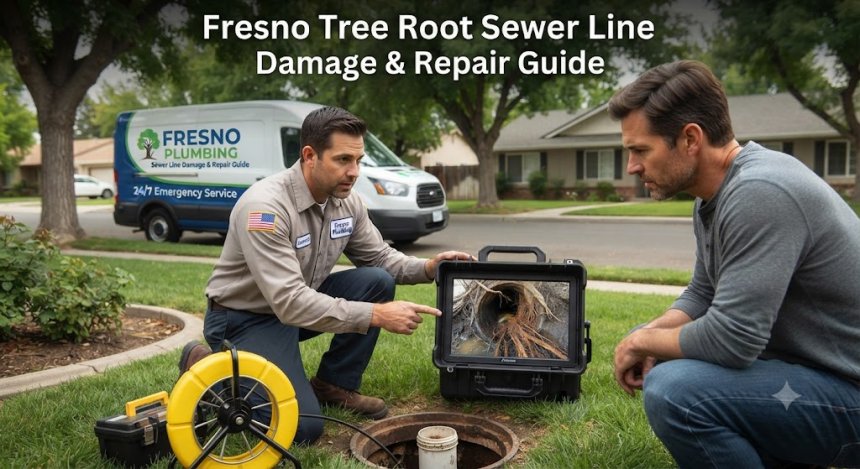
Dealing with a backing-up sink or a toilet that refuses to flush can instantly disrupt your day, but discovering that tree roots sewer line Fresno problems are the culprit introduces a whole new level of frustration. Homeowners throughout Fresno's established neighborhoods—from the historic Tower District to older sections of Fig Garden—frequently run into this underground menace. Because Fresno features mature, beautiful shade trees like Modesto ash, elm, and sycamore planted decades ago, their expansive root systems naturally seek out moisture sources. Sewer lines carrying warm, nutrient-rich water present an irresistible target. When invasive roots infiltrate hairline cracks or joint seals, they multiply rapidly, catching debris, trapping waste, and eventually triggering catastrophic main line blockages. Understanding how this underground war unfolds empowers you to catch warning signs early, minimize property destruction, and protect your plumbing infrastructure before a minor root intrusion escalates into a messy excavation.
Root Causes: Why This Problem Occurs in Fresno Homes
Tree roots do not randomly tear through solid, intact pipes; they exploit existing vulnerabilities driven by local environmental and structural conditions.
-
Aging Infrastructure & Historical Materials: Many older homes in Fresno feature legacy piping materials like orangeburg, clay tile, or aging cast iron. Over decades, these materials become brittle, crack, or experience joint separation, creating easy entry points for thirsty root tips.
-
Aggressive Local Tree Species: Fresno's climate and urban canopy include fast-growing trees with notoriously aggressive root architectures. These roots stretch far beyond the drip line of the canopy, spreading horizontally across yards in search of year-round moisture.
-
Arid Climate & Soil Moisture Dynamics: Fresno’s hot, dry summers and arid surrounding environment force trees to hunt aggressively for water. Underground sewer lines maintain a constant source of humidity and condensation, drawing roots directly toward pipe joints.
-
Ground Shifting & Thermal Expansion: Extreme seasonal temperature swings in the Central Valley cause the native clay-heavy and sandy loam soils to expand and contract. This shifting ground puts immense mechanical stress on underground plumbing, opening micro-cracks that invite root invasion.
-
Structural Material Degradation: Over decades of continuous use, chemical exposure, and soil settling, pipe walls thin out and lose their structural integrity, making them exceptionally susceptible to localized crushing or root penetration.
What Is Tree Root Intrusion? Decoding the Mechanism
Tree root intrusion occurs when microscopic root hairs detect water vapor escaping from minor fissures, joint seals, or structural imperfections in a private sewer lateral. Once a root hair successfully breaches the pipe wall, it enters an environment rich in oxygen, moisture, and organic nutrients. Inside the pipe, the root explodes in growth, forming a dense, hair-like mesh or fibrous mat that looks remarkably like a Brillo pad.
In a healthy system, wastewater flows freely from your home’s interior fixtures—toilets, showers, and washing machines—straight out to the municipal main in the street via gravity. When a root mass takes hold, however, it acts as a physical net. Toilet paper, grease, hair, and solid waste snag on the fibrous roots, rapidly building up a stubborn blockage.
Imagine flushing your upstairs toilet only to hear an ominous gurgling sound echo from the downstairs bathtub floor drain. That hydraulic push is meeting a solid, root-induced dam just a few feet underground in your front yard. Without intervention, wastewater backs up inside the lateral, eventually forcing raw sewage out of the lowest home fixture or pooling in your lawn directly above the breached pipe section.
Critical Warning Signs: When Your Home is Sounding the Alarm
Your plumbing system rarely fails without warning; it usually provides clear sensory clues long before a complete structural collapse occurs.
-
Auditory Clues: Listen for persistent gurgling sounds coming from your toilet bowl or bathtub drain whenever you run the washing machine or flush an upper-level toilet. This indicates trapped air escaping through the water column due to a downstream restriction.
-
Olfactory Indicators: Noticeable smells of sulfur, damp earth, or raw sewage drifting near yard drains, floor drains, or around your property's cleanout ports signal that wastewater is trapped or venting improperly.
-
Visual & Property Indicators: Keep an eye out for slow-draining sinks across multiple rooms simultaneously. Furthermore, pay attention to patches of your lawn that are unusually lush, green, or sunken compared to the surrounding turf, which often point to a leaking sewer lateral fueling plant growth underground.
-
Cascading Structural Risks: Ignoring these warning signs invites severe secondary damage. Backed-up sewage breaching indoor flooring ruins hardwood, destroys drywall, fosters toxic mold colonies within 24 to 48 hours, and compromises your home's framing and structural foundation.
Advanced Diagnostics: The Professional Tool Arsenal
Modern plumbing relies on precision technology rather than guesswork to diagnose underground issues accurately. Licensed professionals utilize specialized diagnostic equipment to pinpoint the exact location, depth, and severity of root intrusion.
-
Push-Rod High-Definition Drain & Sewer Cameras: A flexible fiber-optic camera reel is fed directly through your cleanout. It transmits real-time, high-definition video footage to a monitor, allowing the technician to view root masses, cracks, offsets, and bellies from inside the pipe.
-
Electronic Pipe Locators: When the sewer camera identifies the problem area, the technician uses an above-ground radio receiver that picks up a sonde transmitter embedded in the camera head. This maps the exact surface location and digging depth on your lawn within inches.
-
Hydro-Jetting High-Pressure Cleaning Units: For clearing stubborn root infestations, hydro-jetters deliver pressurized water streams up to 4,000 PSI through specialized rotating nozzles, completely stripping roots and scale from pipe walls without damaging sound pipe material.
-
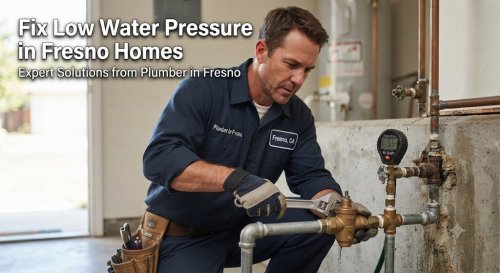
Electronic Manometers & Pressure Testing Units: Used to test overall system integrity and verify that repairs hold standard operating pressure without leaks.
Professional Diagnostic & Repair Workflow
Resolving a severe root intrusion requires a methodical, step-by-step approach to ensure long-term reliability and code compliance.
-
Step 1: Non-Invasive Triage & Safety Isolation: The technician evaluates active backups, locates the outdoor cleanout, and ensures indoor fixtures are isolated to prevent further interior flooding during assessment.
-
Step 2: Precision Diagnostic & Digital Video Inspection: A high-definition camera run identifies the exact footage of the root intrusion, structural damage, or pipe offset.
-
Step 3: Transparent, Upfront Options & Written Estimating: The plumber reviews the footage with you, explaining whether hydro-jetting, spot repair, or a complete trenchless relining/replacement is the most cost-effective solution.
-
Step 4: Code-Compliant Remediation & Part Replacement: Technicians execute the agreed-upon fix—whether cutting out the damaged pipe section and installing Schedule 40 PVC or performing a trenchless epoxy pipe lining.
-
Step 5: Pressure Testing, Flow Verification, & Clean-Up: The system undergoes a final camera pass and flow test to verify that the line is completely clear, structurally sound, and free of debris before the work area is restored.
DIY Reality Check: What You Can Safely Fix vs. When to Step Back
While home improvement projects are satisfying, sewer line maintenance involving structural roots is rarely a safe DIY weekend task.
-
Safe Homeowner Actions: You can safely manage minor hair clogs in individual P-traps using a hand plunger, apply enzymatic root treatments designed for preventative maintenance, keep heavy vegetation away from known cleanout locations, and monitor your water meter for unexplained usage spikes.
-
The Danger Zone: Pouring harsh industrial acid-based root killers down toilets often damages older metal pipes, creates dangerous chemical splash-back hazards, and fails to remove physical root blockages. Renting heavy mechanical motorized augers without experience can result in the steel cable twisting, puncturing fragile old lines, or trapping the machine inside the pipe—turning a minor repair into a major excavation.
-
When to Call a Pro: If multiple fixtures are backing up simultaneously, if raw sewage is pooling in your yard, or if a mechanical snake gets stuck inside your drain line, drop the tools immediately and contact a licensed professional.
Financial Breakdown: Cost Factors & Investment Realities
Plumbing repairs involving sewer lines vary based on several variable site conditions. Understanding these factors helps you budget realistically for unexpected property maintenance.
-
Diagnostic & Dispatch Fees: Standard service call fees cover technician travel time, initial camera scoping, and basic triage.
-
Severity & Depth of Intrusion: Shallow lines or simple localized blockages cleared via hydro-jetting cost significantly less than deep excavations or trenchless replacements beneath concrete driveways.
-
Pipe Material & Accessibility: Repairing easily accessible PVC in a clear yard requires less labor than digging beneath mature landscaping, hardscapes, or municipal sidewalk connections.
-
Repair vs. Total Replacement Economics: While chemical rooters or hydro-jetting provide temporary relief for minor root intrusions, severely damaged or bellied pipes require trenchless pipe bursting or relining to prevent recurring failures.
Unique Expert Insights: Hard Truths Homeowners Learn Too Late
Years of hands-on fieldwork reveal several hard truths that protect homeowners from costly mistakes:
-
Temporary Patch Kits: Over-the-counter chemical foams and temporary patch kits only mask deeper structural failures. They often void home insurance clauses regarding neglect when the pipe eventually collapses completely.
-
Chemical Corrosives: Pouring harsh chemical root killers indiscriminately into aging pipes corrodes pipe walls from the inside out, turning minor root cracks into total structural collapses.
-
Unlicensed Handymen: Hiring unlicensed handymen or cheap contractors often leads to improper grading, missed municipal permits, and hidden code violations that fail disastrously during real estate home inspections.
-
The Value of Prevention: Routine preventive maintenance and annual camera inspections cost a fraction of a single emergency midnight excavation and sewer overhaul.
Comprehensive Home Plumbing Maintenance Framework
Maintaining a healthy sewer system requires consistent, seasonal attention to prevent unexpected root intrusions and blockages.
-
Spring & Summer Checks: Inspect outdoor hose spigots for leaks, test your sump pump functionality, and ensure soil grading around your foundation slopes away from cleanout caps.
-
Fall & Winter Preparation: Protect exposed outdoor pipes with insulated wraps, disconnect garden hoses before freezing temperatures hit, and schedule routine water heater flushes to remove sediment.
-
Year-Around Habits: Always use sink strainers to catch food debris, avoid flushing grease, wipes, or sanitary products down toilets, and schedule annual preventative rooter or hydro-jetting treatments if you have large trees near your sewer lateral.
Emergency Protocol: When Immediate Dispatch is Non-Negotiable
Certain plumbing scenarios demand immediate, 24/7 professional intervention to prevent severe property destruction.
-
Catastrophic Pipe Collapses: Sudden, massive sewage backups flooding living areas, basements, or crawlspaces.
-
Total Loss of Sanitary Facilities: Complete failure of all toilets and drains in the home, rendering the property uninhabitable.
-
Electrical Hazards: Sewage backups overflowing near main electrical panels, water heaters, or furnace units.
Frequently Asked Questions (FAQs)
How do tree roots get inside a sealed sewer pipe?
Tree roots exploit microscopic cracks, tiny joint gaps, or worn-out seals where water vapor escapes. Once inside, the warm, nutrient-dense environment fuels explosive root growth.
Will pouring copper sulfate down my toilet kill invading roots?
Copper sulfate can kill roots exposed to the chemical inside the pipe, but it does not remove the physical mass or fix the structural crack. It also poses risks to local water treatment plants and older pipe materials.
Can hydro-jetting damage my home's sewer line?
When performed by a licensed professional using a camera inspection to assess pipe integrity first, hydro-jetting is entirely safe and cleans lines down to bare walls. However, it can damage severely compromised or collapsing pipes.
How often should I inspect my sewer line if I have large trees?
If your property features mature trees like ash, elm, or oak near your lateral line, scheduling a professional camera inspection every 1 to 2 years is highly recommended.
What is trenchless sewer repair?
Trenchless repair is a modern technique that allows plumbers to replace or line a damaged sewer pipe underground without digging up your entire yard, driveway, or landscaping.
Why do my drains gurgle when the washing machine runs?
Gurgling indicates air is being pushed or pulled through the plumbing trap due to a partial blockage downstream in your main sewer line, often caused by root buildup.
Are sewer line repairs covered by standard homeowner insurance?
Standard policies typically do not cover wear and tear, tree root damage, or pipe aging unless you have added a specific sewer and water line endorsement rider to your policy.
How long does a typical sewer line root-clearing service take?
Standard hydro-jetting or rooter clearing typically takes between 1 to 3 hours, depending on the severity of the blockage and accessibility of the cleanout.