What Causes Plumbing Pipes to Burst in Central Valley Homes?
Discover what causes plumbing pipes to burst in Central Valley homes, from winter temperature drops to material fatigue, hard water, and pressure spikes.

Understanding Plumbing Pipe Failures in the Central Valley
A burst pipe is one of the most destructive plumbing emergencies a homeowner can face, capable of releasing gallons of water in minutes and causing severe structural damage. While the Central Valley of California is well-known for its hot, arid summers, local homes are not immune to conditions that trigger sudden pipe failures. Understanding the underlying mechanisms—ranging from sudden winter overnight freezes to material fatigue and pressure spikes—helps property owners recognize vulnerabilities and take preventative action before a catastrophic rupture occurs.
Primary Triggers for Pipe Bursts
Pipes do not rupture without a physical cause. The failure typically results from excessive internal pressure, external stress, or material degradation that weakens the pipe wall until it can no longer contain the water flow.
Freezing Temperatures and Ice Expansion
Although the Central Valley generally enjoys a mild climate, sub-freezing overnight temperatures do occur during winter months, particularly in open rural areas or during clear, calm nights. When water freezes inside a pipe, it expands by approximately 9%. This expansion generates immense hydraulic pressure between the ice blockage and closed fixtures or valves. Copper, PEX, and galvanized steel pipes can all split along their seams or joints when this trapped ice forces the metal or plastic past its tensile strength limit. Exposed exterior hose bibs, uninsulated attic lines, and pipes running through crawlspaces or exterior garage walls face the highest risk during these cold snaps.
Excessive Water Pressure
Standard residential plumbing systems are designed to operate safely within a specific pressure range, typically between 40 and 80 pounds per square inch (psi). When municipal water supply pressure runs high, or when a thermal expansion event occurs inside a closed system featuring a water heater and a malfunctioning thermal expansion tank, sustained high pressure wears down pipe walls, joints, and fittings. Over time, constant high stress leads to pinhole leaks or sudden catastrophic seam blowouts.
Material Corrosion and Age
The chemical composition of water plays a significant role in long-term pipe integrity. While Central Valley water supplies vary by municipality and well source, mineral content and chemical treatments can interact with older metal plumbing. Older homes featuring galvanized steel pipes are especially vulnerable; internal mineral buildup gradually narrows the interior diameter while rust eats away at the pipe walls from the inside out. Similarly, older copper lines exposed to aggressive water chemistry or external soil conditions can develop localized thinning, eventually yielding to internal water pressure.
Shifting Soils and Foundation Movement
Many homes throughout Fresno and surrounding areas are built on concrete slab foundations. When expansive clay soils beneath and around the foundation experience cycles of severe drying during long summers and saturation during winter rains, the soil shifts. This movement can place physical stress on under-slab or subterranean water supply lines. If a rigid pipe rubs against abrasive sub-base materials or concrete without adequate protective sleeving, friction wear creates a localized weak spot that eventually bursts.
Symptoms and Early Warning Signs
A complete pipe burst is unmistakable, but minor distress signals often precede a major break. Recognizing these warnings can prevent extensive water damage:
- Sudden drops in water pressure: A localized restriction or an active underground leak can cause fixtures to sputter or run noticeably weaker.
- Unexplained dampness or pooling water: Soft spots in drywall, warped baseboards, or unexplained moisture on floors and concrete slabs often indicate a slow leak that is compromising a pipe wall.
- Banging or hammering noises: Loud thuds when turning off a faucet (water hammer) indicate shockwaves traveling through the system, which loosen joints and weaken pipe supports over time.
- Discolored water: Rust flakes or sediment appearing in tap water can signal internal pipe corrosion and structural thinning.
Practical Prevention and Maintenance Steps
Homeowners can significantly reduce the risk of sudden pipe failures by implementing targeted maintenance measures:
- Insulate vulnerable lines: Wrap exposed exterior pipes, attic runs, and garage plumbing with foam insulation sleeves before winter temperatures drop. Disconnect and drain garden hoses, and shut off interior valves to exterior hose bibs if your layout permits.
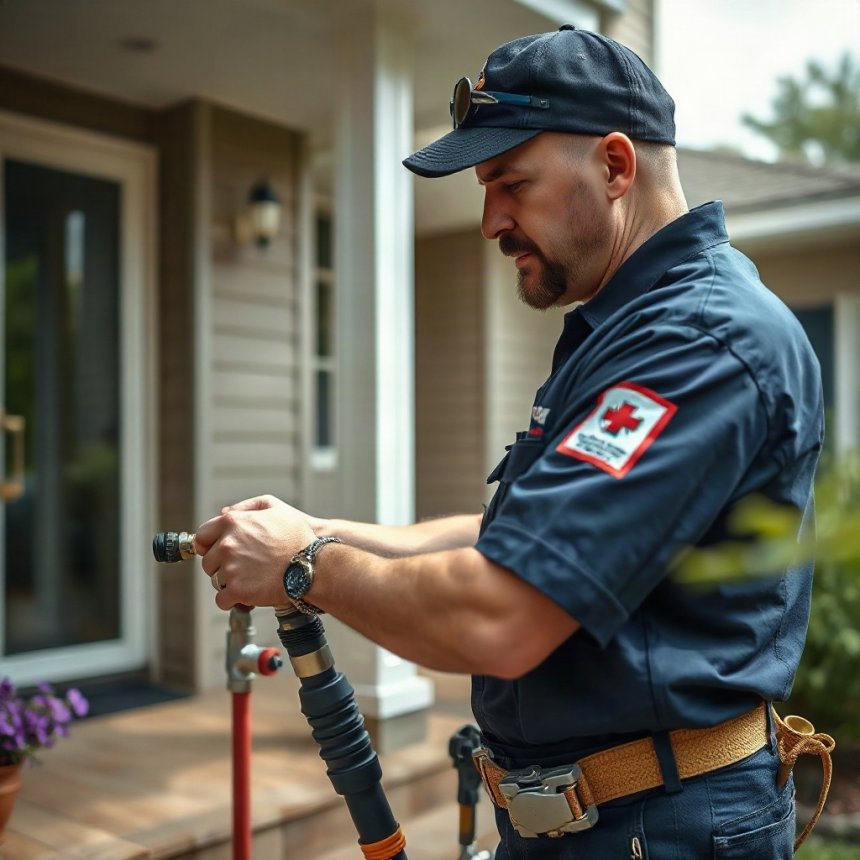
- Monitor water pressure: Install a temporary pressure gauge on an outdoor hose bib to check your home's baseline water pressure. If readings consistently exceed 80 psi, a failing pressure-reducing valve (PRV) may need professional replacement.
- Inspect and test shutoff valves: Locate your main water shutoff valve and ensure it turns smoothly. In the event of a sudden pipe burst, shutting off the water quickly minimizes total property damage.
- Manage thermal expansion: Ensure your water heater is equipped with a functioning and properly sized expansion tank to absorb pressure fluctuations caused by water heating cycles.
Frequently Asked Questions
Can PEX piping burst if it freezes?
Yes. While PEX (cross-linked polyethylene) is more flexible than rigid copper or galvanized steel and can expand slightly more before failing, it is not indestructible. Severe or prolonged freezing can still cause PEX pipes or their plastic and brass fittings to split.
How do I know if a pipe has burst inside my concrete slab?
Common indicators of an under-slab pipe burst include hot spots on the floor, the sound of running water when all fixtures are turned off, unexplained increases in your water bill, and damp flooring or buckling vinyl and wood planks.
Does hard water directly cause pipes to burst?
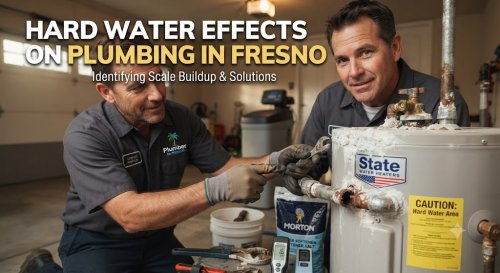
Hard water contains dissolved minerals like calcium and magnesium. Over many years, these minerals can precipitate and form scale inside pipes, restricting flow and sometimes accelerating localized corrosion, which indirectly contributes to wall thinning and eventual failure.
What should I do immediately if a pipe bursts?
Locate the main water shutoff valve for the property and turn it completely off to stop the flow of water. Turn off electricity to affected areas if water is near electrical outlets or panels, open low-level faucets to drain remaining water from the system, and call a qualified plumbing professional.
Are landlords or tenants responsible for burst pipes in rental properties?
Responsibility generally depends on the lease agreement, local housing regulations, and the cause of the failure. Normal wear and tear, material aging, and structural defects are typically the property owner's responsibility, while damage caused by tenant negligence may be handled differently.