How to Stop Emergency Water Flow in Your Fresno Home
Learn safe, practical DIY steps to shut off water during a plumbing emergency in your Fresno home, protect your property, and limit damage.


Acting Fast When Water Threatens Your Home
When a supply line bursts, a water heater fails, or a fixture connection snaps, water can flood a room in minutes. Knowing how to stop emergency water flow quickly is the single most effective way a homeowner can limit structural damage, ruined flooring, and mold growth before professional help arrives. In many Fresno residential properties—ranging from mid-century ranch-style homes in Fig Garden to newer construction in Woodward Park—accessing and operating the correct shutoff valve quickly can mean the difference between a minor cleanup and a major property restoration project.
Locating Your Main Water Shutoff Valve
The fastest way to stop water flow to the entire house is to close the main water supply valve. If you have never looked for yours, finding it during an active emergency can be stressful, which is why locating it beforehand is vital.
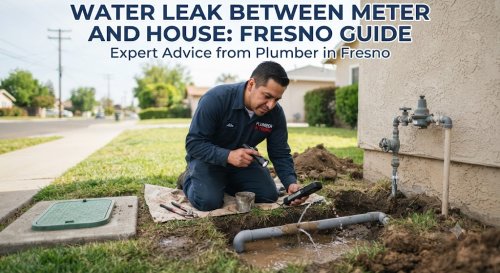
- Exterior Meter Box: In many Fresno homes, the main municipal water meter and the primary shutoff valve are located near the front property line, typically near the sidewalk inside a concrete or plastic box marked "Water." Operating these utility meters often requires a special meter key, though some properties have an additional homeowner valve nearby.
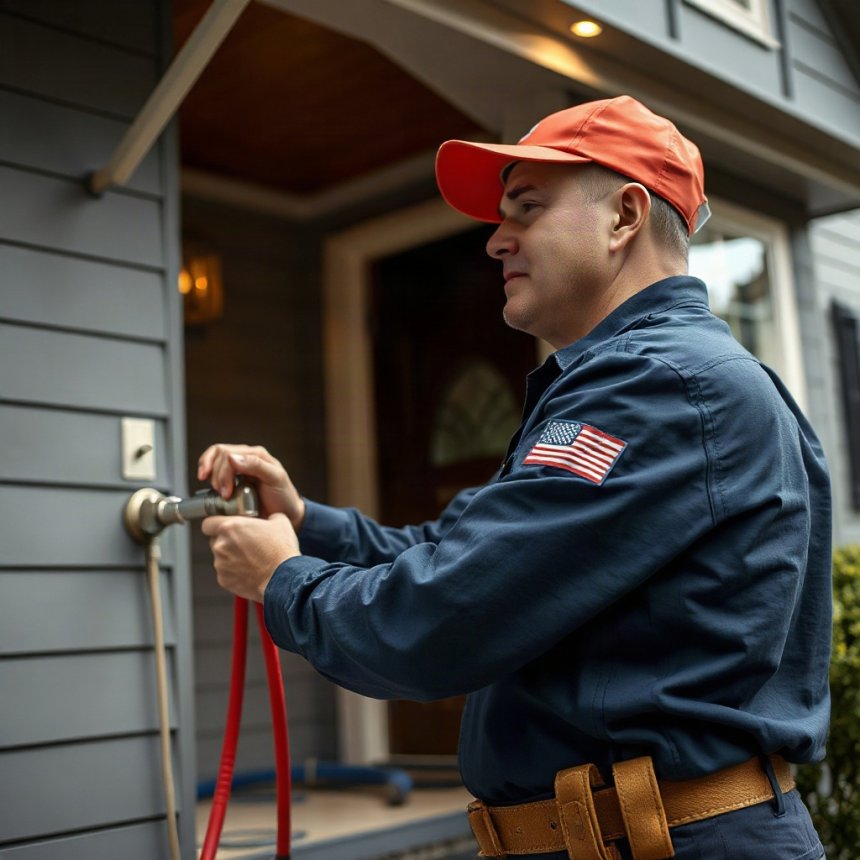
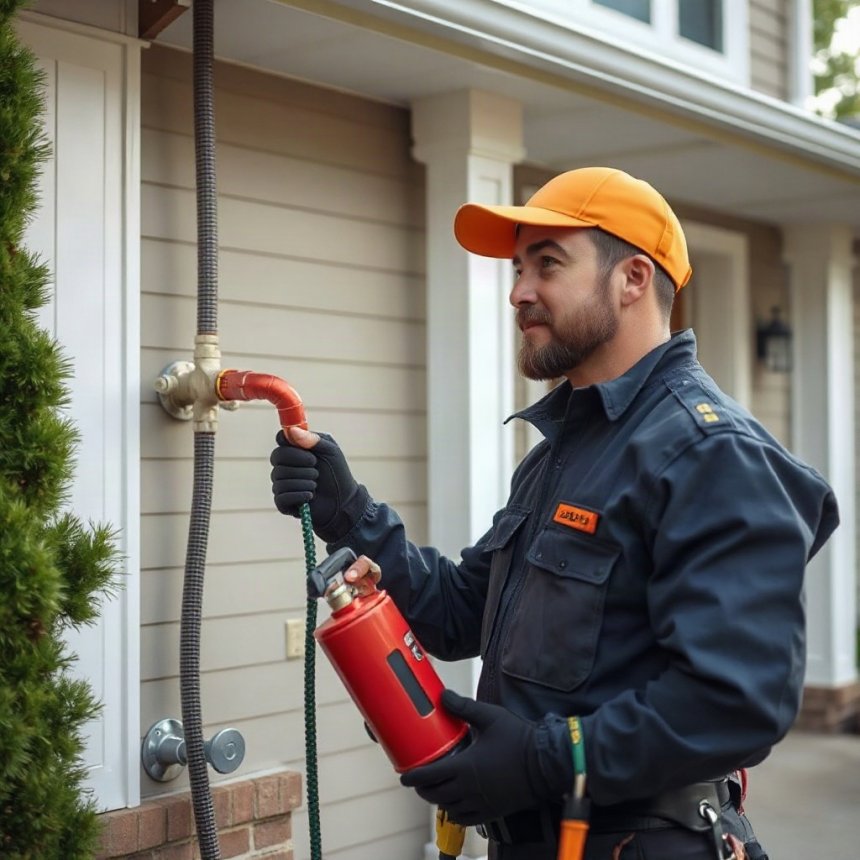
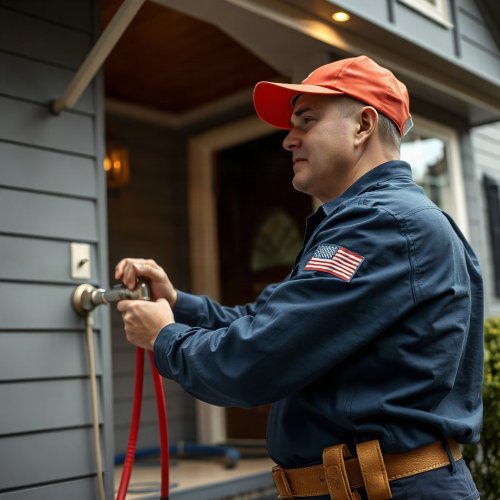
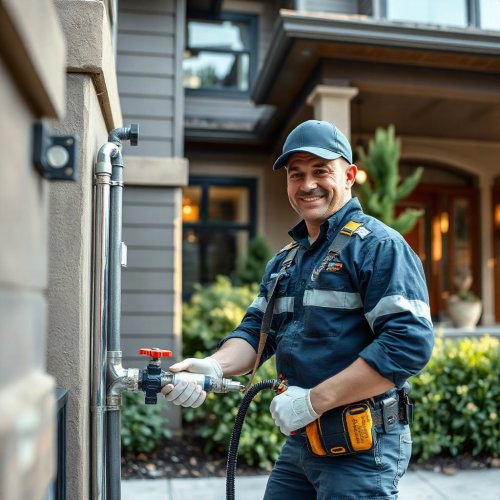
- Exterior Foundation Wall: Look along the perimeter of the house, often near an outdoor hose bib or where the main water line enters the structure through the foundation or crawlspace wall. This is frequently a gate valve or a quarter-turn ball valve.
- Interior Utility Areas: In some properties, the main shutoff is found inside the garage, near the water heater installation, or in a utility closet where the service line enters the living space.
Using Fixture-Specific and Appliance Shutoffs
You do not always have to shut off the water to the entire house. If the emergency is isolated to a specific fixture or appliance, closing the local shutoff valve stops the flow immediately while leaving the rest of the home's plumbing functional.
- Toilets: Look for the small oval or round handle on the supply line coming out of the wall directly beneath the tank. Turn it clockwise until it stops.
- Sinks and Vanities: Check under the cabinet for both hot (left) and cold (right) mini shutoff valves. Turn both clockwise.
- Washing Machines: Locate the hot and cold threaded valves behind the machine and turn the levers perpendicular to the pipe to close them.
- Water Heaters: A dedicated cold water shutoff valve sits directly on the pipe feeding into the top of the tank. Turning this valve off stops water from entering the tank and feeding a leak.
Understanding Valve Types and Operation
Water shutoff valves generally fall into two categories, and knowing how they operate dictates how you should handle them during an emergency:
- Quarter-Turn Ball Valves: These feature a flat lever handle. When the handle is parallel to the pipe, the water is on. Turning it a quarter-turn so it sits perpendicular to the pipe completely shuts off the flow. These are reliable and quick to operate.
- Multi-Turn Gate Valves: These feature a round wheel handle. You must turn the wheel clockwise multiple times to lower the internal gate and block the water. Older gate valves in homes across the Central Valley can become stiff, corroded, or prone to leaking around the packing nut if forced too aggressively.
Safety Precautions During a Water Emergency
Water and electricity create immediate hazards. Before attempting to address a major indoor leak or flood:
- Assess Electrical Risks: If water is pooling near electrical outlets, power strips, appliances, or a breaker panel, do not wade into standing water. Turn off power at the main electrical breaker panel if it is safe and dry to reach.
- Avoid Damaged Gas Lines: If the water leak is caused by a collapsed ceiling or shifting structure that might impact gas appliances, monitor for gas odors and evacuate if necessary.
- Protect Yourself: Wear sturdy shoes if walking on wet flooring where broken glass, drywall, or debris may be hidden.
What to Do After the Water Is Off
Once the water flow has been successfully stopped, take the following steps to stabilize the situation:
- Relieve Pressure: Open the faucets lowest and highest in the home to drain remaining water out of the lines and relieve internal pipe pressure.
- Contain and Absorb: Use towels, buckets, and a wet-dry vacuum to remove standing water before it seeps into baseboards, drywall, or subflooring.
- Document the Issue: Take clear photos and videos of the source of the leak and any damaged property for insurance documentation purposes.
- Arrange Professional Repair: Temporary shutoff stops the damage, but the underlying mechanical failure—whether a cracked fitting, a failed supply hose, or a ruptured pipe—will require permanent repair or replacement by a qualified plumbing professional.
Frequently Asked Questions
What should I do if the main water shutoff valve is stuck or leaking?
Older gate valves can seize up due to mineral deposits or lack of use. Do not apply excessive force with heavy wrenches, as snapping the valve stem will turn a minor leak into a major geyser. If the valve fails to turn or leaks from the handle packing when manipulated, you will need to rely on local fixture shutoffs if possible and contact a professional to replace the main valve.
How can I find my water shutoff valve if it is buried under dirt or landscaping?
Over time, soil, mulch, or overgrown grass can conceal utility boxes and exterior foundation valves. Carefully clear away soil using a small trowel or brush around suspected areas near the front property line or exterior walls. Marking the location with a small stake once found will save valuable time in future emergencies.
Can I use my water meter box lid to shut off water during an emergency?
Yes, the valve on the street side of the water meter controls the entire property. However, municipal regulations in many areas discourage homeowners from tampering with utility provider equipment unless it is a severe emergency and the household shutoff cannot be found or operated. Always use a proper meter key to avoid damaging the municipal fitting.
Why is water still trickling from my faucets after I closed the main shutoff?
When you shut off the main water supply, the water trapped inside the elevated piping network does not disappear instantly. Gravity causes the remaining water to drain out through the lowest open fixtures in the home. This residual drainage typically stops within a minute or two.
Who is responsible for repairing a main shutoff valve that breaks on a rental property?
For rental homes, apartments, and commercial spaces in Fresno, structural plumbing components such as main water shutoff valves and supply lines generally fall under the landlord or property management's responsibility. Tenants should immediately notify management or the designated emergency contact while shutting off local fixture valves if safe to do so.