Vacation Home Plumbing Audit Cost in Fresno: What to Expect
Learn what factors influence the cost of a seasonal plumbing audit for a vacation home or rental property in Fresno, California.


Understanding Vacation Home Plumbing Auditing Costs in Fresno
When you own a vacation home, secondary residence, or seasonal rental property in the Fresno area, leaving the plumbing unattended for months at a time introduces significant risk. A seasonal plumbing audit—sometimes called a second-home plumbing checkup—involves a professional assessment of your water supply lines, drainage systems, water heater, and fixtures to catch vulnerabilities before they turn into major water damage. While flat-rate pricing does not exist universally across the Central Valley because every property layout is different, understanding the cost factors, scope of work, and value behind these inspections helps property owners make informed maintenance decisions.
What a Comprehensive Seasonal Plumbing Audit Covers
The total cost of a plumbing audit is directly tied to the depth and scope of the inspection. A thorough seasonal review goes far beyond a quick glance at the kitchen sink. Professional evaluations typically encompass:
- Water Heater Health: Checking for sediment buildup, tank corrosion, temperature-pressure relief (TPR) valve function, and proper venting.
- Shutoff Valve Integrity: Inspecting and exercising main water shutoffs, supply stops under sinks, and toilet isolation valves to ensure they actually turn off in an emergency.
- Drain and Vent Checks: Assessing traps, looking for slow drainage, and verifying that roof vent stacks are clear of debris or bird nests.
- Pressure Testing: Attaching a gauge to measure static water pressure, checking whether a pressure-reducing valve (PRV) is failing or needs adjustment.
- Vulnerability Assessments: Identifying uninsulated pipes in garages or crawlspaces that could face stress during sudden winter temperature drops common to the San Joaquin Valley.
Key Factors That Influence Inspection Pricing
Because properties vary widely—ranging from older historic homes in Old Fig Garden to newer construction in Woodward Park or outlying residential areas—plumbers evaluate several variables when quoting a seasonal audit:
- Property Size and Layout: A single-story, two-bathroom house takes considerably less time to audit than a sprawling multi-level property with guest casitas, multiple water heaters, or complex manifold systems.
- Accessibility of Fixtures: If water shutoff valves are seized, access panels are sealed, or crawlspaces and attics are difficult to enter, the labor time required to complete a thorough audit increases.
- Integration with Smart Systems: Many Fresno vacation homeowners request the inspection of automated water shutoff valves, leak detection sensors, or smart monitoring devices. Testing and configuring these systems adds specialized diagnostic steps to the visit.
- Scope of Preventive Services: Some property owners request minor immediate maintenance during the audit, such as flushing the water heater tank, clearing a sluggish drain trap, or replacing old supply lines. Combining these tasks affects the total bill compared to a purely observational assessment.
Distinguishing Basic Checks from Advanced Diagnostic Testing
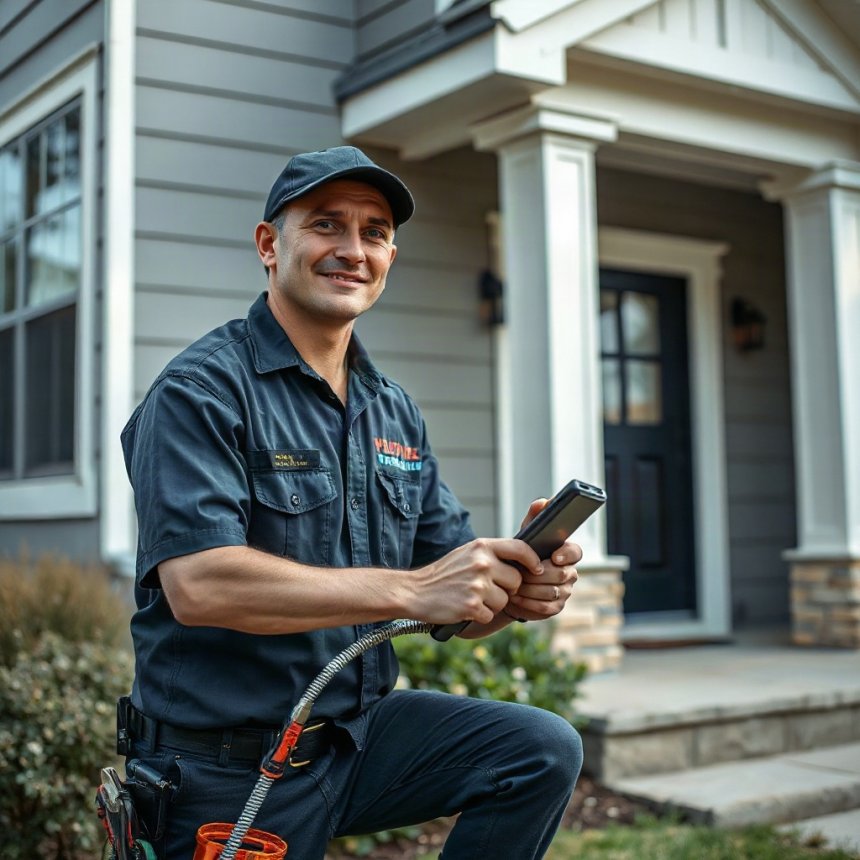
A standard visual walkthrough has a lower labor cost because it relies on what can be readily seen and operated. However, a basic visual inspection cannot detect hidden problems like sub-slab leaks, deteriorating sewer laterals, or internal pipe corrosion. When an audit requires advanced diagnostics—such as a main sewer line camera inspection to check for tree root intrusion or electronic leak detection—the investment is higher, but it provides a definitive assessment of subterranean or concealed plumbing health that a surface check misses.
Protecting Your Second Home Against Fresno's Climate Extremes
Fresno experiences intense dry summer heat and mild to cool winters. While hard freezes are relatively infrequent compared to mountain regions, overnight winter temperatures can occasionally dip low enough to threaten exposed hose bibs, backflow preventers, or irrigation lines left unmanaged. A seasonal audit scheduled ahead of your departure or arrival ensures that winterization or de-winterization steps are performed correctly, preventing costly emergency repairs upon your return.
Frequently Asked Questions
How long does a seasonal plumbing audit take for a typical Fresno home?
A standard visual and operational plumbing audit for an average-sized residential property usually takes between one to two hours. Larger properties, homes with multiple water heaters, or inspections incorporating sewer camera work can take half a day or longer.
Is a plumbing audit the same thing as a home inspection when buying a property?
No. While a standard home inspection covers a broad overview of a property's major systems, a dedicated plumbing audit is performed by a licensed plumbing professional. It dives much deeper into water pressure dynamics, valve operational reliability, pipe material conditions, and drainage flow.
Why should I pay for an audit if nothing is currently leaking?
An audit is preventative maintenance. Vacation homes often sit vacant for weeks or months, during which minor seal degradations, small drips, or failing toilet flappers can escalate into catastrophic flooding and structural mold before anyone notices. An audit catches these early wear points.
Should I shut off my main water supply when leaving my Fresno vacation home?
In many cases, turning off the main water supply and draining the lines is a recommended precaution for vacant properties. However, your plumbing audit professional can advise you on whether shutting down the system is safe for your specific property, especially if certain fixtures or fire sprinkler systems must remain operational.
How often should a seasonal plumbing audit be scheduled?
For properties that sit vacant for extended periods, scheduling an audit twice a year—once before the cooling season and once before the winter months—or at least annually prior to prolonged periods of vacancy is standard best practice for risk reduction.