Fresno Plumbing Audit: 10-Point DIY Seasonal Checklist
Protect your Fresno home with a practical 10-point seasonal plumbing audit. Learn how to inspect fixtures, water heaters, and outdoor lines safely.

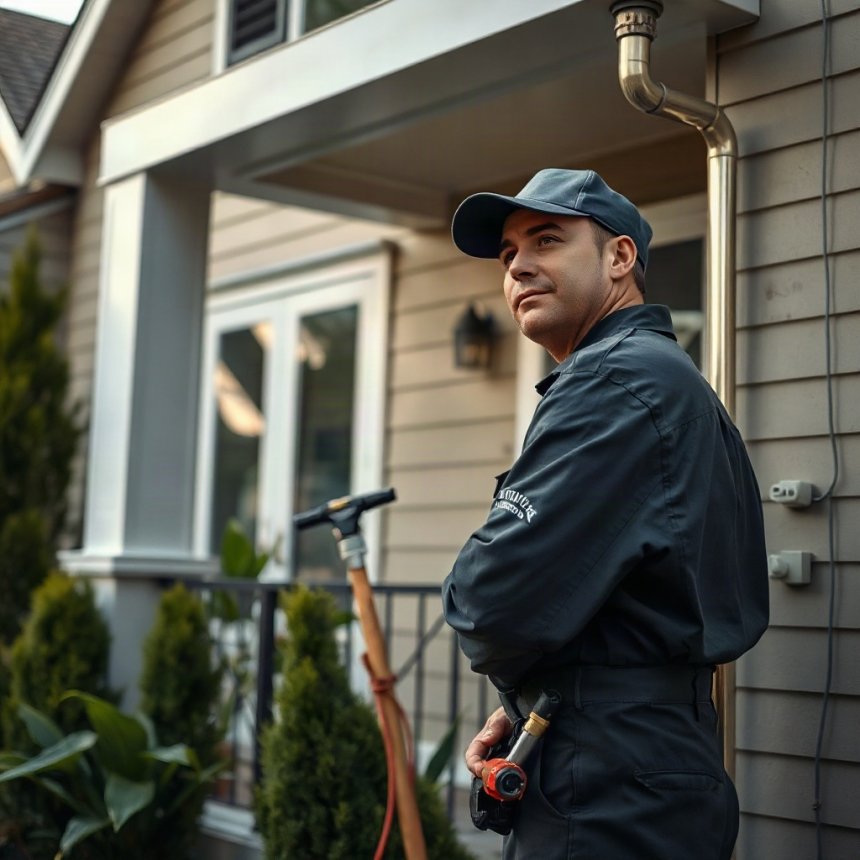
Protecting Your Fresno Property with a Seasonal Plumbing Audit
Plumbing systems work continuously behind walls and under floors, often hiding developing failures until they turn into costly emergencies. Performing a systematic plumbing audit twice a year helps Fresno property owners catch minor issues—such as hard water buildup, minor valve leaks, or failing pressure regulators—before they cause severe property damage. Whether you manage a historic home in Old Fig Garden, a ranch-style house in Bullard, or a rental property near Woodward Park, a structured walk-through allows you to assess the health of your entire plumbing network.
1. Test All Emergency Water Shut-Off Valves
When a supply line bursts or a fixture fails, stopping the water quickly prevents extensive flooring and drywall damage. Locate your main water shut-off valve, typically found near the front perimeter of the house, in the garage, or near an exterior hose bib. Turn the valve slowly to ensure it operates smoothly and shuts off completely. Next, check individual shut-off valves beneath sinks and behind toilets. Older gate valves often stick or leak around the stem when turned. If a valve fails to seal completely during testing, plan to have it replaced before an actual emergency occurs.
2. Inspect Fixtures for Mineral Scale and Flow Restrictions
Fresno municipal and well water supplies carry mineral content that leaves hard-water scale deposits on plumbing fixtures over time. Unscrew the aerators on your kitchen and bathroom faucets and inspect them for white, crusty calcium buildup. Soak restricted aerators in a mild descaling solution to restore proper water pressure and flow patterns. Check showerheads for uneven spray streams or blocked nozzle holes, which indicate that mineral deposits are restricting internal passages.
3. Evaluate Water Pressure at an Exterior Hose Bib
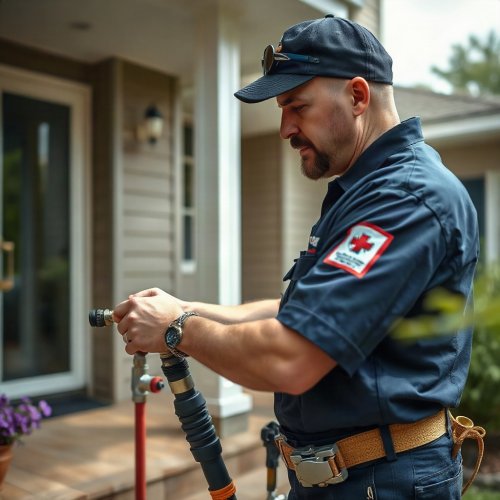
Excessive water pressure places continuous strain on supply lines, washing machine hoses, and fixture cartridges, greatly increasing the risk of sudden leaks. Attach a simple screw-on pressure gauge to an exterior hose bib and open the valve fully with all indoor water sources turned off. Normal residential water pressure generally ranges between 40 and 80 pounds per square inch (psi). If your gauge reads above 80 psi, your property likely needs a functioning pressure-reducing valve (PRV) adjusted or replaced to protect your piping network.
4. Examine Under-Sink Areas and Supply Hoses
Cabinet spaces under kitchen and bathroom sinks are prime locations for slow leaks that go unnoticed until rot or mold sets in. Use a flashlight to inspect the supply lines, shut-off valves, and drain traps. Check flexible braided stainless steel or older vinyl supply lines for fraying, bulging, or moisture beads along the crimped metal fittings. Flexible braided supply lines have a finite service life and should be replaced proactively if they show signs of outer corrosion or rubber degradation.
5. Check Toilet Tanks and Flush Mechanisms
A silent toilet leak can waste hundreds of gallons of water a day and significantly drive up utility bills. Remove the tank lid and listen closely for the sound of running water when the toilet has not been flushed recently. Drop a few tablets of dark food coloring into the tank and wait ten to fifteen minutes without flushing. If color bleeds into the bowl, your flapper valve is worn and failing to seal against the flush valve seat. Inspect the fill valve, chain slack, and tank bolts for rust or mineral encrustation.
6. Assess Water Heater Operation and Sediment Buildup
Water heaters work harder during winter months when incoming groundwater temperatures drop across the Central Valley. Inspect the area around the base of the tank for signs of moisture, pooling water, or rust streaks, which indicate tank wall failure. Check the temperature and pressure (T&P) relief valve discharge pipe to ensure it runs safely outdoors or to an approved floor drain without leaking. Listen for rumbling or popping noises inside tank-type water heaters, which signal heavy mineral sediment accumulation on the bottom of the tank reducing heating efficiency.
7. Inspect Accessible Drain Lines and Cleanouts
Slow-draining sinks, tubs, and showers indicate developing blockages in branch drain lines or traps. Check accessible cleanout plugs in exterior walls, garages, or crawlspaces for signs of seepage or damp soil nearby. Ensure that cleanout caps are intact and removable. If multiple fixtures drain slowly at the same time, the issue usually points further down the line toward the main sewer cleanout rather than a single localized trap obstruction.
8. Check Outdoor Hose Bibs and Irrigation Connections
Exterior plumbing faces extreme temperature swings between scorching summer heat and crisp winter mornings. Inspect exterior hose bibs for drips or handle leaks. If your property utilizes anti-siphon vacuum breakers on hose connections, verify that they are not leaking from the relief ports when the faucet is active. In properties with dedicated landscape irrigation backflow preventers, ensure insulation or protective covers are intact if freezing temperatures threaten exposed copper or brass assemblies during winter.
9. Look for Hidden Slab Leak Indicators
Many Fresno homes are built on concrete slab foundations where supply lines run directly through or beneath the concrete. While you cannot see underground pipes, you can monitor for telltale symptoms of sub-slab water leaks. Routinely check interior flooring for unexpected warm spots, damp patches beneath carpeting, peeling baseboards, or the sound of running water when all fixtures are closed. Monitoring your water meter dial when no water is actively being used in the home remains one of the most reliable ways to detect hidden supply leaks.
10. Review Laundry Hookups and Washing Machine Hoses
Washing machine supply hoses endure high pressure and mechanical vibration during every wash cycle. Inspect the rubber or braided hoses connected to the laundry box behind your washing machine. Look for cracks, blisters, or wet connections at both the wall valves and the machine inlet ports. If your laundry area is located on an upper floor or inside interior living space, verify that the drain standpipe and floor drain are clear to prevent major flooding if a hose ruptures.
Frequently Asked Questions
How often should a residential plumbing audit be performed?
Conducting a comprehensive audit twice a year—ideally during the spring and fall transitions—is ideal for catching seasonal wear. Checking items like hose bibs before winter and testing water heaters before heavy use helps prevent unexpected failures.
What is the most common cause of premature plumbing failure in Fresno?
Mineral-heavy hard water is a primary contributor to scale buildup inside water heaters, aerators, and fixture cartridges. Over time, this mineral accumulation restricts flow and increases internal mechanical friction.
Can a homeowner safely adjust home water pressure without a plumber?
If your home is equipped with an adjustable pressure-reducing valve (PRV) featuring a lock nut and adjustment bolt, pressure can technically be adjusted. However, verifying the adjustment with a hose bib pressure gauge is essential to ensure the new setting remains within a safe 50 to 75 psi operating range.
How can I tell if my main water shut-off valve needs replacement?
If the valve handle turns freely without affecting water flow, spins past its stop point, or leaks water around the packing nut when manipulated, the internal mechanism is worn out and requires replacement by a qualified professional.
Are braided stainless steel supply lines safer than rubber hoses?
Yes. Braided stainless steel lines feature an inner polymer core protected by a woven metal sheath that resists bursting, kinking, and splitting far better than plain rubber or reinforced vinyl tubing.