Baking Soda vs. Chemical Drain Cleaner: Which Is Best?
Compare baking soda and chemical drain cleaners. Learn which is safer and more effective for your Fresno home pipes from local plumbing experts.
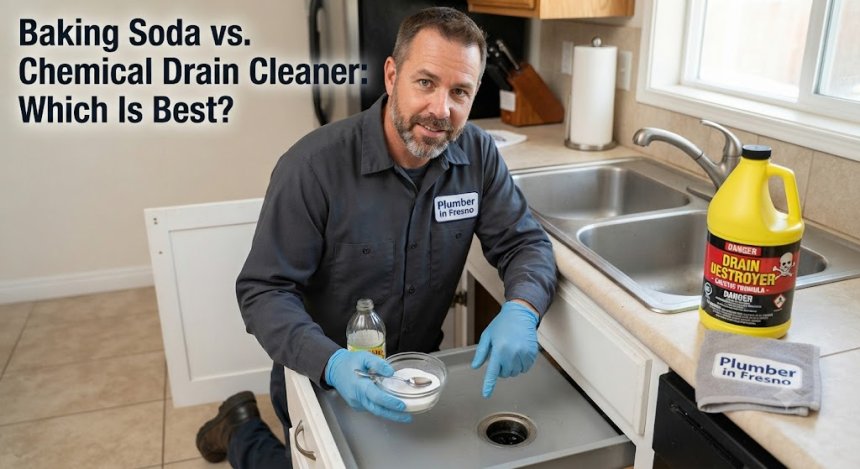
Standing over a slow-draining kitchen sink with a bottle of harsh liquid chemical in one hand and a box of household baking soda in the other leaves many property owners wondering which method actually clears clogs without ruining their plumbing. Evaluating baking soda vs. chemical drain cleaner: which is better? is essential for maintaining healthy pipes, protecting your indoor air quality, and avoiding costly infrastructure damage. Homeowners across Fresno frequently confront stubborn hair, grease, and soap scum blockages driven by everyday use and local hard water characteristics. Choosing the right clearing method early prevents pipe degradation, protects family safety, and keeps your drainage system flowing smoothly.
What Is Drain Clearing? Decoding the Mechanism
A residential drainage network relies on gravity to move wastewater smoothly from sinks, showers, and toilets through vertical and horizontal pipes into the municipal sewer main. Under normal operations, water and organic waste slide effortlessly down smooth interior pipe walls.
When organic matter, grease, and hair accumulate, they form a dense blockage that restricts flow. Chemical drain cleaners typically use harsh oxidizing or caustic formulas (like sodium hydroxide or sulfuric acid) to generate a violent chemical reaction that melts organic mass. In contrast, baking soda combined with vinegar creates a mild effervescent carbon dioxide reaction that loosens surface grease and organic debris safely without thermal or chemical trauma to the pipe walls.
Root Causes: Why Clogs Form in Fresno Homes
-
Kitchen Grease & Cooking Oils: High volumes of organic cooking fats solidify inside residential kitchen lines, trapping food particles and hair over time.
-
Hard Water Mineral Scaling: Fresno's mineral-rich water mixes with soap residue inside bathroom drains, creating a sticky soap-scum matrix that catches hair and debris.
-
Aging Home Piping Materials: Legacy galvanized steel or older cast iron lines in historic Fresno properties feature rough, pitted interiors where clogs anchor much faster than modern smooth PVC or ABS lines.
-
Tree Root Infiltration: Subsurface sewer and drain lines can experience tiny micro-cracks from shifting soil, allowing aggressive tree roots to penetrate and trap debris.
-
Improper Disposal Habits: Flushing non-flushable wipes, coffee grounds, and fibrous food scraps creates deep blockages that simple surface cleaners cannot dissolve.
Critical Warning Signs: When Your Home is Sounding the Alarm
-
Auditory Clues: Distinct gurgling or bubbling sounds coming from a toilet or shower drain when another fixture nearby is draining.
-
Olfactory Indicators: Foul, stagnant sewer gas odors escaping from dry drain traps or slow-moving utility sinks.
-
Hydraulic Backups: Water pooling in the shower basin or backing up into the kitchen sink basin during appliance discharge cycles.
Ignoring these warning signs allows minor clogs to transform into full-scale sanitary line blockages, risking messy sewage overflows inside living areas.
Professional Diagnostic & Repair Workflow
A licensed, insured plumbing professional approaches stubborn drainage blockages through a methodical, non-destructive sequence:
-
Step 1: Non-Invasive Triage & Fixture Isolation: Assessing which specific fixtures are affected and checking main cleanout access points.
-
Step 2: Precision Diagnostic & Digital Video Inspection: Feeding a high-definition push-rod camera down the line to visually identify whether the obstruction is a simple clog, grease buildup, or structural pipe damage.
-
Step 3: Transparent, Upfront Options & Written Estimating: Presenting clear, safe remediation alternatives—such as professional mechanical snaking or hydro-jetting—before work begins.
-
Step 4: Code-Compliant Clearing & Restoration: Mechanically breaking up the blockage and thoroughly scouring the interior pipe walls.
-
Step 5: Flow Verification & Site Cleanup: Running high-volume water tests to ensure optimal drainage velocity and sanitizing the workspace.
Advanced Diagnostics: The Professional Tool Arsenal
-
High-Definition Sewer Cameras: Miniature waterproof cameras that provide real-time color video of interior pipe conditions, locating exact blockages and structural breaks.
-
Hydro-Jetting High-Pressure Units: Heavy-duty machines that blast water at up to 4,000 PSI to scour grease, scale, and tree roots completely from pipe walls.
-
Motorized Drain Augers (Snakes): Professional-grade steel cable machines equipped with specialized cutting heads to slice through stubborn root intrusions and dense hair clogs.
-
Acoustic Line Locators: Electronic radio transmitters used above ground to pinpoint the exact underground location of a damaged or clogged pipe.
DIY Reality Check: What You Can Safely Fix vs. When to Step Back
-
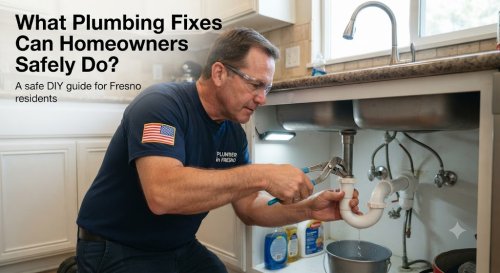
Safe homeowner actions: Pouring a natural mixture of baking soda and hot water down minor slow drains, using a standard plunger on sink basins, and clearing visible hair from removable shower strainers.
-
The danger zone: Pouring industrial-strength liquid chemical drain cleaners into a completely clogged sink, risking a dangerous chemical backsplash that can cause severe skin and eye burns.
-
When to call a pro: If multiple drains back up simultaneously, if plunging fails repeatedly, or if you smell raw sewage inside your home.
Financial Breakdown: Cost Factors & Investment Realities
Professional drain cleaning and repair services utilize transparent, flat-rate pricing based on the severity and depth of the blockage. Key variable cost inputs include:
-
Service Dispatch & Diagnostic Fees: Covering technician travel and video camera inspection deployment.
-
Accessibility & Cleanout Access: Clearing a line with an accessible outdoor cleanout is faster and less labor-intensive than dismantling vintage bathroom fixtures.
-
Equipment Deployment: Utilizing high-pressure hydro-jetting for heavy commercial grease or root buildup versus standard mechanical snaking.
-
Repair vs. Total Line Replacement: Factoring in the cost of repairing structurally collapsed or broken underground lines.
Unique Expert Insights: Hard Truths Homeowners Learn Too Late
-
Chemical drain cleaners generate extreme exothermic heat that can melt PVC pipes, warp older metal traps, and permanently fuse toilet wax rings.
-
Pouring store-bought acid cleaners down a slow drain rarely clears root intrusions or heavy scale; it simply eats a small hole through the center of the clog, causing it to return within days.
-
Unlicensed handymen using incorrect auger sizes can puncture thin metal or aged plastic pipe walls, resulting in hidden leaks behind finished walls.
-
Establishing a routine preventive maintenance schedule costs a fraction of an emergency midnight mainline extraction.
Comprehensive Home Plumbing Maintenance Framework
-
Spring/Summer Checks: Test all sink and shower drains for slow flow rates; inspect outdoor area drain grates for accumulated leaves and yard debris.
-
Fall/Winter Preparation: Remind family members never to pour holiday cooking grease down kitchen drains; check basement floor drain traps for adequate water seals.
-
Year-Round Habits: Use mesh drain strainers in all showers and sinks; avoid chemical drain openers completely; flush monthly with natural baking soda and warm water maintenance rinses.
Emergency Protocol: When Immediate Dispatch is Non-Negotiable
While minor slow drains can wait for standard appointment windows, certain plumbing events demand an immediate 24/7 emergency response:
-
Raw sewage begins backing up out of multiple floor drains or toilets into living spaces.
-
A main sewer line blockage causes complete household wastewater failure.
-
Wastewater overflows threaten electrical outlets or valuable structural flooring.
Frequently Asked Questions (FAQs)
Is baking soda and vinegar actually effective on clogged drains?
Yes, for minor organic clogs, grease film, and routine odor control, the mild effervescent reaction of baking soda and vinegar safely loosens surface debris without harming pipes.
Why do plumbers hate chemical drain cleaners?
Chemical cleaners are highly corrosive. They can burn skin on contact, ruin plumbing fixtures, eat away at pipe joints, and pose extreme safety hazards if a plumber has to manually service a backed-up pipe later.
Can chemical drain cleaners damage my home's pipes?
Absolutely. Repeated use of caustic chemical cleaners generates excessive heat and chemical corrosion, weakening metal pipe walls and dissolving PVC adhesive joints over time.
How do I clear a slow drain without using harsh chemicals?
You can use a mechanical hand auger (drain snake), a standard cup plunger, or pour half a cup of baking soda followed by warm water down the drain to clear minor buildup safely.
When should I call a professional plumber for a clogged drain?
Call a licensed professional if multiple fixtures clog at the same time, if a clog returns immediately after plunging, or if raw sewage begins backing up into your home.
Are enzymatic drain cleaners safe for my plumbing system?
Yes. Bio-enzymatic cleaners use natural bacteria and enzymes to digest organic matter, grease, and hair slowly without generating heat or corroding pipe walls.
How much does professional drain cleaning cost?
Professional clearing costs vary depending on whether the blockage is a simple localized sink trap or a deep main sewer line requiring hydro-jetting or video inspection.
What causes recurrent clogs in the same drain?
Recurrent clogs usually indicate a deeper structural issue, such as pipe sagging (belly), heavy scale buildup, foreign objects trapped in the line, or tree root infiltration.