Why Water Heater Makes Popping Sounds
Water heater popping or rumbling? Learn why mineral sediment causes tank noise, how to prevent tank bursts, and when to call a Fresno plumber.

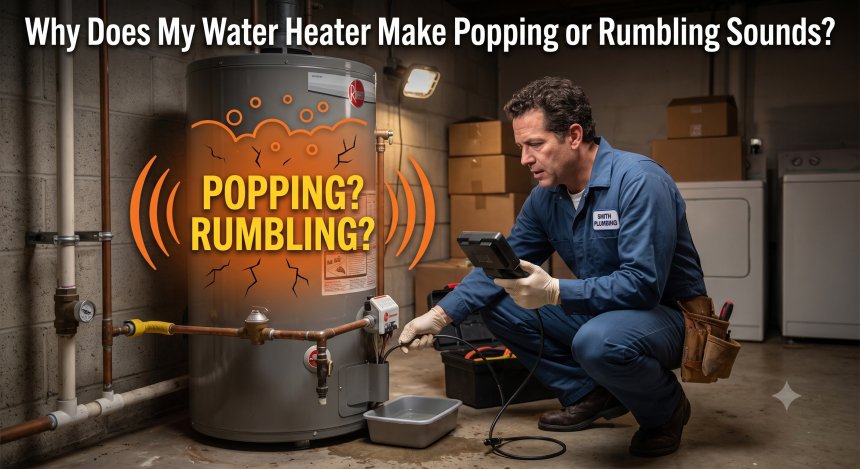
Why Does My Water Heater Make Popping or Rumbling Sounds?
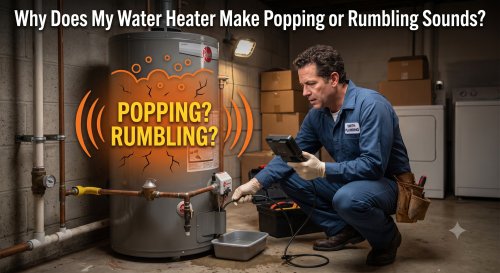
Few household noises cause quite as much immediate anxiety as a water heater that sounds like a pot of boiling popcorn or an idling diesel engine. If you are standing in your garage or utility closet asking yourself, "Why Does My Water Heater Make Popping or Rumbling Sounds?", you are not alone. This is one of the most frequent service calls we receive from homeowners and commercial property managers throughout Fresno and the Central Valley.
A noisy water heater is rarely just an acoustic annoyance; it is a physical cry for help from an appliance operating under severe thermal strain. Fresno's mineral-dense tap water, combined with daily heating cycles, creates an environment where sediment builds up rapidly inside water heating tanks. Left unchecked, that distinct popping and rumbling can lead to compromised heating elements, tank corrosion, skyrocketing energy bills, and eventual tank rupture.
What Is Causing the Popping or Rumbling in Your Water Heater?
When a water heater pops, crackles, or rumbles, you are listening to the mechanical effects of trapped steam escaping through mineral sediment.
[ Cold Municipal Water Inflow ]
              │
              ▼
   (Dense Calcium & Magnesium)
              │
              ▼ (Settles via Gravity)
┌─────────────────────────────────────────┐
│     Water Layer (Heated to 120°F+)      │
├─────────────────────────────────────────┤
│   Compact Sediment Bed (Scale Blanket)  │ ◄── Traps Water Pockets
├─────────────────────────────────────────┤
│     Bottom Tank Metal / Burner Base     │ ◄── Overheats (250°F+)
└─────────────────────────────────────────┘
              │
              ▼ (Steam Bubbles Burst)
     [ POPPING / RUMBLING NOISE ]
The Physics Behind the Sound
-
Sediment Settlement: Municipal water carries dissolved calcium, magnesium, and carbonate minerals. As water heats, these minerals precipitate out of the liquid solution and settle to the base of the tank.
-
The Thermal Barrier: Over months and years, this sediment compacts into a dense, chalky layer resembling crushed limestone or concrete over the bottom burner (in gas units) or lower electric heating elements.
-
Steam Pocket Formation: Water filters underneath this thick mineral crust. Because the burner must heat through the sediment blanket to warm the water above, the bottom of the tank gets far hotter than normal. The water trapped beneath the scale rapidly superheats into high-pressure steam bubbles.
-
The "Popping" Reaction: As these steam bubbles expand violently and burst through the hard crust into the cooler water layer above, they create the distinct popping, knocking, and deep rumbling sounds you hear.
Why This Plumbing Problem Happens in Fresno Homes
While sediment accumulation happens in water heaters everywhere, homes across Fresno County face specific environmental factors that accelerate the process.
-
High Water Hardness: Fresno relies on a combination of Sierra snowmelt and deep groundwater wells. Groundwater in the Central Valley contains high concentrations of dissolved minerals. Without whole-home water conditioning, this scale accumulates twice as fast as it does in soft-water regions.
-
Extreme Seasonal Temperature Fluctuations: Valley summers push demand for cold water, while chilly winter mornings force heaters to run extended cycles from cold baseline temperatures, accelerating mineral precipitation.
-
Aging Plumbing Infrastructure: In historic Fresno neighborhoods like the Tower District and Sunnyside, older galvanized distribution pipes contribute flecks of rust and iron oxide directly into the water heater's intake stream.
-
Corroded Sacrificial Anode Rods: Every tank relies on an internal magnesium or aluminum anode rod to attract corrosive elements away from the steel tank walls. Once this rod completely degrades (typically in 2 to 4 years in hard water), mineral scale bonds directly to exposed steel welds.
-
Excessive Temperature Settings: Homeowners who set their thermostats above 125°F significantly increase the rate of calcification, as mineral precipitation accelerates exponentially at higher water temperatures.
Signs You Should Never Ignore
A rumbling tank rarely happens in isolation. As mineral sediment thickens, your entire hot water system begins to display clear warning signs.
+------------------------------------+------------------------------------+--------------------------------------------+
| Warning Sign                       | Primary Root Cause                 | Consequence of Ignoring                   |
+------------------------------------+------------------------------------+--------------------------------------------+
| Deep rumbling or kettle popping    | Heavy sediment blanket at tank base| Overheating bottom, metal fatigue, rupture |
| Lukewarm or fast-depleting water   | Scale insulating heating elements  | Higher gas/electric bills, cold showers    |
| Rusty or discolored hot water      | Internal tank corrosion / rust     | Structural tank wall failure, leaks        |
| Metallic taste or rotten egg smell | Bacterial reaction with anode rod  | Unsanitary domestic supply, pipe decay     |
| Moisture around tank footing       | Micro-fissures at bottom weld seam | Catastrophic 50-gallon flood in home       |
| Dripping T&P relief valve          | Excessive internal thermal pressure| System over-pressurization hazard          |
+------------------------------------+------------------------------------+--------------------------------------------+
Related Plumbing System Failures
When a water heater operates with heavy sediment buildup, the stress radiates throughout your home’s plumbing network:
-
Lower Water Pressure at Hot Fixtures: Sediment flakes migrate into the hot-water outlet line, clogging aerators, cartridge valves, and thermostatic shower mixers.
-
Premature Heating Element Burnout: In electric models, scale encases the lower heating element, preventing surrounding water from cooling it, which causes the element to melt or burn out.
-
Slab and Wall Leaks: Constant thermal cycling and pressure spikes weaken copper and PEX distribution joints connected directly to the heater manifold.
-
Premature Appliance Degradation: Washing machines and dishwashers receiving mineral-laden water suffer from premature solenoid valve failures and pump clogs.
Step-by-Step Emergency Actions for Homeowners
If your water heater begins making loud metallic banging sounds, vibrating violently, or leaking from the base, follow these immediate safety containment steps:
[ Step 1: Shut Off Fuel/Power ] ──► [ Step 2: Shut Cold Water Inflow ]
                                                  │
                                                  ▼
[ Step 5: Call Plumber ]        ◄── [ Step 4: Open Hot Faucets ] ◄── [ Step 3: Clear Area ]
-
Cut the Energy Supply:
-
Gas Units: Rotate the gas control valve on the front of the tank to the OFF or PILOT position.
-
Electric Units: Locate your home’s main breaker box and switch the dedicated 240-volt double-pole breaker for the water heater to OFF.
-
-
Turn Off Cold Water Intake: Turn the cold water supply valve (located on the top-right inlet pipe) clockwise until tightly shut. If it is a lever-style ball valve, turn it perpendicular (90 degrees) to the pipe.
-
Clear the Perimeter: Remove any personal belongings, cardboard boxes, or storage containers sitting within 5 feet of the appliance base.
-
Relieve Internal System Pressure: Open the hot-water side of a laundry sink or bathtub faucet on the lowest level of the home to relieve thermal expansion pressure.
-
Call for Professional Service: Contact plumber in fresno at 844-833-2093 to diagnose the sediment severity and check tank structural safety.
Step-by-Step Professional Repair Process
Restoring a rumbling water heater requires more than simply draining a bucket of water. Licensed technicians perform a methodical process to safely eliminate sediment and verify tank integrity:
┌────────────────────────────────────────────────────────┐
│  1. Diagnostic Temperature, Pressure & Tank Inspection │
└──────────────────────────┬─────────────────────────────┘
                           ▼
┌────────────────────────────────────────────────────────┐
│  2. Anode Rod & Dip Tube Integrity Evaluation          │
└──────────────────────────┬─────────────────────────────┘
                           ▼
┌────────────────────────────────────────────────────────┐
│  3. Clear, Upfront Written Estimate & Repair Plan      │
└──────────────────────────┬─────────────────────────────┘
                           ▼
┌────────────────────────────────────────────────────────┐
│  4. High-Volume Hydro-Flush or Chemical Descaling      │
└──────────────────────────┬─────────────────────────────┘
                           ▼
┌────────────────────────────────────────────────────────┐
│  5. Element / Anode Replacement & Valve Testing        │
└──────────────────────────┬─────────────────────────────┘
                           ▼
┌────────────────────────────────────────────────────────┐
│  6. Static Re-Pressurization & Burner Calibration      │
└──────────────────────────┬─────────────────────────────┘
                           ▼
┌────────────────────────────────────────────────────────┐
│  7. Long-Term Hard Water Mitigation Strategy           │
└──────────────────────────┘
-
Step 1: Inspection: The plumber assesses the exterior jacket, burner assembly, temperature-and-pressure (T&P) relief valve, and water lines for signs of thermal stress, scorching, or leaks.
-
Step 2: Diagnosis: The technician inspects the sacrificial anode rod for depletion and checks the dip tube to ensure cold incoming water is being routed correctly to the bottom of the tank.
-
Step 3: Estimate: You receive a clear, upfront estimate covering the required flush, chemical descaling, component replacements, or unit replacement if structural metal fatigue has occurred.
-
Step 4: Repair & Flush: The technician connects a high-flow commercial drain hose, breaks up calcified scale using specialized flushing tools, and washes out the mineral deposits. For heavy scale, food-grade descaling solutions dissolve hardened crust.
-
Step 5: Component Servicing: Worn components—such as degraded anode rods, factory plastic drain valves, and coated electric elements—are replaced with commercial-grade brass and heavy-duty parts.
-
Step 6: Testing: The tank is refilled, bled of air, re-pressurized, and fired to test burner efficiency, thermostat calibration, and quiet heating operation.
-
Step 7: Maintenance Advice: The technician provides recommendations tailored to your local water hardness, including flush intervals and filtration options.
Can You Fix It Yourself?
Understanding what is safe to handle yourself versus when you need a licensed plumber is essential for personal safety and property protection.
Safe DIY Measures
-
Performing an annual maintenance drain on a water heater that is less than 3 years old and has no history of loud banging.
-
Checking the temperature dial to confirm it is set no higher than 120°F (49°C).
-
Visually inspecting the area around the base for puddles or moisture.
When DIY Becomes Dangerous
-
Attempting to Drain an Old, Severely Rumbling Tank: Hardened mineral chunks frequently clog standard garden hoses and plastic factory drain valves. If the valve fails to close afterward, you could be left with a continuous flow of scalding water and no way to shut it.
-
Testing Corroded T&P Valves: Manually tripping a corroded Temperature and Pressure relief valve can unseat mineral scale, causing the spring to fail and preventing the safety valve from resealing.
-
Disassembling Gas Lines or Burner Assemblies: Working on gas supply lines, thermocouples, and burners without certification creates serious fire and carbon monoxide hazards.
-
Ignoring Electrical Safety: Working around 240-volt electric elements in damp utility closets poses severe electrocution risks.
Tools Professionals Use
Professional plumbing technicians use purpose-built diagnostic and cleaning equipment to restore water heating systems:
-
Acoustic & Thermal Diagnostic Equipment: High-resolution infrared cameras detect localized hot spots on the tank jacket, identifying where the internal glass lining may have detached from the steel shell.
-
Commercial Agitation Flush Wands: Curved, high-pressure flushing wands enter through the drain port or lower element opening to mechanically break apart compacted mineral plates.
-
Circulating Descaling Pumps: Self-contained pump systems circulate non-toxic, food-grade acid solutions through tankless heat exchangers and traditional tanks to dissolve stubborn calcium carbonate.
-
Calibrated Water Pressure & Hardness Gauges: Precision digital gauges measure static inlet pressure and total dissolved solids (TDS) in parts per million (PPM).
Repair Timelines and Cost Factors
Estimated Service Timelines
+------------------------------------------+---------------------------+
| Service Type                             | Typical Time Required     |
+------------------------------------------+---------------------------+
| Standard Diagnostic & Tank Flush         | 1 – 2 Hours               |
| Anode Rod & Heating Element Replacement  | 2 – 3 Hours               |
| Full Chemical Descale (Tankless/Tank)    | 2 – 4 Hours               |
| Complete Water Heater Replacement        | 3 – 5 Hours               |
+------------------------------------------+---------------------------+
Cost Factors to Keep in Mind
Plumbing repair costs vary depending on the severity of the problem, accessibility, materials required, emergency service, property type, and local labor rates.
-
Extent of Calcification: Loose, sandy sediment flushes out quickly, while hardened, calcified scale requiring chemical treatment or mechanical extraction involves more labor and materials.
-
Part Replacements: Upgrading from a stripped factory plastic drain valve to a full-port brass ball valve, or replacing dual titanium heating elements, contributes to overall parts costs.
-
Accessibility: Units located in tight crawlspaces, attics, or elevated platforms require additional time and precautions to drain and service safely.
-
Permitting & Code Upgrades: If the tank is damaged and requires replacement, local Fresno safety codes mandate updated thermal expansion tanks, seismic strapping, and code-compliant venting.
Practical Truths Homeowners Should Know
-
A Rumbling Tank Is an Inefficient Tank: Even 1/4 inch of sediment scale acts as an insulating barrier, forcing your water heater to use up to 25–30% more energy to heat the same volume of water.
-
Neglected Tanks Fail from the Bottom Out: The intense, trapped heat beneath sediment layers repeatedly expands and contracts the lower tank head, cracking the protective internal porcelain-glass lining and causing rust to eat through the steel wall.
-
Insurance Companies Review Maintenance Logs: If a rusted water heater ruptures and floods your home, insurance adjusters may inspect the unit for chronic lack of maintenance and deny claims based on preventable wear and tear.
-
Hard Water Drastically Shortens Lifespans: While a standard water heater is built to last 8 to 12 years, untreated Fresno hard water can cause unmaintained tanks to fail in as little as 5 to 6 years.
15 Common Mistakes Homeowners Make
-
Ignoring Early Popping Sounds: Treating minor popping as harmless allows scale to calcify into solid rock.
-
Setting the Thermostat Above 130°F: Higher temperatures accelerate mineral precipitation and increase the risk of accidental scalding.
-
Never Replacing the Sacrificial Anode Rod: Letting the anode rod deplete leaves the bare steel tank completely unprotected against rust.
-
Using Harsh Chemical Solvents: Pouring corrosive cleaning chemicals into a potable domestic water tank contaminates drinking water and damages tank linings.
-
Leaving Factory Plastic Drain Valves in Place: Inexpensive plastic drain valves easily strip, crack, and seize under sediment friction.
-
Operating Electric Heaters While Empty: Powering on an electric water heater before the tank is completely full of water instantly burns out the upper and lower elements (known as "dry firing").
-
Neglecting the Expansion Tank: A failed thermal expansion tank causes daily pressure spikes that fatigue the water heater's welded seams.
-
Blocking Air Intakes on Gas Units: Storing items directly against the heater restricts combustion air, creating soot and carbon monoxide risks.
-
Failing to Insulate Hot Water Pipes: Uninsulated lines lose heat quickly, prompting homeowners to crank up tank temperatures unnecessarily.
-
Hiring Unlicensed Handymen for Gas Repairs: Non-code-compliant gas connections and improper venting expose your home to fire and toxic fume hazards.
-
Skipping Annual Maintenance Flushes: Waiting several years to perform a first flush often results in clogged valves and incomplete drainage.
-
Ignoring Small Weep Holes on the T&P Valve: A dripping pressure relief valve indicates dangerous internal pressure or temperature issues that require immediate attention.
-
Placing Heavy Items on Plumbing Lines: Using water heater pipes to hang tools or support overhead loads weakens pipe joints.
-
Over-Tightening Dielectric Unions: Overtightening fittings during maintenance can crack internal rubber insulators, triggering rapid galvanic corrosion.
-
Waiting for the Tank to Flood Before Calling a Plumber: Delaying service turns a routine maintenance visit into an expensive emergency restoration project.
Preventative Maintenance Checklist
+-------------------+----------------------------------------------------------------------------------------+
| Frequency         | Maintenance Action Item                                                                |
+-------------------+----------------------------------------------------------------------------------------+
| Monthly           | Visually inspect the tank base and fittings for moisture, rust flakes, or scorch marks.|
| Quarterly         | Check the temperature setting on the thermostat to ensure it remains at 120°F.         |
| Semi-Annually     | Inspect the T&P discharge pipe to confirm there is no active weeping or dripping.     |
| Annually          | Perform a full tank drain and flush to remove sediment; inspect anode rod wear.        |
| Every 2–3 Years   | Have a licensed plumber replace the sacrificial anode rod and check thermal expansion. |
+-------------------+----------------------------------------------------------------------------------------+
When to Call an Emergency Plumber
Some water heater symptoms demand immediate professional intervention to protect your household:
-
Active water leaking from the bottom base or lower welded seams of the tank.
-
Strong odors of natural gas or burning electrical components near the utility closet.
-
Continuous discharge of scalding water and steam from the T&P relief pipe.
-
The tank vibrating, shaking, or producing loud metallic banging noises during active heating cycles.
-
Total loss of hot water accompanied by discolored, rust-filled water at household fixtures.
Frequently Asked Questions
Why is my water heater making a sound like boiling water?
When sediment settles at the bottom of the tank, water becomes trapped underneath the mineral layer. The burner superheats this trapped water into steam bubbles, which boil and pop violently through the scale crust.
Can a noisy water heater explode?
Modern water heaters are equipped with a Temperature and Pressure (T&P) relief valve to prevent catastrophic pressure buildup. However, if that safety valve is stuck or corroded while the bottom of the tank overheats, the risk of severe mechanical failure or tank rupture increases significantly.
Is it worth flushing an old water heater that has never been maintained?
If a tank is over 8–10 years old and has never been flushed, disturbing heavy sediment can sometimes expose pre-existing rust pinholes and cause leaks. A licensed plumber should inspect the unit first to determine if a gentle flush or full replacement is the safer choice.
How do I know if my anode rod needs to be replaced?
If the anode rod is coated in heavy calcium scale, thinned down to its core steel wire, or missing significant chunks of sacrificial metal, it can no longer protect your tank and must be replaced.
Why does my hot water run out much faster than it used to?
Sediment takes up physical space inside the tank, reducing the total volume of water it can hold. Additionally, the sediment blanket insulates the heating elements, slowing down heat transfer and recovery times.
What causes water heater popping in electric units?
In electric water heaters, mineral scale accumulates directly on the lower immersion element. As the element heats up, the scale cracks and fractures under thermal expansion, creating loud popping and hissing noises.
Will installing a water softener stop my water heater from rumbling?
Yes. Whole-home water softeners remove dissolved calcium and magnesium before the water enters your plumbing system, preventing new scale from forming and significantly extending your water heater's operational life.
How much sediment can build up in a water heater tank?
In hard-water areas like Fresno, an unmaintained water heater can accumulate 20 to 50 pounds of dense mineral sediment over several years, filling up to a third of the tank's total capacity.
What temperature should my water heater be set to?
The EPA and plumbing safety standards recommend setting your water heater thermostat to 120°F (49°C). This temperature provides plenty of hot water for household needs, helps prevent mineral scaling, and reduces scalding risks.
How long do water heaters usually last in the Central Valley?
Due to local water hardness and heavy usage cycles, the average lifespan of a traditional tank water heater in Fresno is between 8 and 10 years. Routine annual maintenance and anode replacements can help extend that lifespan to 12 years or more.
Why Choose Plumber in Fresno
When your water heater is making concerning noises, you need honest answers, experienced technicians, and dependable service. At plumber in fresno, we take pride in serving our local Central Valley community with top-tier plumbing expertise:
-
Experienced, Licensed Plumbing Professionals: Fully trained, licensed, and insured plumbers who understand local water quality and building codes.
-
Honest Assessments & Upfront Pricing: We diagnose the real issue and provide clear, itemized estimates before starting any work—no hidden fees or surprise charges.
-
Modern Equipment & Non-Invasive Techniques: We utilize commercial-grade descaling pumps, acoustic diagnostic tools, and high-efficiency flush systems to service your equipment safely.
-
Fast Response Times: Convenient scheduling and emergency availability throughout Fresno, Clovis, and surrounding communities.
-
Long-Term Solutions: From simple anode replacements and cleanouts to high-efficiency tankless upgrades, we deliver durable, code-compliant repairs designed to last.