Tower District Plumbing: Older Home Issues & Solutions
Explore common older home plumbing problems in Fresno's Tower District, from vintage galvanized pipes and slow drains to structural root intrusion.

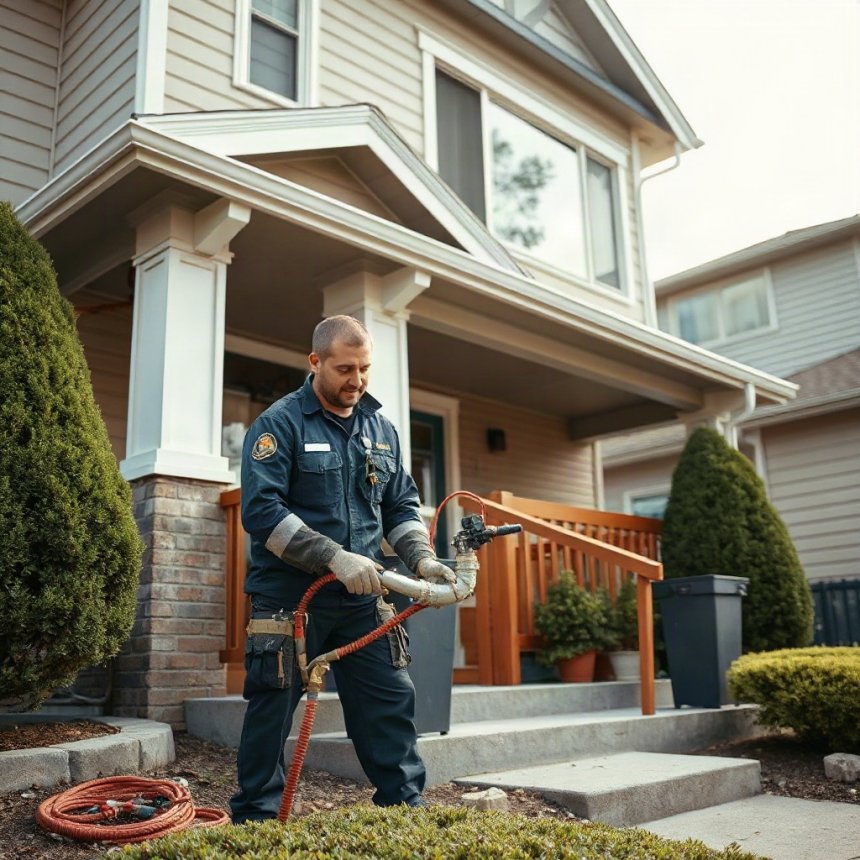
Navigating Plumbing Realities in Fresno's Historic Tower District
Fresno's Tower District is known for its architectural character, featuring homes built largely in the 1920s through the 1950s. While these vintage properties offer unmatched charm, their original plumbing systems often present unique challenges. Decades of structural settling, shifts in Central Valley soil, and the natural aging of materials mean that homeowners in this historic neighborhood frequently encounter specific plumbing failures that modern subdivisions rarely face.
Understanding what lies behind the plaster walls and beneath the pier-and-beam or slab foundations of a Tower District home helps property owners diagnose recurring issues, distinguish between minor inconveniences and major failures, and plan appropriate repairs.
Vintage Pipe Materials and Internal Corrosion
Many homes in the Tower District still rely on portions of their original piping, or have undergone piecemeal repairs over the decades that left a patchwork of different materials in place. Recognizing what is behind your walls dictates how a plumbing problem should be handled.
Galvanized Steel Pipes
Original supply lines in mid-century and earlier Fresno homes were frequently constructed from galvanized steel. Over 50 to 80 years, mineral accumulation from Central Valley water and internal rust constrict the interior diameter of these pipes. Homeowners typically notice this as a sudden or gradual drop in water pressure when multiple fixtures are opened simultaneously, or discolored water upon first turning on a tap in the morning.
Cast Iron and Orangeburg Drain Lines
Underground and in-wall drain systems in older homes often utilized cast iron piping. Over decades of exposure to household waste and acidic soils, the interior walls of cast iron scale, pit, and eventually corrode completely through. In some mid-century properties, bituminous fiber pipe—commonly known as Orangeburg pipe—was used for sewer laterals. Orangeburg is particularly susceptible to deformation, saturation, and collapse over time as the surrounding earth shifts.
Tree Root Intrusion in Mature Neighborhoods
The Tower District features mature, large shade trees such as elm, ash, and ornamental varieties that have grown alongside these historic homes for generations. While these trees enhance the neighborhood's aesthetic appeal, their root systems constantly seek moisture. Sewer laterals constructed decades ago often utilized clay tile or cast-iron pipe with bell-and-spigot joints sealed with mortar or lead.
Over time, these joints become slightly brittle or develop hairline cracks. Tree roots exploit these microscopic openings, entering the pipe to feed on moisture and nutrients. Once inside, they proliferate into dense mats that catch toilet paper and debris, resulting in recurring main line backups, slow-draining tubs, and gurgling toilets.
Foundation Shifts and Underslab Vulnerabilities
Depending on whether a Tower District property was built on a raised foundation with a crawlspace or directly on a concrete slab, structural shifts can place immense stress on rigid water and drain lines.
- Raised Foundations: Common in the older sections of the neighborhood, crawlspaces allow easier visual inspection of supply and waste lines. However, older steel and copper pipes supported by aging hangers can sag, putting stress on threaded joints and solder connections.
- Slab Foundations: Properties built later or remodeled with concrete slabs face the risk of under-slab leaks. Copper lines running through or beneath concrete can develop pinhole leaks due to soil friction or chemical reactions with aggregate materials, leading to unexplained warm spots on floors or sudden spikes in water bills.
Diagnostic Limitations and Inspection Methods
When dealing with older home plumbing, surface symptoms rarely tell the whole story. A slow drain or a drop in water pressure could indicate a localized obstruction or a systemic failure.
Professional diagnosis often relies on specialized equipment rather than guesswork:
- Sewer Camera Inspections: Pushing a high-definition fiber-optic camera through the cleanout allows a plumber to visually inspect the interior condition of the sewer lateral, identifying root intrusion, offset joints, cracks, or structural collapses without excavating landscaping.
- Static Pressure Testing: Attaching a gauge to a hose bib helps isolate whether a pressure drop stems from a failing pressure regulator or internal pipe blockage caused by mineral scale.
Repair, Replacement, and Modernization Considerations
When an older plumbing system fails, property owners must weigh the merits of localized repairs against whole-house repiping or trenchless sewer replacement.
Patching a corroded section of galvanized steel often proves ineffective because the remaining pipe nearby is equally degraded and prone to failing shortly after. In many historic homes, systematic repiping using modern PEX (cross-linked polyethylene) or copper provides a permanent solution, routing new lines through walls and attics while abandoning compromised vintage runs.
For damaged sewer lines, trenchless pipe-bursting or cured-in-place pipe (CIPP) lining often minimizes the need to tear up mature landscaping, historic concrete walkways, or established driveways common to Tower District properties.
Frequently Asked Questions
Why does my water pressure drop significantly when someone flushes the toilet?
In older homes with galvanized steel pipes, severe internal rust and mineral restriction narrow the pathway for water. When a high-demand fixture like a toilet tank refills, it temporarily starves other fixtures of volume and pressure. If the home has a main pressure reducing valve (PRV), a failing PRV can also cause this symptom.
Are tree roots in my sewer line covered by homeowners insurance?
Standard homeowners insurance policies typically cover sudden and accidental water damage inside the home (such as a burst supply line), but they rarely cover gradual wear and tear, tree root intrusion, or maintenance issues affecting exterior underground sewer laterals. Reviewing your specific policy or checking for endorsement riders is recommended.
How can I tell if my cast iron drain pipes are failing?
Early warning signs include persistent slow drains that do not respond to standard snaking, foul sewage odors near floor drains, damp patches in yards near the sewer line path, and recurring backups in lower-level fixtures when washing machines discharge. A camera inspection is the only definitive way to confirm the structural integrity of the pipe.
Should I repair or completely replace old galvanized water pipes?
If a galvanized pipe has burst or leaked in one spot due to localized damage, a repair clamp or section replacement may buy temporary time. However, if multiple leaks occur or if water pressure is severely restricted throughout the house, localized repairs are usually throwing good money after bad. Full replacement with modern PEX or copper is often more cost-effective long-term.
Do older Fresno homes have municipal cleanouts installed?
Many homes built in the early-to-mid 20th century were constructed without an exterior property-line cleanout. Plumbers often need to access the drainage system through a roof vent or by pulling a toilet if an accessible cleanout was never added during previous renovations or property updates.