Sewer Backup in Fresno
Dealing with a sewer backup in Fresno? Discover what to do first, immediate safety steps, practical causes, repair options, and when to call a plumber.

Sewer Backup in Fresno: What Should You Do First?
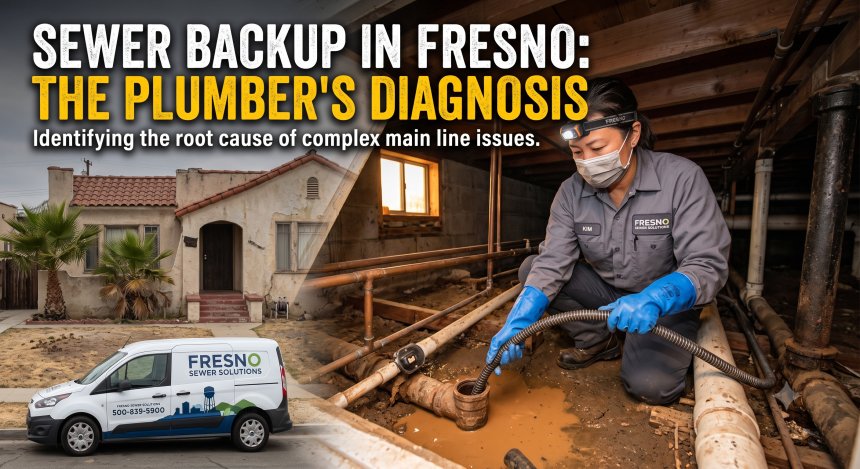
Discovering dark, foul-smelling wastewater bubbling up through your shower floor, bathtub, or ground-level toilet is every property owner's nightmare. A municipal or residential sewer problem disrupts your day, poses genuine health hazards, and threatens expensive interior finishes.
When facing an active Sewer Backup in Fresno: What Should You Do First?
Your immediate priority is straightforward: Stop using all water inside your home immediately, keep family and pets away from contaminated areas, do not run electrical appliances standing in water, and locate your main sewer cleanout or call a licensed plumbing professional.
Below is an exhaustive, field-tested guide covering immediate safety protocols, underlying causes specific to the Central Valley, professional diagnostic processes, honest cost dynamics, and preventative maintenance strategies.
Immediate Emergency Action Plan: The First 15 Minutes
When wastewater begins reversing into your living space, quick action mitigates secondary contamination and structural water damage.
1. STOP ALL WATER USAGE ──► Turn off faucets, stop washing machines & dishwashers.
2. ISOLATE THE AREA     ──► Close bathroom/laundry doors; keep children & pets away.
3. SHUT OFF POWER       ──► Cut breaker power ONLY if safe to reach without stepping in sewage.
4. VENTILATE SAFELY     ──► Open exterior windows; avoid running central HVAC.
5. LOCATE MAIN CLEANOUT ──► Check front yard/flower beds for a capped pipe fitting.
6. CALL A PROFESSIONAL  ──► Contact Plumber in Fresno at 844-833-2093.
-
Cut Off the Water Source: If a fixture continues to overflow or a valve is stuck, turn off your home's main water shutoff valve (usually near your water meter or where the main supply line enters the home).
-
Avoid Contact with Category 3 "Black Water": Sewage contains harmful pathogens, bacteria (E. coli, Salmonella), and viruses. Wear rubber boots and heavy gloves if you must walk near affected areas.
-
Do Not Use Chemical Drain Cleaners: Dumping caustic chemicals into standing sewage will not clear a main sewer line blockage and creates dangerous chemical splash hazards for plumbers performing mechanical cable or jetting work.
What Is a Main Sewer Line Backup?
Your home's plumbing system relies on gravity. Every drain fixture—sinks, bathtubs, showers, and toilets—connects to a network of smaller branch drain lines. These branch lines slope downward into your building's primary underground main sewer lateral. This single pipe carries all wastewater away from your foundation, underneath your yard, and into the City of Fresno's municipal sewer main or a private septic tank.
[ Kitchen Sink ] ──┐
[ Bathtub/Shower] ──┼──► [ Branch Drain Lines ] ──► [ Main Sewer Lateral ] ──► [ Fresno City Sewer Main ]
[ Toilet / Wash ] ──┘                                        │
                                                   (Blockage Occurs Here)
                                                             ▲
                                             Water Reverses to Lowest Fixture
A sewer backup occurs when a severe obstruction, pipe collapse, or structural defect blocks this primary exit conduit. Because wastewater has nowhere to discharge, downstream water reverses and seeks the lowest available relief points inside the house—typically ground-floor bathtubs, basement floor drains, showers, or toilet bases.
Why Does a Sewer Backup Happen in Fresno?
Understanding local soil conditions, regional infrastructure, and property construction patterns clarifies why main line backups frequently strike properties across Fresno County.
1. Invasive Root Systems
Mature shade trees, such as Modesto Ash, Chinese Elms, Liquidambars, and large landscape palms, have extensive root networks seeking moisture. Tiny hairline roots enter tiny joints or microscopic fissures in older clay, vitrified tile, or cast-iron sewer pipes. Once inside, they feed on continuous moisture and expand into dense, pipe-choking root balls.
2. Aging Infrastructure & Pipe Degradation
Many historic homes across the Tower District, Central Fresno, and Old Fig Garden still rely on vitrified clay or cast iron pipes installed decades ago. Cast iron corrodes internally, developing jagged interior scale that snags solids, while clay lines become brittle, fracture, and misalign.
+------------------+------------------------+---------------------------------------+
| Pipe Material    | Common Age in Fresno   | Primary Vulnerability                 |
+------------------+------------------------+---------------------------------------+
| Vitrified Clay   | Pre-1970s              | Brittle, root intrusion at slip joints|
| Cast Iron        | 1950s - 1970s          | Internal scaling, bottom rust-out     |
| Orangeburg       | 1940s - 1960s          | Delamination, flattening, collapse    |
| ABS / PVC        | 1980s - Present        | Joint failure, improper slope, bellies|
+------------------+------------------------+---------------------------------------+
3. FOG Buildup (Fats, Oils, and Grease)
Warm grease poured into a kitchen sink liquidizes temporarily, then congeals against the cold interior walls of underground drainage pipes. Over months, this grease forms a sticky barrier that traps food particulates, lint, and paper products.
4. Flushed Hygiene Products ("Flushable" Wipes)
Wet wipes, feminine hygiene products, paper towels, and dental floss do not disintegrate like standard toilet tissue. They bind with residual grease, catching on pipe imperfections and creating impenetrable blockages.
5. Fresno Soil Movement and Pipe "Bellies"
The Central Valley features areas of dense clay and hardpan soils that expand when wet and contract during hot, dry summer months. This ground shifting causes sections of buried drain pipe to sag, forming a low spot known as a pipe belly. Gravity flow slows inside bellies, allowing solids to settle and accumulate into recurring clogs.
Warning Signs You Should Never Ignore
Main line backups rarely occur without prior indication. Watching for early warning signs allows you to address the blockage before contaminated water ruins your flooring and drywall.
-
Multiple Drains Slow Simultaneously: If a single sink is slow, it is likely an isolated branch clog. If the kitchen sink, guest bathtub, and washing machine drain all drain slowly at the same time, the primary sewer lateral is restricted.
-
Gurgling or Bubbling Fixtures: Air trapped in the sewer line escapes upward through water traps when forced out by draining water. If flushing your toilet causes the nearby bathtub drain to make a glugging sound, the main line is venting poorly due to an obstruction.
-
Water Backing Up into Alternate Fixtures: Running the washing machine causes wastewater to appear in the bottom of your ground-floor shower.
-
Foul Sewage Odors: Smelling sewer gas near indoor drains, cleanout caps, or around your exterior foundation indicates compromised seals, dried P-traps, or sewer line venting issues.
-
Unusually Lush Green Patches in the Yard: If a section of your lawn above the sewer pipe path is greener or faster-growing than the surrounding grass, underground wastewater may be leaking into the soil.
Related Secondary Plumbing Issues
A main sewer line restriction causes cascading failures throughout a home's plumbing system:
                  ┌──► Hydrostatic Stress ──► Weakened Joints & Pinholes
                  │
[ Main Sewer Clog] ┼──► Structural Rot     ──► Subfloor & Joist Decay under Fixtures
                  │
                  └──► Biological Growth  ──► Rapid Mold & Mildew Behind Baseboards
-
P-Trap Evaporation and Seal Breaches: Backpressure can siphon water out of P-traps, allowing toxic hydrogen sulfide and methane gases to enter living spaces.
-
Wax Ring Failures: When wastewater backs up under a toilet base, the pressurized liquid blows out the wax seal, leaking contaminated water beneath subflooring and rotting wood floor joists.
-
Slab and Foundation Leaks: Long-term undetected fractures in sewer lines running under concrete slab foundations erode structural soil, causing foundation settlement or slab cracks.
Professional Step-by-Step Diagnostic & Repair Process
Professional plumbing contractors follow a structured diagnostic and repair methodology to resolve sewer emergencies safely and permanently.
[1. Inspection] ──► [2. Hydrostatic Relief] ──► [3. High-Def Camera] ──► [4. Targeted Repair] ──► [5. Quality Test]
Step 1: Arrival & Safety Isolation
The technician verifies immediate hazards, ensures electrical panels near wet areas are safe, and identifies all affected branch lines.
Step 2: Main Cleanout Access & Hydrostatic Relief
The plumber locates your external sewer cleanout fitting. Opening a pressurized cleanout requires controlled relief techniques to prevent sudden exterior backflow onto landscaping or walkways.
Step 3: High-Definition Sewer Camera Inspection
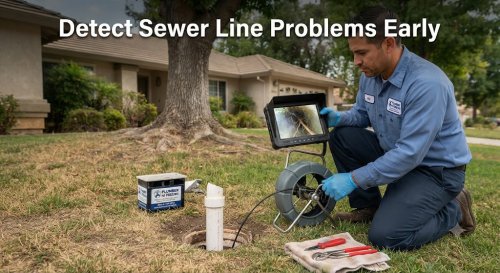
A waterproof, self-leveling HD fiber-optic camera head is guided down the lateral. This reveals the precise nature of the obstruction (root mass, broken joint, grease clog, or pipe collapse) and measures the exact depth and distance from the cleanout.
Step 4: Clearing the Obstruction
-
Heavy-Duty Mechanical Snaking: An industrial continuous-cable auger fitted with hardened steel cutting blades spins through the line to chop roots and punch through dense debris.
-
Hydro Jetting: High-pressure water (up to 4,000 PSI) blasted through specialized reverse-thrust nozzles scrubs internal grease, scours scale, and washes residual debris into the city main.
Step 5: Post-Clearing Camera Verification
A second camera pass verifies that the pipe walls are intact and clean, ensuring that structural defects hidden beneath the clog are accurately documented.
Step 6: Permanent Structural Repair (If Required)
If structural damage or root shear is discovered:
-
Trenchless Pipe Lining (CIPP): An epoxy-saturated felt tube is inserted into the damaged host pipe, inflated, and cured in place, creating a jointless pipe within a pipe without destroying your yard.
-
Trenchless Pipe Bursting: A hydraulic head breaks apart the old, brittle pipe while pulling a seamless, high-density polyethylene (HDPE) pipe into the existing void.
-
Traditional Open-Trench Excavation: Used when lines have severe belly depressions, improper slopes, or total collapses that cannot support trenchless liners.
Safe DIY Steps vs. When to Call a Professional
Safe Actions Homeowners Can Take
-
Shut off all water fixtures immediately.
-
Open ground-level cleanout caps manually only if the cleanout is outside the home and lower than your indoor shower pans, allowing wastewater to relieve safely outdoors rather than into carpets.
-
Apply clean towels or sandbags around bathroom doors to contain contamination if water is actively creeping into living spaces.
Dangerous DIY Mistakes to Avoid
-
Do Not Rent Heavy Commercial Rooter Equipment Without Experience: High-torque sewer snakes can twist, snap fingers, or fracture fragile aging clay pipes if operated incorrectly.
-
Do Not Pour Caustic Lye or Sulfuric Acid into Standing Water: These chemicals rarely reach deep underground clogs and can melt older thin-wall plastic fittings, burn eyes, and release noxious vapors.
-
Do Not Disassemble Indoor Fixture Traps During a Main Backup: Removing a P-trap under a sink when the main line is flooded causes the entire vertical column of wastewater from upper fixtures to dump directly onto your floor.
Specialized Equipment Plumbers Rely On
Modern sewer repair requires professional tools capable of handling heavy blockages and navigating underground infrastructure.
+-----------------------------+------------------------------------+-------------------------------------------+
| Equipment Type              | Primary Function                   | Key Advantage                             |
+-----------------------------+------------------------------------+-------------------------------------------+
| HD Fiber-Optic Drain Camera | In-pipe video diagnostic           | Pinpoints location, depth & pipe condition|
| Digital Pipe Sonde/Locator  | Radio-frequency line tracing       | Prevents unnecessary digging              |
| Industrial Hydro Jetter     | 3,500 - 4,000 PSI water scrubbing  | Removes 100% of wall grease & scale       |
| Mechanical Drum Machine     | High-torque root cutting           | Chops thick woody roots and hard clogs    |
| Inversion Drum / UV Curing  | Trenchless pipe lining installation| Restores pipe without surface excavation  |
+-----------------------------+------------------------------------+-------------------------------------------+
Repair Timelines
The time needed to resolve a sewer backup depends on the underlying cause and the extent of line repair needed.
-
Emergency Clearing & Hydro Jetting: 1 to 3 hours. Snaking the line, performing camera diagnostics, and flushing debris restores basic drainage quickly.
-
Trenchless CIPP Epoxy Lining: 4 to 8 hours. Relining an existing lateral avoids major digging and is typically completed within a single day.
-
Trenchless Pipe Bursting Replacement: 1 to 2 days. Involves digging entry and exit pits, pulling new HDPE pipe, and reconnecting city fittings.
-
Full Open-Trench Excavation: 2 to 4 days. Necessary for collapsed lines, deep connections, or severe pipe bellies requiring slope correction, excavation, backfill, and surface restoration.
Realistic Cost Factors
Plumbing repair costs vary depending on the severity of the problem, accessibility, materials required, emergency service, property type, and local labor rates.
                          ┌──► Severity of Clog / Extent of Damage
                          │
                          ├──► Access Depth (Shallow Cleanout vs. Under Driveway)
                          │
[ Final Sewer Cost ] ─────┼──► Selected Method (Hydro Jetting vs. Relining vs. Digging)
                          │
                          ├──► Municipal Permits & Inspection Fees (City of Fresno)
                          │
                          └──► Emergency / Weekend / After-Hours Response
-
Diagnostic & Camera Inspection: Basic camera passes often carry a standard service diagnostic fee, which is frequently credited toward major repairs.
-
Snaking vs. Hydro Jetting: Basic mechanical clearing is straightforward; comprehensive hydro-jet scouring requires specialized pump trailers and high-pressure hose systems.
-
Repair vs. Total Lateral Replacement: Spot repairs cost less than full replacements, but replacing a deteriorated line with modern seamless HDPE or cured-in-place epoxy provides a long-term solution that avoids recurring service calls.
-
Permitting & Site Restoration: Excavations requiring work in public rights-of-way involve city encroachment permits, traffic control, and asphalt/concrete restoration fees.
Critical Realities Property Owners Should Know
-
Small, recurring clogs signal imminent failure: Using a plunger on a slow-draining toilet every two weeks usually indicates a progressive main line restriction that will eventually result in a full backup.
-
Homeowners insurance often requires specific riders: Standard hazard policies frequently exclude damages caused by sewer lateral backups unless you carry an optional "Water and Sewer Line Backup" endorsement.
-
Chemical additives do not remove tree roots: Over-the-counter copper sulfate crystals may kill small root ends temporarily, but the woody structure remains inside the pipe and continues catching solid waste.
-
Hard water accelerates mineral scaling: Fresno’s regional water hardness leaves scale buildup inside older cast iron sewer lines, creating rough surfaces that snag paper debris.
-
Neglecting sewer cleanup creates toxic environments: Porous materials like carpets, drywall, and baseboards exposed to Category 3 black water require proper antimicrobial treatment or professional remediation to avoid mold growth.
15 Common Mistakes Homeowners Make
-
Flushing Disinfecting & Baby Wipes: Labeled "flushable" or not, wipes do not break down in sewer lines.
-
Pouring Pan Grease Down the Kitchen Sink: Always collect grease in disposable cans and discard it in solid trash.
-
Planting High-Water Trees Near the Sewer Line: Keep large trees planted well away from your underground lateral path.
-
Ignoring Single Gurgling Fixtures: Gurgling is the earliest sign of air displaced by building waste.
-
Relying on Chemical Drain Openers: Harsh chemicals heat up and can damage PVC joints or corrode thinning cast iron.
-
Operating Appliances During a Slow Drain Event: Running a 40-gallon dishwasher cycle while your main line is restricted leads to wastewater overflowing onto floors.
-
Covering Up Exterior Cleanout Access Caps: Cleanout caps buried under concrete patios, decks, or deep dirt delay emergency access.
-
Hiring Unlicensed Handymen for Main Line Excavations: Sewer lines require proper slope (1/4 inch fall per foot) and local code compliance to prevent standing water.
-
Delaying Professional Cleanup: Allowing black water to sit on subfloors spreads structural rot and bacteria.
-
Using Excessive Toilet Paper: Large bundles of multi-ply paper easily bridge across minor pipe imperfections.
-
Assuming Garbage Disposals Grind Everything: Disposals do not dissolve potato peels, celery stalks, coffee grounds, or eggshells.
-
Forgetting to Install a Backwater Valve in Low-Lying Homes: Properties lower than the street sewer main benefit significantly from a backflow preventer.
-
Neglecting Routine Video Inspections on Older Homes: Older homes should have their main drain line inspected via camera every few years.
-
Over-Tightening Cleanout Plugs: Plastic or brass cleanout threads can strip or crack if forced with improper wrenches.
-
Misdiagnosing Main Line Clogs as Vent Stack Issues: Roof vent issues are rare compared to underground physical line blockages.
Routine Preventative Maintenance Guidelines
-
Schedule a Bi-Annual Camera Inspection: Video checkups confirm that old lines remain clear of root growth, scale, and shifting.
-
Practice Kitchen Drain Care: Wipe greasy pans with paper towels before washing dishes, and use sink strainers to catch food particles.
-
Flush Drains with Hot Water Weekly: Running hot tap water down kitchen drains helps push residual soap scum and oils through your home's branch lines.
-
Use Enzyme-Based Biological Cleaners: Monthly natural enzyme treatments break down organic drain slime without corroding pipes or harming the environment.
-
Inspect Cleanout Plugs Annually: Ensure outdoor cleanout caps are tight and visible, and replace damaged, cracked plastic caps to keep dirt and debris out.
-
Prepare for Seasonal Shifting: Following heavy winter rains or prolonged summer droughts, monitor ground-floor fixtures for changes in drainage speed.
When to Call an Emergency Plumber
Call for immediate professional assistance if you notice any of the following:
[!] Raw sewage overflowing from bathtubs, floor drains, or toilet bases.
[!] Multiple plumbing fixtures backing up simultaneously across different rooms.
[!] Electrical panels, baseboard heaters, or appliances threatened by standing water.
[!] Structural gurgling paired with an inability to use basic restroom facilities.
When wastewater threatens your property, contacting an emergency plumber immediately helps prevent extensive structural damage and ensures your plumbing is restored safely.
Frequently Asked Questions
Why is sewage coming up through my bathtub drain?
The bathtub is usually the lowest open drain fixture in your home. When the main sewer line underground is blocked, wastewater cannot escape toward the street. It reverses back up the pipe network and overflows through the lowest point first—typically your ground-floor bathtub or shower pan.
What should I do first during a sewer backup in Fresno?
Stop running all water immediately. Do not flush toilets, run faucets, or use washing machines. Keep children and pets away from contaminated areas, and contact a licensed plumbing contractor to locate your cleanout and clear the primary lateral.
Can tree roots grow back after hydro jetting?
Yes. Hydro jetting cuts out all existing root intrusion and scours the pipe clean, but it does not seal the tiny structural cracks where roots entered. Roots will slowly return unless the pipe is permanently repaired using trenchless CIPP epoxy lining or pipe replacement.
What is the difference between a main line clog and a secondary branch clog?
A secondary branch clog affects only one isolated fixture (such as a single clogged bathroom sink). A main sewer lateral clog causes multiple fixtures throughout the house to back up, gurgle, and drain slowly at the same time.
Will standard homeowners insurance cover sewer backup damage?
Most standard policies exclude water and sewer backups unless your policy includes an optional Sewer and Drain Backup endorsement. Check with your insurance agent to verify your coverage.
What is an outdoor sewer cleanout and where is it located?
An outdoor sewer cleanout is a vertical pipe connected directly to your main lateral, capped at ground level. It is typically found in front flower beds, near exterior hose bibs, or near the front sidewalk. It provides direct access for plumbing cameras, snakes, and jetting equipment.
Is hydro jetting safe for older clay or cast iron pipes?
When performed by a qualified technician who first completes a camera inspection, hydro jetting is safe and effective. The technician adjusts the pressure to clear roots and debris without damaging fragile pipe walls.
What should I do if raw sewage spills onto my flooring?
Wear protective rubber boots and heavy gloves. Contain the water using old towels, turn off your HVAC system to prevent circulating odors, discard porous contaminated items, and call a professional water damage restoration service to sanitize the area.
Can chemical drain cleaners clear a main sewer backup?
No. Chemical drain cleaners are designed for minor sink clogs close to the drain opening. They dilute in standing sewage, cannot cut through heavy tree roots or thick grease deep underground, and pose chemical burn hazards to technicians.
How does trenchless pipe lining work?
Trenchless pipe lining (CIPP) involves inserting a flexible, resin-impregnated felt liner into your damaged sewer line through an existing cleanout. The liner is inflated and cured in place, creating a smooth, joint-free pipe inside the old line without requiring large trenches in your yard.