Gas Line Pressure Testing & Repair Cost in Fresno

Understanding Gas Line Pressure Testing and Repair Expenses
When dealing with suspected gas leaks, appliance installations, or real estate transactions in Fresno, property owners often face the requirement of a gas line pressure test. Because natural gas systems operate under precise, controlled pressures, evaluating them requires specialized equipment and technical precision. Rather than a single flat fee, the total financial investment for testing and subsequent repairs depends on several distinct variables, including the scope of the system, accessibility, and the nature of any required code-compliant fixes.
The Core Factors That Influence Testing Costs
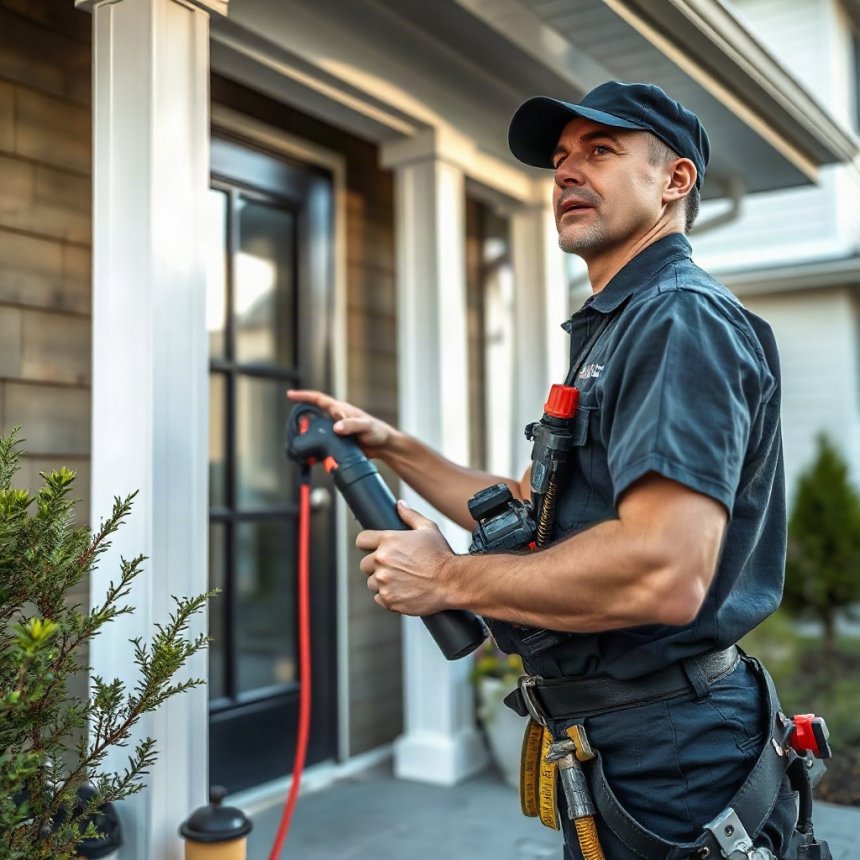
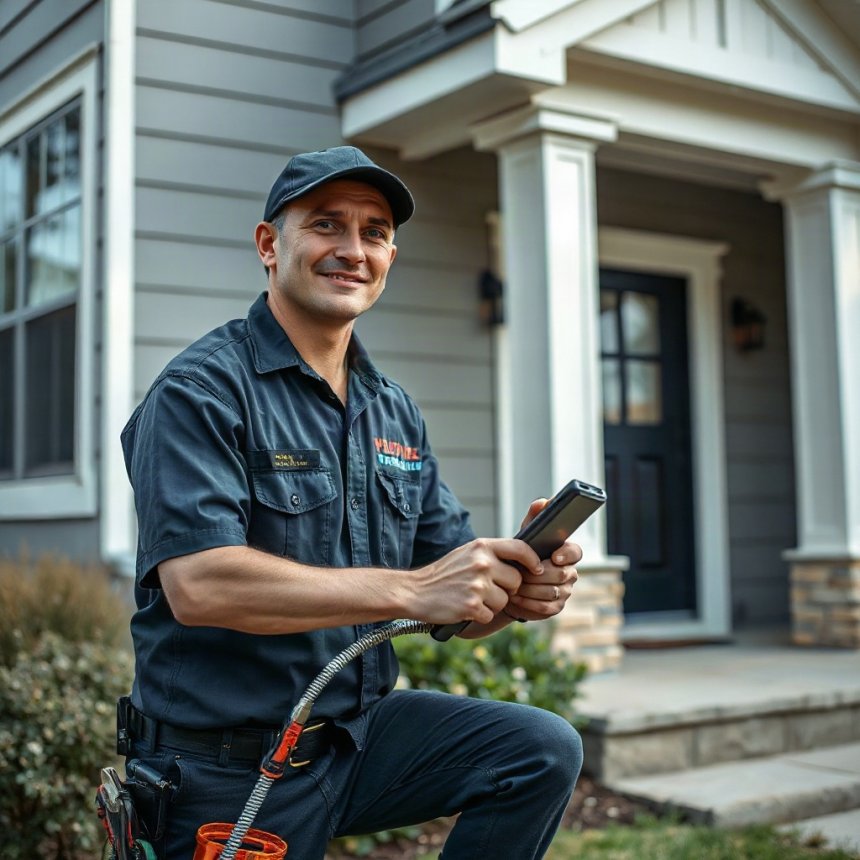
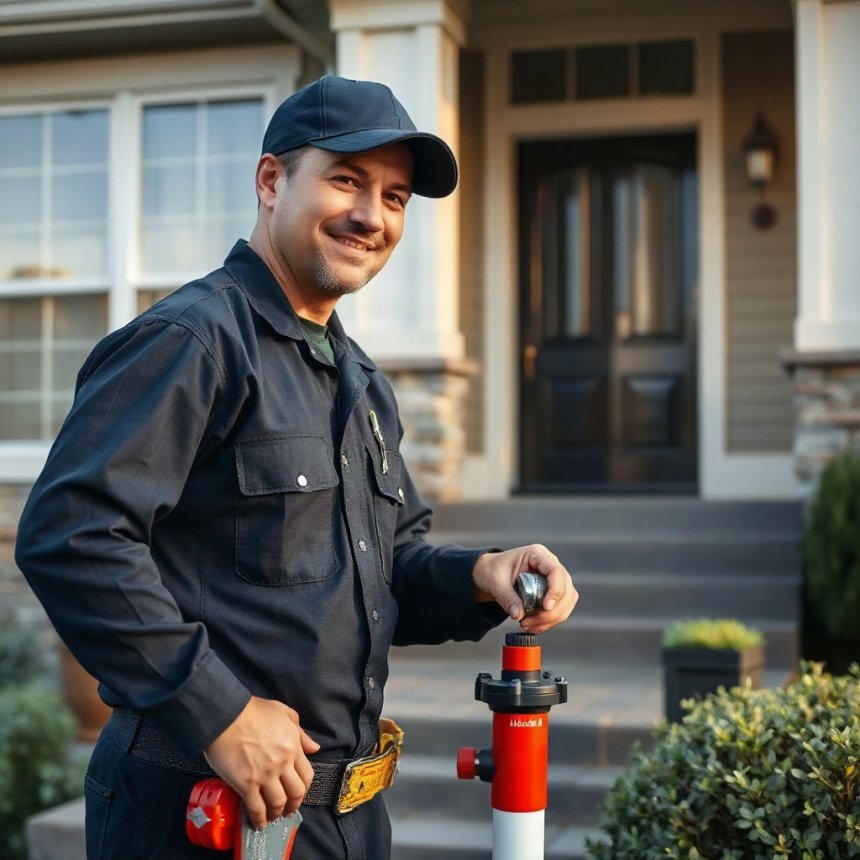
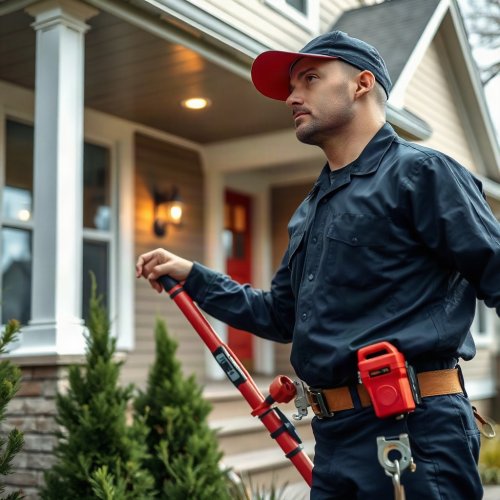
A standard gas pressure test involves isolating the gas piping system, shutting off all connected appliances, and attaching a calibrated pressure gauge or manometer to measure pounds per square inch (psi) or inches of water column. Several elements shape the final cost of this procedure:
- Size and Complexity of the System: A small home with a single water heater and cooktop presents a straightforward testing process. Larger residential properties or commercial spaces with multiple branch lines, outdoor kitchens, or pool heaters require more time to isolate and pressurize.
- Accessibility of Piping: If shut-off valves are easily accessible and the system holds pressure on the first attempt, labor time remains minimal. If valves are corroded, hidden behind walls, or require custom adapters to attach test gauges, preparation time increases.
- Diagnostic Time vs. Standalone Tests: A routine test for a home sale or permit sign-off is often quicker than a diagnostic test performed to locate a slow, hidden pressure drop in an existing system.
Understanding Gas Line Repair Costs and Variables
If a pressure test fails—indicated by a drop on the gauge over a specified duration—repairs are legally and safely required before the utility company or local building authority will restore or approve gas service. Repair costs vary wildly because every leak and piping layout is entirely unique.
Key factors that dictate repair pricing include:
- Location of the Leak: A leaking shut-off valve inside a utility room is relatively quick to replace. Conversely, a leak located beneath a concrete slab foundation, inside a finished wall, or along an underground run to an exterior detached garage involves significantly more labor.
- Material and Code Requirements: Older Fresno homes may feature outdated piping materials or configurations that must be brought up to current California Plumbing Code standards during a repair. Transitioning from older materials or installing required sediment traps (drip legs) and modern shut-off valves affects both material and labor time.
- Restoration Work: Plumbers focus strictly on the gas piping itself. If a pipe runs beneath drywall, concrete, or extensive landscaping, the cost of opening access points and subsequent structural or surface patching is typically handled separately from the plumbing labor.
What to Clarify Before Approving an Estimate
When reviewing a project estimate for gas line testing or repair, property owners should ask targeted questions to ensure a complete understanding of the scope of work:
- Does the quoted price include a preliminary safety check of all connected appliances?
- Are permits and local municipal sign-offs included in the service scope, if required by the City of Fresno or Fresno County building departments?
- What specific steps and materials are included if the initial pressure test fails and leak isolation becomes necessary?
- Is the testing duration compliant with local code and utility provider standards?
Safety Considerations and Professional Responsibility
Natural gas systems demand absolute strict adherence to safety protocols. A gas leak or a compromised pressure test is never a minor issue. Under no circumstances should property owners attempt to bypass safety shut-offs, force unapproved sealants into gas lines, or conduct unauthorized modifications. Any intervention on fuel gas piping requires qualified professionals who possess the proper licensure, insurance, and diagnostic tools to ensure the entire network is completely sealed and safe for everyday use.
Frequently Asked Questions
Why would a Fresno home require a gas line pressure test?
Pressure tests are typically required when installing a new gas appliance, replacing a meter, suspecting a gas leak, or completing a real estate transaction where local building authorities or utility providers request verification of system integrity.
How long does a standard gas pressure test take?
The actual holding test may take anywhere from 15 to 30 minutes depending on local code requirements, but the preparation time—including shutting off all pilot lights, isolating appliances, and installing test gauges—can extend the total appointment duration.
Does a failed pressure test mean the entire gas line must be replaced?
Not necessarily. A pressure drop only indicates that somewhere in the system, gas is escaping. Professional technicians use specialized isolation techniques and electronic detection tools to pinpoint the exact failure point, allowing for localized repairs or pipe runs.
Are permits required for gas line repairs in Fresno?
Depending on the extent of the work—such as running new lines, replacing major sections, or addressing red-tagged meters—local building codes and the City of Fresno or Fresno County may require a permit and subsequent inspection. It is always best to verify current local requirements with the performing professional.
Can I smell a gas leak if the pressure test fails?
Not always. While utility companies add mercaptan to give natural gas a distinct rotten-egg odor, very slow leaks behind walls, under floors, or underground may not produce a noticeable smell indoors, which is why mechanical pressure testing is necessary.