Protecting Home Fixtures from Central Valley Hard Water Scale
Learn how hard water scale affects plumbing fixtures in Fresno and the Central Valley, and discover practical ways to protect your home's water systems.


Understanding Hard Water Scale in the Central Valley
Properties throughout Fresno and the broader Central Valley contend with a high mineral content in their municipal and well water supplies. Groundwater in this region picks up significant amounts of calcium and magnesium as it moves through local soils and rock formations. When this hard water passes through residential plumbing systems, it leaves behind dissolved mineral deposits that gradually accumulate as a hard, chalky crust known as scale.
This mineral buildup does not happen overnight, but its cumulative effects impact virtually every component that touches water—from kitchen faucets and showerheads to washing machines and tank water heaters. Recognizing how scale forms and understanding which fixtures are most vulnerable can help property owners prevent premature component failure and costly replacements.
How Hard Water Impacts Plumbing Fixtures and Appliances
As hard water is heated or evaporates, the dissolved calcium and magnesium separate from the liquid and bond to metal, ceramic, and plastic surfaces. This process accelerates rapidly in appliances that heat water, such as standard storage-tank water heaters and tankless units.
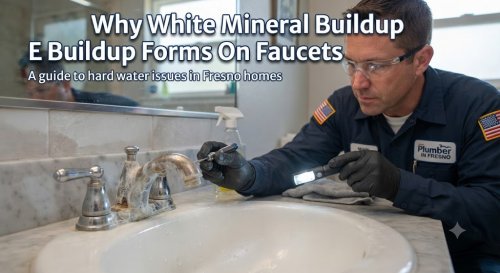
- Faucets and Aerators: Mineral crystals collect inside the fine mesh of aerators, restricting water flow, causing irregular spray patterns, and eventually seizing moving handles or ceramic cartridges.
- Showerheads: Internal nozzles clog over time, leading to reduced pressure, crooked streams, or complete blockage of individual spray holes.
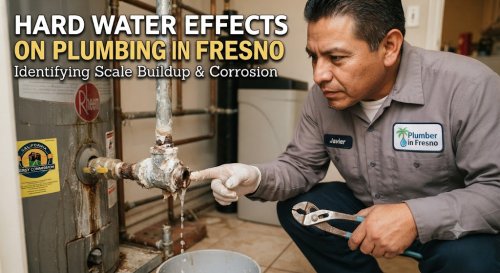
- Water Heaters: Scale settles at the bottom of tank-style water heaters, creating a thermal barrier between the burner and the water. This forces the system to work harder, increasing energy bills, causing popping or rumbling noises, and shortening tank life. Tankless water heaters can experience rapid heat exchanger scaling, leading to error codes and reduced flow rates.
- Toilets: Mineral buildup along the flush rim and flapper seat can prevent proper sealing, resulting in slow, continuous leaks into the bowl.
Practical Prevention and Maintenance Steps
While you cannot change the mineral content of the incoming municipal supply, you can significantly reduce the damage scale causes through targeted maintenance and equipment choices.
Routine Cleaning of Aerators and Showerheads
Remove threaded faucet aerators and showerheads periodically to inspect them for white or yellowish crust. Soaking these components in a mild acidic solution, such as standard white vinegar, helps dissolve calcium carbonate deposits safely without damaging metal finishes or rubber washers. Once loosened, gently scrub the debris away with a soft brush before reinstallation.
Water Softening Solutions
The most effective defense against whole-house scale accumulation is a properly sized ion-exchange water softener. These systems remove calcium and magnesium ions before the water enters your home distribution lines. When evaluating a water softener for a Central Valley property, sizing depends on household water usage and the exact hardness grains-per-gallon rating of your specific water source.
Water Heater Maintenance
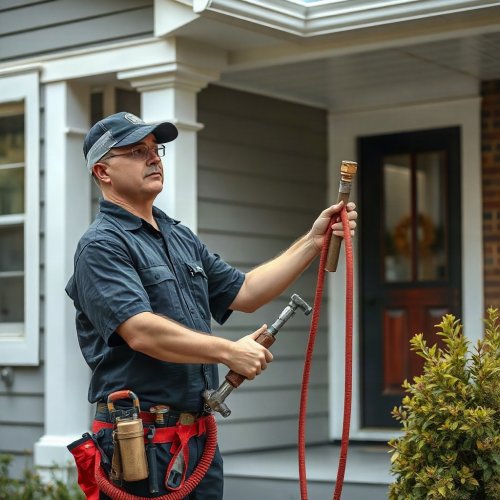
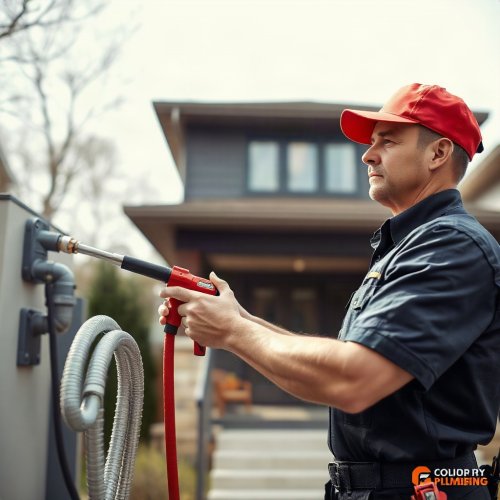
Flush standard storage-tank water heaters at least once a year to remove loose sediment and mineral sludge from the bottom of the tank. For tankless water heaters, periodic descaling procedures using a dedicated pump and food-grade vinegar solution are essential to keep the internal heat exchanger clear of restrictive mineral buildup.
Common Misconceptions About Hard Water Fixes
Homeowners often rely on quick fixes that offer limited protection. For instance, magnetic or electronic "descalers" are sometimes marketed as maintenance-free alternatives to traditional water softeners. While these electronic devices may alter how minerals behave in flowing water to reduce new adhesion, they do not remove minerals from the water and generally do not dissolve existing scale deposits already present in pipes or fixtures.
Another frequent oversight is assuming that drinking water filter pitchers protect home plumbing. These point-of-use pitchers treat only the small volume of water used for drinking, leaving the rest of the household supply—including showers, laundry lines, and water heaters—entirely unprotected against mineral accumulation.
Frequently Asked Questions
How can I tell if my home has hard water scale issues?
Common indicators include white, crusty buildup around faucet bases and shower drains, spots left on glassware after washing, stiff laundry, soap that does not lather easily, and a noticeable drop in water pressure from specific fixtures over time.
Can hard water damage the inside of my water supply pipes?
Yes. Over many years, mineral scale can narrow the interior diameter of copper, galvanized steel, and PEX piping, particularly near water heaters and elbows where turbulence occurs, though complete blockages are more common in fixtures and valves.
Does a water softener remove existing scale from my plumbing?
Traditional ion-exchange softeners stop new scale from forming and can slowly dissolve some existing soft deposits over months of exposure to soft water, but heavily calcified aerators, showerheads, and water heater elements usually require manual cleaning or replacement.
Are whole-house water softeners necessary for all Fresno properties?
While not legally mandated, they are widely used across the Central Valley to protect appliances, extend the lifespan of plumbing fixtures, and eliminate the frustration of constant mineral cleaning on glass and tile surfaces.
How often should a tankless water heater in a hard water area be descaled?
In the Central Valley, tankless water heaters typically require professional or homeowner descaling every 12 to 24 months, depending on the incoming water hardness and daily hot water consumption volume.