Emergency Plumber in Fresno
Need an emergency plumber in Fresno? Learn which plumbing problems need immediate help, how to prevent water damage, and when to call for 24/7 repairs.
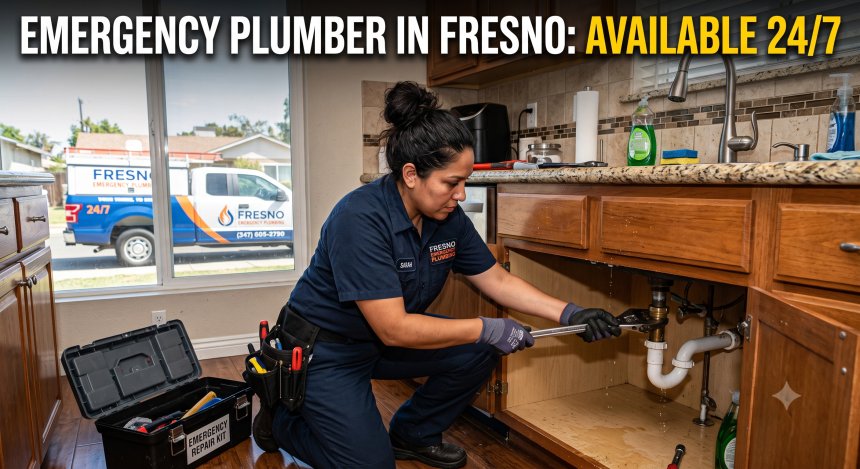
Emergency Plumber in Fresno: Which Plumbing Problems Need Immediate Help?
A sudden plumbing failure rarely happens at a convenient time. Whether it is a burst supply pipe flooding a hallway in Woodward Park at midnight or raw sewage bubbling up through shower drains in a Tower District bungalow on a Sunday afternoon, urgent plumbing failures demand fast, decisive action.
Water under pressure moves fast, and wastewater carries harmful contaminants that can quickly compromise your family's health and your property's structural integrity.Emergency Plumber in Fresno
Homeowners and commercial property managers across Fresno County frequently ask: What constitutes a real plumbing emergency, and what can safely wait until normal business hours? Knowing the difference can save you thousands of dollars in water damage restoration, mold remediation, and emergency service fees.
What Is an Emergency Plumbing Situation?
An emergency plumbing situation is any sudden, uncontrolled plumbing failure that causes active property damage, creates an immediate biohazard, or completely cuts off essential water or sanitation services to a property.
+-------------------------------------------------------------------------+
|                       EMERGENCY PLUMBING TRIAGE MATRIX                  |
+------------------------------------+------------------------------------+
|  IMMEDIATE 24/7 EMERGENCY CALL     |    ROUTINE / SCHEDULED SERVICE     |
+------------------------------------+------------------------------------+
| • Burst or split supply lines      | • Slow-draining sink or shower     |
| • Raw sewage backing up indoors    | • Minor faucet drips or running WC |
| • Complete loss of municipal water | • Water heater running warm/short  |
| • Active slab leaks flooding floors| • Low pressure at a single fixture |
| • Rumbling, leaking water heaters  | • Garbage disposal hums/stalls     |
| • Suspected interior gas line leaks| • Outdoor hose bib minor drips     |
+------------------------------------+------------------------------------+
Common Scenarios
-
Catastrophic Pipe Bursts: High-pressure water lines rupture behind drywall or inside ceilings, pouring gallons of water per minute into living areas.
-
Whole-House Sewer Backups: Waste lines clog downstream, causing toilet paper and blackwater to push backward through floor drains, tubs, and low-lying fixtures.
-
Active Slab Leaks: Hot or cold copper pressurized pipes beneath a home's concrete foundation split, creating hot floor spots, damp carpets, and foundation instability.
-
Total Water Outages: A main shutoff valve breaks, or a localized municipal supply line fails, leaving an entire household without drinking water or sanitation.
Why Do Urgent Plumbing Problems Happen in Fresno?
Fresno's climate, soil composition, and housing stock create unique stressors on residential and commercial plumbing systems.
                             +------------------------+
                             | Fresno Plumbing Stress |
                             +-----------+------------+
                                         |
     +-------------------+---------------+-------------------+-------------------+
     |                   |                                   |                   |
+----+----+         +----+----+                         +----+----+         +----+----+
| Hard    |         | Clay    |                         | Thermal |         | Aging   |
| Water   |         | Soil    |                         | Swings  |         | Pipes   |
+----+----+         +----+----+                         +----+----+         +----+----+
     |                   |                                   |                   |
     v                   v                                   v                   v
Mineral Scale       Ground Shifts                     Pipe Expansion      Corrosion &
& Clogged Lines     & Sheared Lines                   & Joint Fatigue     Thin Wall Fails
-
Mineral-Dense Hard Water: Central Valley municipal water contains high concentrations of dissolved calcium and magnesium. Over time, scale builds up inside copper pipes, valves, and water heaters, choking flow, accelerating galvanic corrosion, and causing premature tank rupture.
-
Expansive Clay Soils: Fresno sits on clay-heavy soils that expand significantly during wet winter months and shrink during blisteringly hot summers. This continuous ground movement places bending stress on underground sewer laterals and incoming main water lines, leading to cracked, offset, or completely collapsed pipes.
-
Invasive Tree Roots: During prolonged hot, dry summers, mature trees (such as eucalyptus, oak, and ash) aggressively seek moisture. They penetrate micro-fissures in clay, cast iron, and even older PVC sewer pipes, creating dense root balls that cause sudden, severe sewer backups.
-
Thermal Expansion & High Water Pressure: Municipal water delivery in certain Fresno neighborhoods often exceeds 80 psi (pounds per square inch). Excessive water pressure, coupled with rapid thermal expansion from water heaters lacking functional expansion tanks, stresses joints, flex lines, and fixture cartridges until they rupture.
-
Aging Infrastructure: Many historic properties in Central Fresno, the Tower District, and Sunnyside still feature original galvanized steel supply lines or clay sewer laterals that have reached the end of their operational lifespan.
Signs You Should Never Ignore
Plumbing systems often exhibit subtle warning signals before suffering complete mechanical failure. Monitoring these signs can help you stop an emergency before it floods your living space.
-
Sudden Drops in Water Pressure: If multiple fixtures suddenly lose pressure simultaneously, a supply line may have ruptured underground or within the walls.
-
Unexplained Water Bill Spikes: A sharp increase in water consumption without a change in household habits almost always points to a hidden pressurized leak, such as a continuous toilet leak or a sub-slab rupture.
-
Soggy Spots, Warm Floors, or Wet Drywall: Warm spots on tile or linoleum indicate a hot-water slab leak beneath the foundation. Dark rings or peeling paint on ceilings signify active overhead supply or drain leaks.
-
Persistent Sewer Gas Odors: The smell of rotten eggs or sewer gas indoors indicates a dry trap, a cracked vent stack, or a compromised sewer lateral allowing dangerous methane gas to seep into the living space.
-
Gurgling Fixtures: If flushing the toilet causes the bathroom sink or bathtub drain to bubble and gurgle, the main sewer line or vent stack is restricted, warning of an imminent full-scale sewage backup.
-
Rusty or Discolored Water: Brownish, yellow, or sediment-filled water coming from hot water taps indicates internal tank corrosion, warning that your water heater is close to leaking or bursting.
Common Emergency Plumbing Problems
1. Burst and Frozen Supply Pipes
Although Central Valley winters are generally mild, overnight freezing temperatures in December and January can cause exposed outdoor irrigation lines, attic piping, and uninsulated crawl space pipes to freeze. Ice expands, splits the pipe wall, and releases hundreds of gallons of water per hour once the thaw begins.
2. Main Sewer Line Backups
When the main sewer lateral connecting your property to the City of Fresno municipal sewer main becomes obstructed by grease, roots, or physical collapse, every drop of water drained upstairs has nowhere to go but out the lowest drain fixtures on the property.
       [ Upper Level Fixtures Drain Normal ]
                         │
                         ▼
        [ Main Sewer Lateral Blockage ] ─── (Tree roots / collapsed pipe)
                         │
                         ▼
   [ Contaminated Water Pushed Backward ]
                         │
      ┌──────────────────┴──────────────────┐
      ▼                                     ▼
[ Ground Floor Showers ]          [ Low-Lying Toilets ]
3. Water Heater Tank Failures and Explosions
Residential storage tank water heaters hold between 40 and 75 gallons of pressurized, superheated water. When anode rods deplete and sediment settles on the tank floor, bottom metal fatigues and corrodes. A tank rupture can release its full volume across your home in minutes.
4. Slab Leaks
Slab leaks occur when supply pipes buried beneath a poured concrete foundation develop pinholes or cracks due to corrosion, improper installation, or friction against aggregate stone. Left unchecked, slab leaks erode supporting soil, crack foundations, and saturate flooring.
5. Overflowing Toilets with Stuck Shutoff Valves
An obstructed toilet trap combined with a faulty fill valve or a frozen, corroded angle stop shutoff valve will cause contaminated water to continuously spill over bowl edges onto bathroom flooring.
Step-by-Step Professional Repair Process
When an urgent plumbing failure occurs, licensed plumbers follow an established, methodical restoration workflow to ensure permanent, code-compliant repairs.
+-------------------------------------------------------------------------+
|                  PROFESSIONAL REPAIR PROTOCOL SEQUENCE                  |
+-------------------------------------------------------------------------+
|  1. RAPID ISOLATION       → Turn off supply / stop active water flow    |
|  2. NON-INVASIVE DIAGNOSIS→ Camera inspection, acoustic leak detection  |
|  3. UPFRONT SCOPE REVIEW  → Detail repair options, parts, and estimates |
|  4. PRECISION EXECUTION   → Pipe relining, soldering, jetting, rebuild  |
|  5. PRESSURE TESTING      → Gauge test joints, flow test sewer drops   |
|  6. DECONTAMINATION       → Clear debris, sanitize affected work areas  |
|  7. PREVENTATIVE ADVICE   → Outline sacrificial anode/valve maintenance|
+-------------------------------------------------------------------------+
-
Immediate Isolation and Safety Assessment: The plumber locates and shuts down the appropriate isolation valve (fixture stop, main water meter shutoff, or gas line valve) while assessing electrical hazards near pooling water.
-
Diagnostic Inspection: Using diagnostic equipment such as digital inline cameras, acoustic listening devices, or thermal imaging, the technician pinpoints the exact point and cause of failure without unnecessary structural demolition.
-
Detailed Estimate and Scope of Work: Before turning a wrench, the technician provides a clear, itemized repair plan outlining the required parts, labor, permits, and timeline.
-
Targeted Repair Execution: The failed component is repaired or replaced using code-compliant materials (such as type-L copper, Schedule 40 PVC, or high-grade PEX-A piping) and professional techniques like hydro jetting, pipe lining, or silver soldering.
-
System Pressure and Flow Testing: The repaired line is pressurized and monitored using mechanical pressure gauges and visual flow tests to ensure zero secondary leaks remain.
-
Site Sanitation and Cleanup: Work zones are cleared of debris, old pipe segments, and standing moisture. Contaminated sewage areas are treated with professional-grade antimicrobial wash.
-
Long-Term Maintenance Guidance: The technician reviews operational recommendations with the owner, detailing shutoff locations, anode rod lifespan, and pressure regulator maintenance.
Can You Fix It Yourself? Safe Actions vs. Dangerous DIY
In an emergency, immediate mitigation can reduce property loss, but attempting complex repairs without proper licensing, tools, and permits frequently compounds the damage.
+------------------------------------+------------------------------------+
|  SAFE IMMEDIATE ACTIONS (HOMEOWNER)| DANGEROUS DIY (CALL A PROFESSIONAL)|
+------------------------------------+------------------------------------+
| • Shut off the home's main water   | • Attempting to solder live pipes  |
| • Turn off fixture angle stops     | • Snaking deep lines with poor gear|
| • Switch off electric/gas heaters  | • Pouring chemical cleaners in full|
| • Open low faucets to drain pressure| • Excavating foundation slab floors|
| • Contain leaks using buckets/towels| • Working on flexible gas connectors|
+------------------------------------+------------------------------------+
What You Can Safely Do
-
Locate and Shut Down the Main Water Meter: Every property owner should know how to turn off the main water shutoff valve (usually located near the front hose bib or in a ground box near the street sidewalk).
-
Shut Off the Water Heater: Turn the gas control knob to "Pilot" or "Off" (or flip the dedicated double-pole circuit breaker for electric heaters) and turn off the cold water supply valve atop the tank.
-
Contain the Spread: Use buckets, towels, and wet/dry utility vacuums to pull standing clean water away from baseboards, carpeting, and furniture.
-
Open Exterior Hose Bibs: Once the main water valve is closed, opening outdoor hose spigots relieves residual water pressure trapped inside household walls.
When DIY Becomes Dangerous
-
Working on Gas Lines: Attempting to tighten, alter, or disassemble corrugated stainless steel tubing (CSST) or black iron gas lines risks catastrophic explosions and carbon monoxide poisoning.
-
Pouring Caustic Chemical Cleaners into Blocked Drains: Sulfuric acid or sodium hydroxide cleaners rarely dissolve heavy root obstructions. Instead, they sit in the pipe, generating high heat that softens PVC, damages older cast iron, and creates severe chemical burn hazards for plumbers handling the line later.
-
Cutting Into Foundation Slabs Without Scanning: Breaking into concrete slabs with rented demo hammers risks striking secondary pressurized lines, post-tension structural cables, or underfloor electrical conduits.
Diagnostic Tools Licensed Professionals Use
Professional plumbing diagnostics rely on specialized tools that locate and resolve problems quickly without damaging property.
+--------------------------+----------------------------------------------+
| SPECIALIZED TOOL         | PRIMARY DIAGNOSTIC & REPAIR FUNCTION         |
+--------------------------+----------------------------------------------+
| High-Definition Sewer    | Traverses pipes up to 200 ft with sondes to  |
| Inspection Cameras       | pinpoint blockages, offsets, and root damage.|
+--------------------------+----------------------------------------------+
| Hydro Jetters            | Clears grease, scale, and roots using        |
| (3,000–4,000 PSI)        | high-pressure water without harsh chemicals. |
+--------------------------+----------------------------------------------+
| Acoustic & Ultrasonic    | Detects sub-slab pinhole leaks by amplifying |
| Leak Detectors           | the sound frequency of escaping water.       |
+--------------------------+----------------------------------------------+
| Thermal Imaging Cameras  | Visualizes hot-water slab leaks and hidden   |
| (Infrared)               | wall moisture behind finished drywall.       |
+--------------------------+----------------------------------------------+
| Electronic Pipe & Cable  | Maps exact depth and path of buried utility  |
| Locators                 | lines before trenching or spot repairs.      |
+--------------------------+----------------------------------------------+
How Long Do Emergency Plumbing Repairs Usually Take?
Repair timelines depend on the problem's severity, pipe accessibility, and the need for specialized parts or local municipal permits.
-
Simple Urgent Repairs (1 to 2 Hours): Replacing a failed angle stop valve, rebuilding an overflowing toilet assembly, clearing a standard single-fixture drain clog, or installing a new washing machine supply line.
-
Moderate Repairs (2 to 4 Hours): Replacing a standard 40- or 50-gallon residential water heater, repairing accessible fractured copper supply pipes inside an open wall, clearing dense tree roots from a main line via hydro jetting, or rebuilding a main water pressure regulator valve (PRV).
-
Major Repairs (4 to 8+ Hours): Rerouting overhead PEX piping to bypass a ruptured under-slab copper line, trenchless pipe patching (CIPP), replacing damaged water service mains from the meter to the house, or repairing broken sewer cleanout stacks.
-
Complex Multi-Day Restorations (1 to 3 Days): Full sewer line excavation and replacement, complete structural repiping of older homes, or extensive concrete slab trenching and backfilling.
Cost Factors in Emergency Plumbing
Repairs vary significantly depending on the job's scope, materials, and timing. Reliable plumbing companies avoid quoting fixed sight-unseen prices over the phone because every property presents distinct physical variables.
Industry Cost Reality: Plumbing repair costs vary depending on the severity of the problem, accessibility, materials required, emergency service, property type, and local labor rates.
                       +-----------------------------+
                       | Emergency Plumbing Cost Hub |
                       +--------------+--------------+
                                      |
     +-----------------+--------------+---------------+-----------------+
     |                 |                              |                 |
+----+----+      +-----+----+                   +-----+----+      +-----+----+
| Parts & |      | Time of  |                   | Pipe     |      | Permit & |
| Pipes   |      | Service  |                   | Access   |      | Testing  |
+----+----+      +-----+----+                   +-----+----+      +-----+----+
     |                 |                              |                 |
     v                 v                              v                 v
Copper, PEX,     Standard Hours vs.             Drywall, Slab,    City of Fresno
Valves, Fittings Nights / Holidays              Trench Depth      Code Inspections
Key cost factors include:
-
Dispatch & Diagnostic Evaluation: Specialized diagnostic tools (e.g., thermal imaging, optical cameras) require dedicated equipment overhead and expert interpretation.
-
Timing of Service: Late-night, weekend, and holiday emergency dispatches often incur different hourly rates due to after-hours staffing logistics.
-
Accessibility of the Damaged Pipe: A pinhole leak inside an open basement or accessible crawl space requires far less labor than a leak encased in a four-inch monolithic concrete foundation.
-
Material Quality: Premium materials—such as commercial-grade brass ball valves, Type-L hard copper, PEX-A expansion piping, and heavy-gauge PVC—cost more initially than low-end alternatives, but they offer greater durability and longevity.
-
City Permitting and Code Upgrades: Major water heater replacements and sewer line installations in Fresno require municipal building permits and standard safety inspections to verify California Plumbing Code compliance.
Hidden Truths Homeowners Should Know
-
Small Pinholes Rapidly Escalate: A minor pinhole leak dripping just one drop per second wastes over 3,000 gallons of water per year and can degrade surrounding subfloors and structural studs within days.
-
Homeowners Insurance May Deny Claims for Neglected Leaks: Most insurance policies cover sudden, catastrophic water damage, but explicitly exclude continuous or repeated seepage that went unaddressed due to poor maintenance.
-
Chemical Drain Cleaners Cause More Harm Than Good: Liquid chemical openers eat away at aging iron and PVC joints, release toxic fumes, and often fail to dissolve stubborn obstructions like roots or thick grease caps.
-
Tree Roots Return Until Pipes Are Sealed: Mechanically cutting tree roots out of a damaged sewer line provides only temporary relief. Roots will regrow into the pipe within months unless the entry point is permanently repaired or relined.
-
Hard Water Drastically Shortens Appliance Life: Untreated mineral-heavy water can reduce water heater efficiency by up to 30% and cut the operating lifespan of dishwashers, ice makers, and fixtures in half.
-
DIY Valve Over-Tightening Causes Hidden Cracks: Overtightening plastic fittings, toilet fill valves, or brass compression joints frequently causes micro-fractures that fail hours or days later under full pressure.
-
Hidden Leaks Breed Mold Rapidly: In Fresno's warm climate, toxic mold spores (Stachybotrys chartarum) can germinate and colonize damp drywall within 24 to 48 hours of water exposure.
-
Regular Pressure Regulator Checks Prevent Ruptures: Municipal water surges can instantly spike past 100 psi if your main pressure-reducing valve fails, rupturing appliance hoses, water heater tanks, and delicate faucet cartridges throughout the home.
15 Common Mistakes Homeowners Make
-
Waiting to Call During Active Leaks: Hoping a dripping joint or slow drain will resolve itself allows structural framing to rot and water damage to spread.
-
Using the Toilet as a Trash Can: Flushing facial tissues, feminine hygiene products, paper towels, dental floss, or cigarette butts quickly clogs residential sewer lines.
-
Believing "Flushable" Wipes Are Truly Flushable: Dispersible wipes do not break down like toilet paper. They snag on internal pipe imperfections, bind with fats, and form dense sewer blockages.
-
Pouring Cooking Fats, Oils, and Grease (FOG) Down the Sink: Liquid grease hardens into thick, waxy blockages inside household drainage systems and municipal sewers.
-
Not Knowing the Main Water Shutoff Location: Scrambling to find the water meter during an active flood adds critical minutes of water damage that could be avoided.
-
Hiring Unlicensed or Uninsured Handymen: Unlicensed handymen often lack professional equipment, are unfamiliar with current plumbing codes, and carry no liability coverage for water damage.
-
Hanging Heavy Clothes or Storage from Exposed Plumbing: Using overhead copper or gas pipes in basements, garages, or closets as storage hangers strains joints and causes sudden weld failures.
-
Leaving Garden Hoses Attached During Freezes: Trapped water inside connected hoses freezes backward into the wall spigot, splitting the internal brass pipe barrel.
-
Ignoring Minor Water Heater Rumblings: Popping or rumbling noises indicate thick mineral scale trapping superheated steam pockets at the base of the tank, accelerating metal fatigue.
-
Skipping Annual Water Heater Flushes: Allowing hard water minerals to settle creates sediment layers that insulate the tank bottom, overheat the metal, and shorten equipment life.
-
Using Drop-in Chlorine Bleach Puck Cleaners in Toilets: Concentrated chlorine pucks degrade internal rubber flappers, fill valves, and plastic gaskets, causing silent leaks into the bowl.
-
Mismatches in Metal Piping (Galvanic Corrosion): Directly connecting copper to galvanized steel without a proper dielectric union causes rapid electrochemical corrosion and joint failure.
-
Ignoring a High Water Bill: Overlooking unexplained consumption spikes lets underground or sub-slab leaks run for months, washing out foundation soil.
-
Over-Tightening Faucet Handles and Valves: Cranking shutoff valves or faucets with excessive force crushes internal rubber seats, permanently damaging the fixture.
-
Failing to Test Safety Valves: Neglecting the temperature and pressure relief (T&P) valve on your water heater leaves the system without protection against dangerous pressure spikes.
18 Practical Plumbing Maintenance Tips
Year-Round System Care
-
Test fixture angle stop shutoff valves under sinks and behind toilets twice a year to prevent mineral calcification.
-
Install steel-braided flexible supply hoses on all washing machines, toilets, and ice makers to prevent line bursts.
-
Keep a dedicated water meter curb key and heavy-duty flashlight in an accessible location for fast emergency shutoffs.
-
Maintain water pressure between 50 and 70 psi by testing with an inexpensive screw-on pressure gauge twice yearly.
-
Install simple mesh hair catchers over all shower and bathtub drains to prevent drain obstructions.
-
Never run hot water when grinding fibrous foods down the garbage disposal; use cold water to keep fats solid for easier processing.
-
Place battery-operated water alarm sensors near water heaters, under kitchen sinks, and behind washing machines.
-
Inspect exposed supply lines in garages, crawl spaces, and attics every six months for greenish corrosion or crusting.
-
Clean faucet aerators and showerheads annually in vinegar baths to dissolve calcium scale and maintain steady water flow.
-
Ensure your home's main sewer line cleanout cap is visible, securely threaded, and unblocked by soil or landscaping.
Seasonal & Fresno-Specific Maintenance
-
Winter Freeze Prep (Nov–Jan): Disconnect, drain, and store all outdoor garden hoses before winter overnight temperature drops.
-
Spigot Insulation: Cover exterior hose bibs with insulated foam covers to prevent frost damage during central valley cold snaps.
-
Summer Water Conservation Check (May–Aug): Inspect automated yard irrigation valves and backflow preventers for leaks that spike summer water bills.
-
Annual Water Heater Maintenance: Drain and flush your water heater tank every autumn to remove accumulated mineral sediment.
-
Anode Rod Inspection: Check the sacrificial anode rod inside your water heater every 2 to 3 years, replacing it when the core wire is exposed.
-
Tree Root Management: If your property has large, mature trees near the street, schedule a professional video camera inspection every 24 months.
-
Evaporative Cooler Winterization: Drain, isolate, and disconnect the seasonal water supply line to roof-mounted swamp coolers before winter.
-
Crawlspace Vents: Ensure foundation crawlspace vents are kept unobstructed to prevent humidity buildup and pipe corrosion under the home.
When Should You Call an Emergency Plumber?
Call an emergency plumber immediately when water flow cannot be isolated, when sewage creates an indoor health hazard, or when your home loses all running water.
       +---------------------------------------------+
       | Is Water Flowing Uncontrolled or Backing Up?|
       +----------------------+----------------------+
                              |
              +---------------+---------------+
              |                               |
              ▼                               ▼
           [ YES ]                         [ NO ]
              │                               │
              ▼                               ▼
+---------------------------+   +---------------------------+
| 1. Shut Main Water Off    |   | 1. Isolate Single Fixture |
| 2. Call Emergency Plumber |   | 2. Schedule Normal Service|
| 3. Prevent Flood Spread   |   | 3. Monitor for Leak Signs |
+---------------------------+   +---------------------------+
Call Immediately If You Experience:
-
Uncontrollable Flooding: A main water pipe, ceiling supply line, or internal fitting ruptures and cannot be isolated with an individual shutoff valve.
-
Sewage Backing Up into Living Spaces: Waste bubbles up through shower pans, floor drains, or toilets, creating biohazard conditions.
-
Total Loss of Potable Water: Your entire home loses municipal water pressure, leaving you without drinking, cooking, or sanitation access.
-
Major Gas Smells Near Water Heaters: You detect sulfur or rotten egg odors near gas-fired plumbing appliances.
-
Hot Water Tank Leaks: A water heater storage tank is actively leaking from its base or showing signs of overheating and valve discharge.
Frequently Asked Questions
Why is my water pressure suddenly low throughout the entire house?
A sudden, whole-house pressure drop typically indicates a ruptured main water line, a failed municipal pressure regulator valve (PRV), or an unannounced water utility outage in your neighborhood. Check outdoor hose bibs first; if pressure is weak everywhere, verify your main water meter valve is fully open before calling a licensed technician.
How much does professional leak detection cost?
Leak detection costs vary based on pipe accessibility, home construction (slab vs. raised foundation), and the equipment required (acoustic sensors, tracer gas, or infrared cameras). Professional detection saves money overall by pinpointing leaks precisely, preventing unnecessary wall or slab demolition.
Can a clogged drain cause pipes to break or leak?
Yes. Severe clogs allow standing wastewater to sit inside pipes indefinitely. The resulting weight, trapped pressure, and chemical reactions from stagnant organic matter accelerate joint fatigue, weaken older cast iron, and can cause slip joints to disconnect.
Is hydro jetting safe for older plumbing systems?
When performed by an experienced technician who has first inspected the line with a camera, hydro jetting is safe and highly effective. Plumbers calibrate the water pressure to clear grease, scale, and roots without damaging older clay or cast iron pipes.
How do I know if my sewer line is broken underground?
Common signs of a broken underground sewer pipe include recurrent multi-fixture backups, foul sewer gas odors in the yard, localized patches of unusually lush green grass, sinkholes in the lawn, or persistent gurgling sounds from toilets when other fixtures drain.
How long do residential water heaters typically last in Fresno?
Due to mineral-dense water, standard storage tank water heaters in the Central Valley typically last between 8 and 12 years. Tankless water heaters can operate for 15 to 20 years, provided they are descaled and serviced annually.
Why does my faucet continuously drip even when turned completely off?
Faucets drip because internal rubber O-rings, neoprene seals, or ceramic disc cartridges become worn, torn, or coated in mineral deposits. Replacing these internal components restores a watertight seal and stops water waste.
What causes pipes to burst unexpectedly during warm weather?
While freezing causes winter pipe bursts, summer ruptures are typically caused by excessive municipal water pressure, thermal expansion spikes from unserviced water heaters, ground movement in drying clay soils, or long-term corrosion that finally wears through the pipe wall.
Can hidden plumbing leaks increase my monthly water utility bill?
Yes. A running toilet can waste over 200 gallons per day, while an under-slab pinhole leak running continuously can waste thousands of gallons per month, dramatically increasing your City of Fresno utility bill before surface moisture becomes visible.