Water Heater Repair vs. Replacement: How to Tell
Learn how to tell if your water heater needs repair or replacement, spot early failure signs, and get expert advice from Plumber in Fresno.

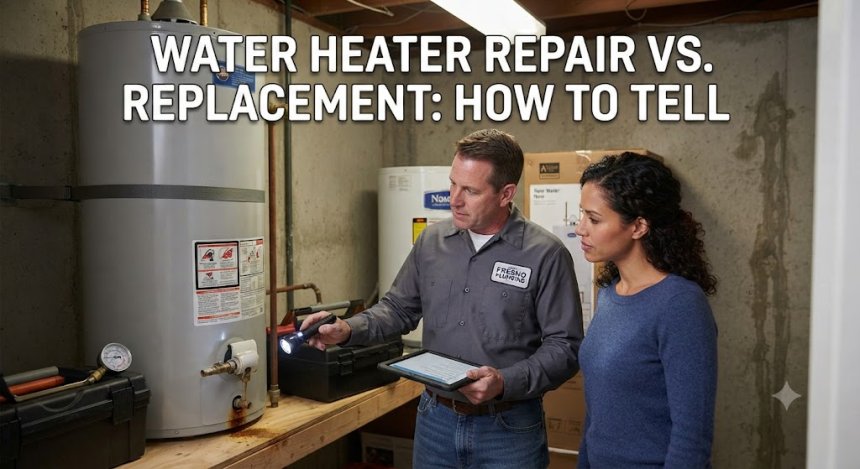
The Hidden Cost of Ignoring a Failing Water Heater
Stepping into a freezing shower on a chilly Central Valley morning is a jolting wake-up call that your home’s hot water supply is failing. Knowing how to tell if your water heater needs repair or replacement can mean the difference between a minor component swap and waking up to a flooded garage or utility room. Homeowners throughout Fresno, from historic bungalows in the Tower District to modern properties in Fig Garden and Sunnyside, rely heavily on consistent hot water for daily comfort and sanitation. Recognizing the early warning signs of tank fatigue or burner failure protects your property from catastrophic water damage and spares you from unexpected cold showers.
Comprehensive Home Plumbing Maintenance Framework
Maximizing the lifespan of your water heating system requires a proactive, structured seasonal maintenance routine:
-
Spring/Summer checks: Inspect the temperature and pressure (T&P) relief valve for proper seating, check exterior venting for obstructions, and verify clear drainage around the pan.
-
Fall/Winter preparation: Flush the tank completely to clear out heavy Central Valley mineral sediment, inspect gas supply connections or electrical breaker panels, and insulate accessible hot water pipes.
-
Year-round habits: Monitor hot water temperature settings to prevent scalding, check for minor moisture pooling at the tank base, and schedule an annual professional anode rod inspection.
Financial Breakdown: Cost Factors & Investment Realities
Deciding whether to sink money into fixing an aging unit or upgrading to a new system involves weighing several variable cost inputs. Flat-rate professional pricing models account for:
-
Diagnostic & dispatch fees: Covers the licensed technician's time, travel, and comprehensive multi-point system testing.
-
Access and code upgrades: Modern building and seismic codes in California may require expansion tanks, earthquake straps, or updated drain pans during a new installation.
-
Equipment type and capacity: Tankless units, hybrid heat pumps, and standard gas or electric tank models carry vastly different equipment and labor investments.
-
Permitting fees: Local municipal permits required for water heater replacements ensure code compliance and protect home resale value.
-
Repair vs. replacement economics: If a tank is over 10 years old and experiencing a tank wall leak, investing in repairs is throwing good money after bad; replacement is always the smarter long-term financial choice.
What Is a Water Heater System? Decoding the Mechanism
A domestic water heater is designed to continuously supply heated water by drawing cold water into a storage tank (or instantly via heat exchangers) and raising its temperature using gas burners or electric elements.
-
The ideal operation: Cold water enters through a dip tube to the bottom of the tank, where it is heated and rises. As you turn on a hot water tap, hot water is drawn from the top outlet pipe.
-
Where failures happen: Over time, sediment settles at the bottom, creating a thermal barrier that overheats the steel tank walls. Simultaneously, sacrificial anode rods deplete, leaving the inner glass lining vulnerable to corrosive water.
-
A Fresno scenario: In a typical Fresno home dealing with high-mineral local water, neglected sediment buildup causes popping noises and localized overheating, eventually cracking the internal glass lining and producing a slow, rust-tinted weep leak.
Professional Diagnostic & Repair Workflow
A licensed, insured plumber evaluates water heater health and executes repairs through a rigorous, safety-compliant methodology:
-
Step 1: Non-Invasive Triage & Safety Isolation: Shut off the gas supply, electrical breaker, or cold water inlet valve to neutralize active hazards.
-
Step 2: Precision Diagnostic Assessment: Test heating element continuity, thermostat calibration, gas control valve output, and structural tank integrity.
-
Step 3: Transparent Options & Written Estimating: Provide clear, flat-rate pricing options comparing targeted component repairs against full system replacement.
-
Step 4: Code-Compliant Remediation & Installation: Replace faulty elements, gas valves, or install a high-efficiency replacement unit meeting all California plumbing and seismic codes.
-
Step 5: System Testing & Final Verification: Fire up the unit, verify proper temperature rise, check for gas or water leaks, and tidy the work area.
Advanced Diagnostics: The Professional Tool Arsenal
Professional technicians deploy heavy-duty diagnostic gear to accurately evaluate water heater performance without guesswork:
-
Digital multimeters: Measure precise electrical resistance and voltage across heating elements and thermostats.
-
Electronic combustion analyzers: Test gas-fired units for safe carbon monoxide emissions and optimal burner efficiency.
-
Thermal imaging cameras: Identify internal insulation breakdowns, hidden tank wall hotspots, or failing thermostatic mixing valves.
-
Pressure test gauges: Measure dynamic water pressure and check for thermal expansion spikes that can rupture storage tanks.
Root Causes: Why Water Heaters Fail in Fresno Homes
Water heater deterioration is heavily influenced by local environmental and structural factors unique to the Central Valley region.
-
Hard water calcification: Fresno's groundwater carries high concentrations of dissolved minerals that rapidly bake into a thick layer of sediment at the bottom of storage tanks.
-
Anode rod depletion: The sacrificial metal rod designed to attract corrosive elements wears down completely within 3 to 5 years in aggressive water conditions, leaving the tank exposed to rust.
-
Thermal expansion pressures: Closed-loop plumbing systems lacking functional expansion tanks force repeated pressure spikes against tank seams during heating cycles.
-
Electrical and gas supply surges: Fluctuations in utility supply or aging home wiring accelerate component burnout on electronic gas controls and elements.
-
Age-related material fatigue: Standard tank heaters naturally reach the end of their structural lifespan after 8 to 12 years of continuous thermal expansion and contraction.
Critical Warning Signs: When Your Home is Sounding the Alarm
Long before a tank completely ruptures, your water heater issues clear sensory alerts signaling imminent failure.
-
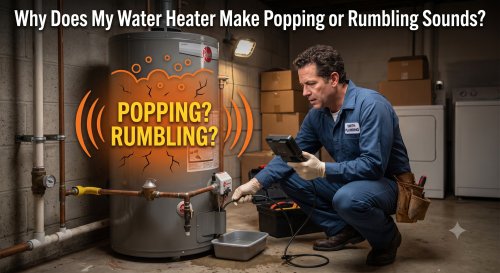
Auditory clues: Rumbling, popping, or banging noises coming from inside the tank indicate trapped water boiling beneath thick mineral sediment layers.
-
Olfactory indicators: A sulfur or rotten-egg odor points to bacterial growth inside the tank or a failing anode rod reacting with water chemistry.
-
Visual red flags: Discolored, rust-tinted water coming exclusively from your hot water taps, or damp pooling around the base of the unit.
-
Cascading risks: Ignoring these symptoms risks sudden catastrophic tank failure, flooding finished living spaces, destroying drywall, and triggering extensive mold remediation.
Unique Expert Insights: Hard Truths Homeowners Learn Too Late
-
Applying temporary epoxy patch kits to a leaking tank wall only masks the failure temporarily and can rupture unexpectedly, voiding home insurance claims.
-
Flushing a water heater for the first time after 10 years of neglect can dislodge large sediment chunks that clog drain valves or damage downstream plumbing fixtures.
-
Unlicensed installations often omit mandatory seismic straps and thermal expansion tanks, creating major code violations that fail during home resale inspections.
-
Enrolling in regular professional maintenance plans costs a fraction of an emergency midnight flood cleanup and flooring replacement.
DIY Reality Check: What You Can Safely Fix vs. When to Step Back
Understanding the boundaries of DIY intervention keeps you safe from severe hazards.
-
Safe homeowner actions: Adjusting the digital or manual thermostat dial, relighting a standing pilot light (on older units), or visually inspecting the surrounding area for leaks.
-
The danger zone: Never attempt to alter gas lines, tinker with high-voltage 240V electrical wiring, or tamper with the sealed combustion chamber yourself.
-
When to call a pro: If you spot active water leaking from the steel tank body, if the T&P relief valve continuously discharges, or if the burner fails to ignite, drop the tools and call a licensed plumber immediately.
Emergency Protocol: When Immediate Dispatch is Non-Negotiable
Certain water heater failures constitute true emergencies requiring 24/7 professional intervention:
-
Catastrophic tank rupture flooding utility rooms, garages, or interior living spaces with gallons of hot water.
-
Active gas leaks or persistent sulfur odors combined with a hissing sound near the appliance supply lines.
-
Electrical short circuits, sparking controls, or smoking wiring harnesses attached to the water heater unit.
-
Total loss of hot water combined with sub-freezing weather or critical sanitation needs in commercial or residential settings.
Frequently Asked Questions (FAQs)
-
How do I know if my water heater can be repaired or must be replaced? If the issue involves a replaceable component like a thermostat, heating element, or thermocouple, repair is viable. If the actual steel storage tank is leaking water, complete replacement is mandatory.
-
What is the average lifespan of a water heater in Fresno? Standard tank water heaters typically last between 8 to 12 years in the Central Valley, heavily depending on water hardness and whether the anode rod was maintained.
-
Why is my hot water discolored or smelling like rust? Rust-colored water usually indicates that the sacrificial anode rod has completely dissolved and internal tank corrosion has begun attacking the steel walls.
-
Can hard water shorten the life of my water heater? Yes. High mineral content causes rapid sediment buildup, which reduces heating efficiency, overheats the metal tank, and accelerates premature failure.
-
What is a T&P relief valve and why is it leaking? The Temperature and Pressure relief safety valve discharges water if internal heat or pressure exceeds safe limits. A leaking valve often points to excessive water pressure or a malfunctioning expansion tank.
-
Is it cheaper to repair an old water heater or buy a new one? If a repair costs more than 50% of the price of a new unit and the heater is over 8 years old, investing in a replacement is much more cost-effective.
-
Should I upgrade from a standard tank to a tankless water heater? Tankless units offer endless hot water and energy savings, but they require proper gas line sizing and electrical adjustments, making professional evaluation essential.
-
Why does my water heater make a loud rumbling sound when heating? The rumbling noise is caused by water trapped beneath hardened layers of mineral sediment boiling and bubbling inside the bottom of the tank.