How to Winterize and Drain a Fresno Vacation Home Plumbing
Learn how to properly drain and winterize a vacation home plumbing system in the Fresno area to prevent frozen, burst pipes during cold winter periods.

Protecting Your Fresno Vacation Home from Winter Freezes
While Fresno and the Central Valley are known for long, hot summers, winter temperatures can occasionally dip below freezing, particularly during overnight hours in outlying rural areas, foothill communities, or shaded residential properties. If you own a vacation home, rental property, or seasonal residence in or around Fresno that remains unoccupied during the colder months, stagnant water inside your plumbing system is at risk of freezing. When water freezes inside a closed pipe, it expands with immense hydraulic force, frequently causing copper, PEX, or galvanized steel pipes to crack, split, or burst. Proper winterization and complete drainage remove the water hazard entirely, preventing catastrophic water damage before you lock up for the season.
The Core Plumbing Mechanics of Freezing Pipes
Pipes do not necessarily burst because the ice inside them melts; they burst because ice formation creates a localized blockage. As water turns to ice, it expands by approximately nine percent. If water is trapped between a closed faucet and a frozen section of pipe, the expanding ice exerts extreme pressure on the pipe walls. When that pressure exceeds the structural limits of the material, the pipe fails.
In vacation homes, the most vulnerable components include:
- Outdoor Hose Bibs and Spigots: Exposed exterior fixtures that catch early morning frost.
- Supply Lines in Unconditioned Spaces: Pipes running through crawlspaces, unheated garages, exterior walls, or uninsulated attics.
- Water Heaters: Tanks holding standing water that can crack or sustain internal element damage if sub-freezing temperatures penetrate the utility closet or garage.
- Fixture Traps and Toilet Tanks: P-traps under sinks and the water reservoirs of toilets that hold residual water even after supply lines are cleared.
Step-by-Step Guide to Draining and Winterizing
Safely preparing a vacant property requires a systematic approach. Missing a single low point or leaving water trapped in an appliance can lead to localized leaks.
1. Shut Off the Main Water Supply
Locate the primary water shutoff valve for the property. This is typically found near the water meter box at the property line, inside the garage, or near the main entry point of the water service line. Turn the valve completely clockwise to the closed position. If the property relies on a private well system in outlying areas near the Fresno foothills, shut off the power to the well pump at the electrical panel in addition to closing the main supply valve.
2. Open All Interior and Exterior Faucets
Open every hot and cold water faucet in the home, including kitchen sinks, bathroom vanities, showers, tubs, and laundry utility sinks. Opening these fixtures breaks the vacuum in the plumbing network, allowing gravity to pull standing water down toward the lowest points of the system. Do not forget to open outdoor hose bibs and leave them in the open position.
3. Flush and Drain Toilets
Flush all toilets to empty the tanks as much as possible. Because gravity cannot empty the water trapped inside the toilet bowl trap (which prevents sewer gases from entering the home), you must use a sponge or wet/dry shop vacuum to remove the remaining water from both the tank and the bowl. Alternatively, pour a non-toxic RV antifreeze into the remaining bowl water to prevent freezing and evaporation.
4. Drain the Water Heater
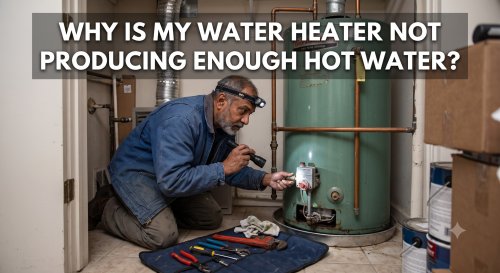
Turn off the power supply to electric water heaters at the breaker panel or switch the gas control valve to the "Pilot" or "Off" position. Connect a garden hose to the drain valve located at the bottom of the water heater tank and run the other end to a safe floor drain, sump pump, or outside away from the foundation. Open the temperature and pressure relief (T&P) valve and the tank drain valve to let the tank empty completely. If your water heater is a tankless model, follow the manufacturer's specific procedure for isolating and purging internal water lines using compressed air if necessary.
5. Clear Residual Water and Protect Drains
Even after opening all faucets, residual water often pools in horizontal pipe runs, valve bodies, and appliance supply hoses (such as those connected to washing machines and refrigerators). Many professional plumbers use low-pressure compressed air connected to a drained hose bib to safely blow out remaining moisture from the system. Finally, pour RV-safe antifreeze (propylene glycol) into all sink P-traps, floor drains, and shower drains to protect the trap seals from evaporating or freezing.
Overlooked Details and Common Winterization Mistakes
Homeowners often assume that simply turning off the main water valve is sufficient to protect a vacant property. However, a pressurized system with closed faucets still holds water against exterior walls where freezing temperatures strike hardest.
Frequently Asked Questions
Frequently Asked Questions
Should I turn off the heat completely in a Fresno vacation home during winter?
It is generally safer to leave the heating system set to a low, continuous temperature—such as 50 to 55 degrees Fahrenheit—rather than shutting it off entirely, provided the entire plumbing system has not been completely drained and winterized. If you drain the plumbing system down to dry pipes, turning off the heat is acceptable.
Can I rely on pipe insulation alone for an unoccupied winter home?
Pipe insulation slows down the rate at which a pipe reaches freezing temperatures, but it does not stop freezing if a home remains unheated during extended sub-freezing weather. Insulation is best used as a supplemental defense rather than a standalone solution for vacant properties.
How do I know if all the water has been successfully removed from my pipes?
The only way to confirm absolute removal is to ensure all high and low faucets are left open, the main supply is verified off, and low-point drain valves (if installed) have discharged completely. For absolute security, professional compressed air blowout ensures hidden pockets of water are forced out.
Is RV antifreeze safe to leave in household plumbing traps?
Yes. Non-toxic RV and marine antifreeze (propylene glycol) is specifically formulated for winterizing potable water systems and residential drain traps. It remains liquid below freezing temperatures and washes safely down the drain when you reopen the system.
What is the proper procedure for turning the water back on in the spring?
Keep all faucets open, ensure drain valves are closed, and very slowly open the main water supply valve. Let air escape through the open faucets until a steady stream of water flows, then close the faucets one by one while checking all joints and fixtures for leaks caused by seasonal shifting or winter stress.