How to Fix a Clogged Drain Without Drain Cleaner
Learn safe, chemical-free ways to fix a clogged drain, protect your pipes, and know when to call a professional plumber in Fresno.
The Hidden Danger of Chemical Drain Openers
Standing in a bathroom with water pooling around your ankles while brushing your teeth is an immediate source of household frustration. Many property owners instantly reach for harsh store-bought chemicals, but wondering how to fix a clogged drain without drain cleaner is a smarter, safer path for your plumbing infrastructure. Homeowners throughout Fresno—from historic properties near the Tower District to family residences in Woodward Park—frequently battle stubborn hair, soap scum, and kitchen grease clogs. Skipping corrosive chemical liquids protects your pipes from premature failure and keeps your family safe from toxic fumes.
What Is a Drainage Flow System? Decoding the Mechanism
A home drainage network relies on gravity, smooth interior pipe walls, and proper venting to carry wastewater away from sinks, showers, and tubs smoothly.
-
The ideal operation: Water and organic waste slide down vertical tailpieces, pass through a water-sealed P-trap, and descend through branch lines into the main sewer stack.
-
Where failures happen: Hair, congealed oils, and mineral scale snag on microscopic imperfections inside older pipe walls, slowly compounding into a dense obstruction that chokes off water flow.
-
A Fresno scenario: Consider a busy family home in Fig Garden where daily hair shedding combined with hard water minerals gradually forms a compacted mass inside the bathroom lavatory cross-bar and pop-up assembly.
Root Causes: Why Clogs Form in Fresno Homes
Drain blockages are rarely isolated incidents; they stem from physical, chemical, and environmental factors specific to Central Valley living.
-
Hard water mineral scaling: Fresno's mineral-rich water precipitates calcium carbonate inside drain bends, catching soap residue and creating cement-like blockages.
-
Aging pipe infrastructure: Older homes featuring cast iron waste lines develop internal oxidation and scaling, drastically narrowing the functional internal diameter.
-
Grease and oil accumulation: Kitchen sink lines collect cooling cooking oils that solidify against pipe walls, acting as a sticky net for food particles.
-
Foreign object intrusion: Accidental slips of jewelry, cotton swabs, or children's toys wedge tightly into tight P-trap curves.
-
Material degradation: Years of thermal expansion and physical wear cause internal pipe joints to shift and catch debris.
Critical Warning Signs: When Your Home is Sounding the Alarm
Long before a drain stops accepting water entirely, your plumbing system emits subtle red flags.
-
Auditory clues: Listen for distinct gurgling sounds in the toilet or bathtub when your washing machine drains, or slow, sluggish emptying accompanied by a subtle gulping noise.
-
Olfactory indicators: Unpleasant mold, mildew, or decaying organic matter odors rising from slow sink or shower drains.
-
Structural red flags: Simultaneous backups in multiple fixtures, such as water pushing up into the shower pan when the kitchen sink runs.
-
Cascading risks: Ignoring these alerts can lead to raw sewage overflows, ruined flooring, and expensive localized water damage.
Professional Diagnostic & Repair Workflow
A licensed, insured plumber clears tough blockages using a methodical, safety-compliant workflow:
-
Step 1: Non-Invasive Triage & Safety Isolation: Assess the affected fixture, place containment protection down, and ensure no hazardous chemical residues are standing in the basin.
-
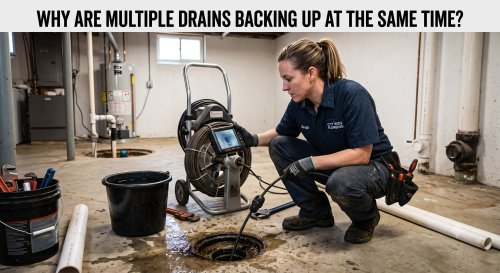
Step 2: Precision Diagnostic & Digital Inspection: Utilize high-definition drain cameras to inspect branch lines and identify the exact nature and location of the obstruction.
-
Step 3: Transparent, Upfront Options & Estimating: Provide clear, flat-rate pricing options for mechanical clearing or targeted hydro-cleaning before beginning work.
-
Step 4: Code-Compliant Remediation: Clear the blockage using professional mechanical augers or high-pressure water jetting without damaging pipe walls.
-
Step 5: Flow Verification & Sanitation: Test water flow under maximum pressure, verify proper drainage speeds, and leave the workspace spotless.
Advanced Diagnostics: The Professional Tool Arsenal
Professional technicians rely on heavy-duty equipment to resolve deep blockages efficiently and accurately:
-
Push-rod high-definition drain cameras: Provide a crystal-clear digital view deep inside waste lines to spot root intrusions, broken fittings, or compacted sludge.
-
Hydro-jetting high-pressure cleaning units: Blasts away grease, scale, and heavy obstructions using water pressurized up to 4,000 PSI to scour pipes back to bare metal.
-
Commercial sectional drain snakes: Flexible, heavy-duty steel cables equipped with specialized cutting heads to slice through tough tree roots and stubborn calcified blockages.
-
Electronic pipe locators: Pinpoint the exact surface location and depth of underground or in-wall blockages for precise, non-destructive access.
DIY Reality Check: What You Can Safely Fix vs. When to Step Back
Knowing the limits of DIY intervention prevents minor clogs from turning into structural disasters.
-
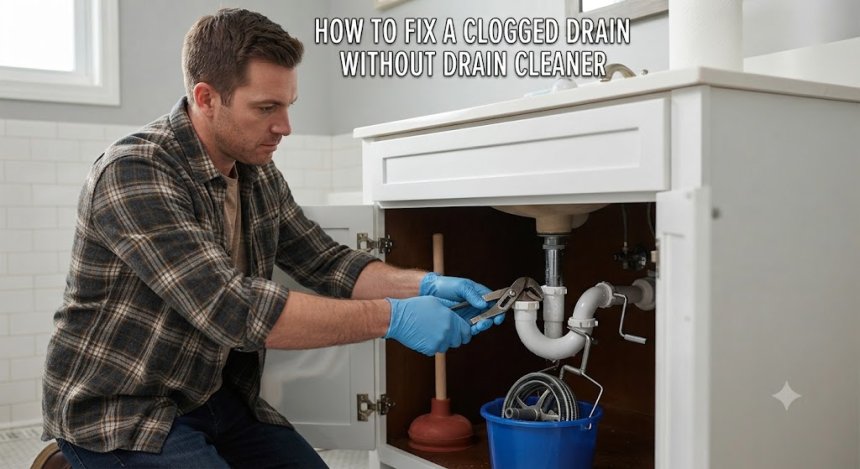
Safe homeowner actions: Using a flange plunger, manually removing and cleaning out the P-trap with a bucket underneath, or using a basic quarter-inch hand crank auger.
-
The danger zone: Never mix different chemical drain cleaners or force rigid steel snakes through delicate, old brass or PVC slip joints with excessive torque.
-
When to call a pro: If multiple drains back up simultaneously, if mechanical snaking fails to restore flow, or if you suspect a broken main sewer line, drop the tools and call a licensed plumber.
Financial Breakdown: Cost Factors & Investment Realities
Professional drain clearing costs vary based on accessibility, severity, and the technology required. Flat-rate pricing models account for:
-
Diagnostic and dispatch fees: Covers travel time, vehicle stock, and initial problem assessment by a certified technician.
-
Specialty equipment deployment: Using high-pressure hydro-jetters or digital video cameras for deep main-line obstructions.
-
Accessibility challenges: Hard-to-reach cleanouts, multi-story stack blockages, or tight crawlspaces requiring extra labor.
-
Pipe material and condition: Clearing fragile historic cast iron requires specialized care compared to durable modern PVC.
-
Repair vs. total line replacement: If a drain line has collapsed or broken due to root intrusion, spot repairs or trenchless lining replace temporary clearing.
Unique Expert Insights: Hard Truths Homeowners Learn Too Late
-
Pouring chemical liquid drain openers down a slow drain corrodes metal pipe walls from the inside out and causes severe chemical splashes if you have to plunge later.
-
Temporary tape or quick-patch kits on leaking drain lines mask structural failures and can void home insurance coverage.
-
Unlicensed handymen frequently assemble P-traps backward or omit slip-joint washers, creating hidden code violations that fail during real estate inspections.
-
Enrolling in regular professional maintenance plans costs a fraction of a single emergency midnight mainline backup cleanup.
Comprehensive Home Plumbing Maintenance Framework
Maintain clear, free-flowing drains year-round by adopting a structured seasonal maintenance routine:
-
Spring/Summer checks: Inspect outdoor drain grates, test utility room floor drains, and clear out yard debris near cleanout caps.
-
Fall/Winter preparation: Flush kitchen lines with hot water and baking soda to mitigate grease buildup before heavy holiday cooking seasons.
-
Year-round habits: Use physical mesh drain strainers in every sink and shower, avoid flushing wipes or hygiene products, and never pour cooking grease down drains.
Emergency Protocol: When Immediate Dispatch is Non-Negotiable
Certain drain and sewer failures require an immediate 24/7 professional emergency response:
-
Catastrophic main sewer line backups forcing raw sewage up through basement floor drains and living area fixtures.
-
Complete loss of home drainage where every fixture in the house refuses to empty.
-
Active sewage flooding coming into contact with electrical outlets or baseboard heating units.
-
Structural pipe collapses that compromise the sanitary safety of your living space.
Frequently Asked Questions (FAQs)
-
How can I unclog a drain safely without using chemicals? You can clear minor clogs safely by using a manual flange plunger, removing and cleaning the P-trap underneath the sink, or using a hand-crank drum auger.
-
Does boiling water actually clear a clogged kitchen sink? Boiling water can melt and wash away minor soap and grease buildup in metal pipes, but it is ineffective against hair clogs and can crack older PVC pipes if thermal shock occurs.
-
Can Fresno's hard water cause my drains to slow down? Yes. Mineral scale buildup combined with soap scum creates a rough interior coating inside pipes where hair and debris easily snag.
-
Is it safe to use a wire coat hanger to clear a drain? It is risky. A wire hanger can easily slip past the clog, scratch or puncture older plastic pipes, or get stuck permanently inside the P-trap curve.
-
Why do multiple drains in my house gurgle at the same time? Simultaneous gurgling usually indicates a blocked main sewer vent stack or a developing blockage in your home's primary sewer line.
-
How often should I have my main drain lines professionally cleaned? Homes with mature trees or high daily usage benefit from professional hydro-jetting or rooter service every 1 to 2 years to prevent sudden backups.
-
What should I do if plunging a toilet makes the bathtub overflow? Stop plunging immediately. This cross-connection proves you have a main sewer line blockage requiring professional mechanical clearing.
-
Are enzyme-based drain cleaners safe for my plumbing? Yes. Unlike caustic chemical cleaners, natural bacterial and enzyme treatments digest organic waste slowly without damaging pipe walls or seals.
Why Fresno Homeowners Trust Plumber in Fresno
When stubborn clogs disrupt your daily routine, you need a dependable local expert who combines technical mastery with transparent, honest service. Plumber in Fresno delivers exceptional results built on years of hands-on field experience throughout Fresno, Clovis, Madera, and surrounding Central Valley neighborhoods. Our fully licensed, background-checked technicians arrive equipped with advanced diagnostic gear to resolve your plumbing challenges correctly the first time. We maintain upfront, flat-rate pricing with zero hidden surprises, backed by solid workmanship warranties that give you complete peace of mind.