Year-Round Central Valley Residential Plumbing Maintenance Guide
Learn practical year-round plumbing maintenance tips for Central Valley and Fresno homes, from hard water care to seasonal freeze and heat protection.
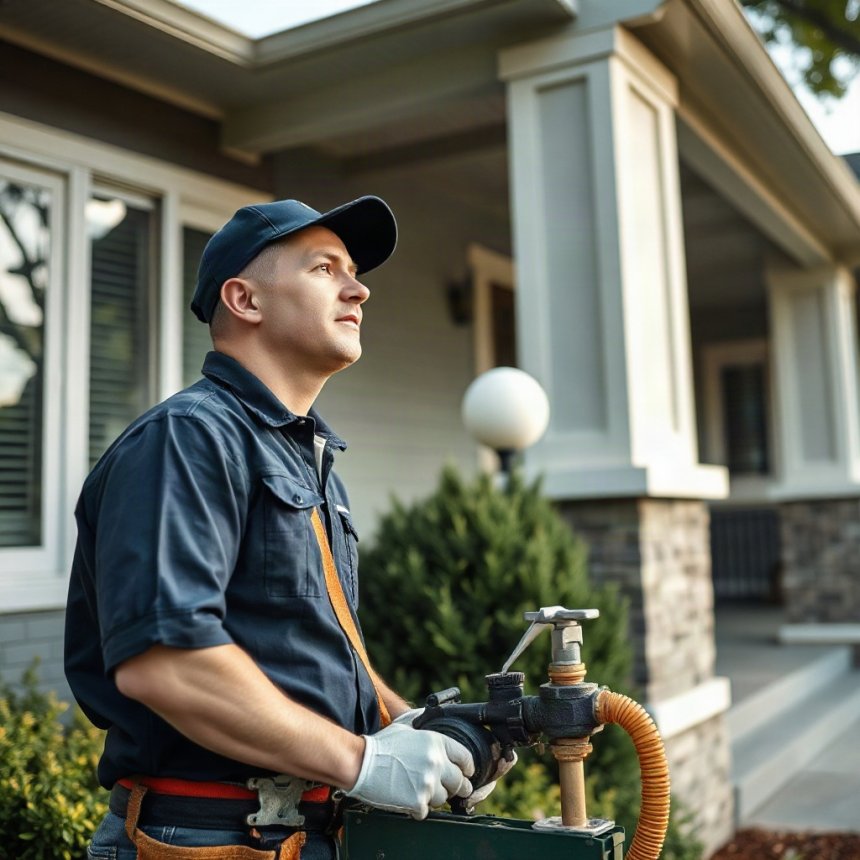
Keeping Your Central Valley Plumbing System Running Smoothly Year-Round
Maintaining a residential plumbing system in Fresno and the broader Central Valley requires adapting to distinct regional environmental factors. From mineral-heavy local water supplies to wide temperature swings between scorching summer afternoons and chilly winter mornings, local plumbing components experience unique environmental stress. A structured year-round maintenance routine helps prevent unexpected failures, protects water-using appliances, and extends the operational life of supply lines, drains, and fixtures.
Rather than waiting for a pipe leak, a backed-up sewer line, or a failing water heater, proactive maintenance focuses on predictable seasonal vulnerabilities. Understanding what to inspect, when to clean components, and how regional conditions affect your pipes allows homeowners, landlords, and property managers to address minor wear before it turns into an expensive emergency.
Understanding Central Valley Environmental Impacts on Plumbing
Residential plumbing systems in Fresno contend with specific local challenges that dictate maintenance priorities. Two primary factors shape how quickly fixtures and pipes wear out: mineral content in the water supply and fluctuating ambient temperatures.
- Hard Water Mineral Accumulation: Groundwater sources across the Central Valley often carry elevated levels of dissolved minerals, primarily calcium and magnesium. As water passes through water heaters, showerheads, aerators, and valves, these minerals precipitate out of solution and form hard, chalky scale deposits.
- Thermal Expansion and Contraction: Summer temperatures in Fresno frequently exceed 100°F, while winter nights can drop near or below freezing. Exposed outdoor plumbing, irrigation backflow preventers, and uninsulated pipes in garages or crawlspaces experience material stress as temperatures shift dramatically throughout the year.
Recognizing these conditions helps clarify why a standard national plumbing maintenance checklist may not be sufficient for a Central Valley property, whether you live in an established neighborhood like Old Fig Garden or a newer build in Woodward Park.
Spring and Summer Plumbing Care
As warm weather arrives in the Central Valley, outdoor water use increases significantly, and indoor cooling systems begin generating condensate. Spring and summer maintenance should focus on outdoor faucets, irrigation connections, and drainage pathways.
- Inspect Outdoor Hose Bibs: Test exterior hose bibs for smooth operation and check for leaks behind handles or around anti-siphon vacuum breakers. Winter weather or general wear can cause internal washers to degrade, leading to silent leaks that waste water outdoors.
- Manage Irrigation Backflow and Supply Lines: Check landscape irrigation connections and valves for leaks or weeping joints. High summer water pressure combined with sun exposure can degrade exposed polyethylene or PVC supply lines above ground.
- Clear Air Conditioner Condensate Drains: Central air conditioning systems pull substantial humidity out of indoor air during Fresno summers, routing the water through condensate drain lines. Pour a small amount of warm water mixed with white vinegar down the condensate line cleanout port monthly during peak cooling season to prevent algae and slime blockages from backing up into utility areas.
Fall and Winter Preparation
Although Central Valley winters are generally mild compared to northern climates, freezing temperatures do occur on clear winter nights, particularly in outlying areas or rural properties. Preparing your plumbing for cooler weather minimizes the risk of sudden pipe bursts.
- Protect Exposed Exterior Pipes: Wrap exposed hose bibs, above-ground backflow preventers, and supply pipes located in uninsulated crawlspaces or exterior garage walls with foam pipe insulation sleeves before overnight freezes arrive.
- Flush Water Heater Sediment: Heavy mineral content causes sediment to settle at the bottom of tank-type water heaters. Flushing the tank annually in the fall removes this buildup, improving energy efficiency, preventing rumbling noises, and extending the life of the heating elements or burner assembly.
- Test Emergency Shutoff Valves: Locate your main water shutoff valve and test it to ensure it operates smoothly and completely stops water flow. In an emergency, such as a ruptured irrigation line or an indoor supply leak, every second counts, and a stuck valve will delay mitigation.
Routine Indoor Maintenance Tasks
Indoor plumbing fixtures require regular attention regardless of the season. Establishing a semi-annual schedule for these tasks prevents restricted flow and premature fixture failure.
- Clean Aerators and Showerheads: Unscrew faucet aerators and showerheads twice a year. Soak them in a mild descaling solution to dissolve hard water mineral deposits that restrict water flow and cause irregular spray patterns.
- Inspect Under-Sink Supply Lines: Examine flexible braided supply lines beneath kitchen and bathroom sinks for signs of bulging, corrosion, weeping, or fraying rubber cores. Flexible lines have a limited lifespan and should be replaced proactively every five to ten years.
- Monitor Toilet Mechanisms: Remove toilet tank lids periodically to inspect flappers, fill valves, and flush chains. A silent flapper leak wastes hundreds of gallons of water daily and constantly cycles the fill valve, increasing utility costs.
Frequently Asked Questions
How often should I flush my water heater in the Central Valley?
Because of the mineral composition of local water, tank-type water heaters should be flushed at least once a year. Homes with particularly heavy water hardness or high daily hot water consumption may benefit from a semi-annual flush to keep sediment accumulation under control and maintain heating efficiency.
Do Fresno homes really need freeze protection for pipes?
Yes. While daytime winter temperatures in the Central Valley are comfortable, overnight lows frequently drop below freezing during December and January. Uninsulated outdoor hose bibs, irrigation manifolds, and pipes running through unconditioned garage walls are vulnerable to freezing and splitting if left unprotected.
What is the best way to deal with hard water scale on plumbing fixtures?
The most effective non-destructive method for removing scale from faucet aerators and showerheads is soaking them in a warm vinegar solution for a few hours. Avoid using harsh metal scrapers or aggressive chemical cleaners that can scratch or corrode protective chrome, brass, or nickel finishes on high-end plumbing fixtures.
How can I tell if my toilet has a silent leak?
Add a few drops of dark food coloring to the water inside your toilet tank. Wait about 10 to 15 minutes without flushing. If colored water appears in the toilet bowl, your tank flapper is not sealing properly and allows water to continuously drain into the sewer, requiring replacement.
Should homeowners attempt to service their own main water shutoff valve?
Homeowners can gently test a main shutoff valve by turning it a quarter-turn to ensure it moves, but forcing an old, corroded gate valve can snap the internal stem and cause an active leak. If a main valve is stiff, leaking around the packing nut, or failing to shut off completely, schedule a professional plumber to evaluate or replace it safely.