How to Use a Plunger on a Clogged Toilet
Learn how to use a plunger correctly on a clogged toilet with expert tips from Plumber in Fresno. Clear blockages safely and prevent overflows.
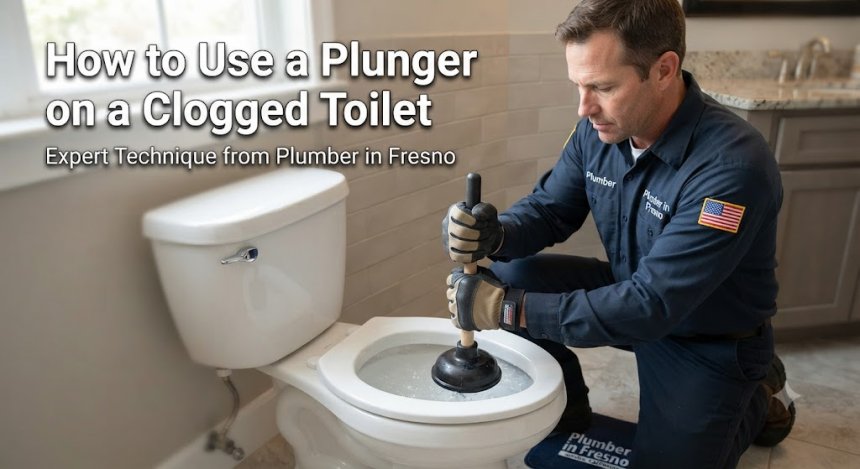
The Panic of an Overflowing Bathroom Fixture
Standing helpless as water rises perilously close to the rim of your bathroom bowl is a heart-stopping moment for any property owner. Mastering how to use a plunger correctly on a clogged toilet is an essential household skill that separates a quick, tidy fix from a messy, expensive bathroom flood. Homeowners across Fresno frequently encounter sudden toilet blockages driven by excessive paper use, non-flushable items, or mineral scaling inside older traps. When a bowl fails to drain, immediate and correct physical intervention is required before waste spills onto your flooring. At Plumber in Fresno, our licensed technicians educate Central Valley residents on proper mechanical clearing techniques so you can handle minor clogs safely and recognize when a deep-seated sewer obstruction demands professional horsepower.
Critical Warning Signs: When Your Home is Sounding the Alarm
A stubborn toilet clog is often a symptom of broader, developing issues hidden within your home's drainage network.
-
Unexplained Water Meter Spikes: If your water meter creeps upward when no indoor fixtures are running, an underground waste line break could be interacting with your drainage flow.
-
Auditory Clues: Hearing a distinct gurgling sound in your bathtub or bathroom sink whenever you flush the toilet points to a heavy vent blockage or a main sewer line choke.
-
Olfactory Indicators: Persistent sewer gas odors wafting around bathroom floors or near foundation vents signal that trap seals are being pulled dry by negative pressure or structural venting failures.
-
Cascading Structural Risks: Delaying proper clog clearance causes repeated overflow events that saturate subfloors, rot wooden framing, and trigger aggressive black mold colonies.
What Is Correct Plunging? Decoding the Mechanism
Clearing a toilet obstruction relies on fluid dynamics and pneumatic pressure rather than brute force.
-
The Ideal Mechanism: A specialized flange plunger creates an airtight seal inside the toilet trapway, allowing you to push and pull water columns directly against the blockage to dislodge it.
-
The Breakdown: When a flat cup plunger is mistakenly used on a contoured toilet bowl, it fails to form a proper seal, resulting in splashing dirty water instead of applying hydraulic pressure to the clog.
-
Real-World Fresno Scenario: Imagine preparing for an evening in your Fig Garden home, only to watch your guest bathroom toilet back up because a thick wad of paper towels jammed tightly inside the narrow S-trap curve.
Root Causes: Why This Problem Occurs in Fresno Homes
Plumbing waste systems in the Central Valley face unique environmental and structural challenges that influence how materials move through drainage pipes.
-
Hard Water Mineral Buildup: Fresno's mineral-rich water leaves calcium scaling inside older cast iron and clay sewer pipes, creating rough interior surfaces where paper and waste catch easily.
-
Aging Infrastructure: Many established Fresno neighborhoods feature older, bell-and-spigot cast iron sewer lines that have corroded or sagged, creating natural catching points for debris.
-
Improper Flushing Habits: Flushing "flushable" wipes, paper towels, hygiene products, or cotton balls introduces materials that do not break down like standard toilet paper.
-
Tree Root Intrusion: Fast-growing roots from Central Valley landscape trees routinely infiltrate microscopic cracks in underground lateral sewer lines, catching toilet waste in a web of roots.
-
Low-Flow Water Volume: Older low-flow toilet designs sometimes lack the dynamic momentum needed to carry heavy loads through long, horizontal house drains.
Professional Diagnostic & Repair Workflow
When a severe blockage resists standard plunging and threatens your home, licensed professionals execute a methodical triage workflow.
-
Step 1: Non-Invasive Triage & Safety Isolation: We assess the entire bathroom group to verify whether the issue is isolated to a single toilet or tied to a main drainage blockage.
-
Step 2: Precision Diagnostic & Digital Video Inspection: We deploy high-definition push-rod cameras directly into the toilet trap and main waste line to visually locate the exact obstruction.
-
Step 3: Transparent, Upfront Options & Written Estimating: We provide clear, flat-rate pricing options detailing whether an auger snake, mechanical rodding, or hydro-jetting is required.
-
Step 4: Code-Compliant Remediation & Part Replacement: We clear the obstruction using professional-grade clearing gear and inspect the wax ring and floor flange for leaks.
-
Step 5: Pressure Testing, Flow Verification, & Clean: We conduct multiple test flushes to ensure optimal flow velocity, sanitize our work area, and verify system integrity.
Advanced Diagnostics: The Professional Tool Arsenal
Professional plumbing relies on industrial-grade mechanical equipment to clear stubborn blockages safely without damaging fixtures.
-
Heavy-Duty Closet Augers (Toilet Snakes): Feature a protective rubber guard to protect porcelain bowls while extending a flexible steel cable deep into the trap to break apart dense blockages.
-
Push-Rod High-Definition Drain Cameras: Provide real-time video feeds of pipe interiors, revealing structural offsets, root intrusions, or broken line segments.
-
Hydro-Jetting High-Pressure Cleaning Units: Deliver high-velocity water streams to scour grease, scale, and organic buildup completely clean from pipe walls.
-
Electronic Pipe Locators: Map the exact depth and path of underground sewer lines from above ground to pinpoint outdoor blockages accurately.
DIY Reality Check: What You Can Safely Fix vs. When to Step Back
-
Safe Homeowner Actions: Using a rubber flange plunger with a folding flap, pouring warm water into the bowl to help soften organic clogs, or using a hand-crank toilet auger carefully.
-
The Danger Zone: Using harsh chemical drain openers after a plunger fails, as standing chemical-laced water can splash back dangerously or ruin porcelain finishes.
-
When to Call a Professional: If multiple fixtures begin backing up simultaneously, or if plunging and basic snaking fail to restore normal drainage within minutes.
Financial Breakdown: Cost Factors & Investment Realities
Understanding the financial structure of plumbing services helps homeowners budget effectively for unexpected household maintenance. Plumbing repair costs vary depending on the severity of the problem, accessibility, materials required, emergency service, property type, and local labor rates.
-
Diagnostic and Service Call Fees: Covering rapid technician dispatch and precise troubleshooting to locate the blockage source.
-
Specialty Equipment Deployment: Utilizing commercial augers or high-definition sewer cameras for complex main line obstructions.
-
Material Quality: Replacing damaged wax rings, rusted flange bolts, or cracked toilet supply lines with commercial-grade components.
-
Permitting Requirements: Necessary municipal fees if exterior cleanout installations or lateral line repairs become mandatory.
-
Repair vs. Total Fixture Replacement: Evaluating whether clearing an old trap is more cost-effective than installing a modern, high-efficiency toilet system.
Unique Expert Insights: Hard Truths Homeowners Learn Too Late
-
Temporary patch kits mask deeper system failures and void home insurance clauses. Slapping a quick fix on a chronic drainage or leak issue often ignores structural decay, leaving you unprotected if a major pipe failure occurs.
-
Chemical drain cleaners corrode pipe walls from the inside out. Pouring harsh chemical solutions down household drains to clear sluggish flow generates intense heat that melts PVC and eats away at metal joints.
-
Unlicensed handymen often create hidden code violations that fail during real estate home inspections. Hiring unqualified help for plumbing modifications frequently leads to cross-connections or improper venting that surfaces painfully when you try to sell your home.
-
Preventive maintenance plans cost a fraction of a single emergency midnight extraction. Scheduling routine evaluations prevents catastrophic pipe blowouts that require expensive structural drying and remediation.
Comprehensive Home Plumbing Maintenance Framework
Proactive upkeep keeps your drainage and waste lines flowing smoothly across every season of the year.
-
Spring/Summer Checks: Inspect outdoor cleanout caps, test main drainage flow after heavy landscaping work, and ensure proper property grading.
-
Fall/Winter Preparation: Keep outdoor vents clear of fallen leaves and debris, and monitor indoor fixtures for sluggish draining speeds.
-
Year-Round Habits: Educate family members on flushing only human waste and toilet paper, use hair catchers in showers, and avoid chemical clog removers.
Emergency Protocol: When Immediate Dispatch is Non-Negotiable
Certain plumbing scenarios demand an immediate emergency call to prevent extensive property destruction.
-
Catastrophic Overflowing Toilets: When waste water continues pouring onto bathroom floors despite shutting off the local water supply valve.
-
Complete Main Sewer Line Backups: Multiple home fixtures (toilets, showers, and sinks) backing up with raw sewage simultaneously.
-
Severe Structural Flooding: Standing water threatening electrical outlets, baseboard heaters, or finished living spaces.
-
Total Loss of Drainage Function: Inability to use any plumbing facility in the home due to a main outlet blockage.
Frequently Asked Questions (FAQs)
-
What is the difference between a cup plunger and a flange plunger? A cup plunger is designed for flat surfaces like sinks, while a flange plunger features an extended rubber flap that creates an airtight seal inside toilet bowl traps.
-
How much does professional drain cleaning cost? Service costs vary depending on the depth and severity of the blockage and whether specialized equipment like hydro-jetting is required.
-
Can a clogged toilet damage your pipes? Yes, excessive pressure from improper plunging or corrosive chemical cleaners can crack older pipe joints and damage plumbing connections over time.
-
Is hydro jetting safe for old pipes? An experienced plumber must inspect pipe wall thickness first, as high-pressure water can damage fragile historic or heavily corroded lines.
-
How do I know if my main sewer line is broken? Warning signs include multiple backed-up drains, gurgling toilets when washing machines run, and foul odors or soggy spots in your yard.
-
How long do toilets typically last? Ceramic toilet bowls can last for decades, but internal fill and flush mechanisms usually require replacement every 5 to 8 years.
-
Why does my toilet bubble when the shower runs? Bubbling indicates a blocked plumbing vent stack, which traps air in the drainage system and forces it out through toilet water traps.
-
What causes frequent toilet clogs? Frequent clogs are usually caused by flushing non-degradable items, low-flow flush volume issues, or an underlying obstruction in the main sewer line.
-
Can plumbing leaks increase my water bill? Yes, a running toilet or silent flapper leak can waste hundreds of gallons daily, driving up your utility expenses significantly.
-
When should I replace a toilet instead of repairing it? Persistent leaks around the base, hairline cracks in the porcelain, or frequent internal failures indicate that a new installation is the best option.